
When planning a trip to Nan’ao Island, the most common mistake is equating arrival on the island with the start of a vacation. After crossing the bridge, there are still trips to be made—from the entrance to your lodging, from your lodging to the bay, and back from photo spots. Some people spend the entire bus ride gazing at the sea but only stop at one location; others drive to many places, yet the driver never has time to sit by the shore. These differences are best discussed before the trip; your mode of transportation should support the kind of day you want to spend.
小红书作者马驭又又又记录了公交进岛和岛内移动,因为出发较晚、路线调整及时间限制,只选择了一部分地点。流浪地球的另一篇笔记围绕自驾和青澳湾住宿。两种真实叙述提供不同需求,具体班次、费用和当时路况不沿用为当前信息。以下以官方交通与海湾资料为框架,给出可讨论的路线组合。
First decision: Which stretch of coastline to stop at today
It’s more useful to choose a main destination first rather than listing every attraction. If you want to sit near the beach and watch the sea, you can make the Qing’ao Bay area your main route; if you want to see coastal facilities and varied terrain, you can choose a publicly accessible lighthouse observation point and combine it with a stretch of the seashore; if you’re interested in island life, you can plan your itinerary around dining in the town center and taking short walks. Depending on your goals, the optimal number of trips will vary.
The Ministry of Ecology and Environment’s case study on Qing’ao Bay locates it at the eastern end of Nan’ao Island and documents projects such as bay restoration, vegetation, seaside facilities, and the “Gateway to Nature.” This offers a framework for understanding the area: beach scenery, conservation, maintenance, and public spaces collectively shape the visitor experience. The historical monitoring data cited in the article does not reflect the actual water conditions on any given day; activities such as boating and swimming should still be based on on-site management guidelines and weather conditions.
If you simply want to linger leisurely in one place, circling the island isn’t a must. Dining by the sea, taking a stroll along designated walking areas, and observing the shoreline and hillsides can easily fill an entire day. Conversely, if you have specific interests in different coastal areas, flexibility in transportation becomes more important. Breaking down what you want to see into three specific activities makes it easier to plan your itinerary than simply listing “the island’s highlights.”
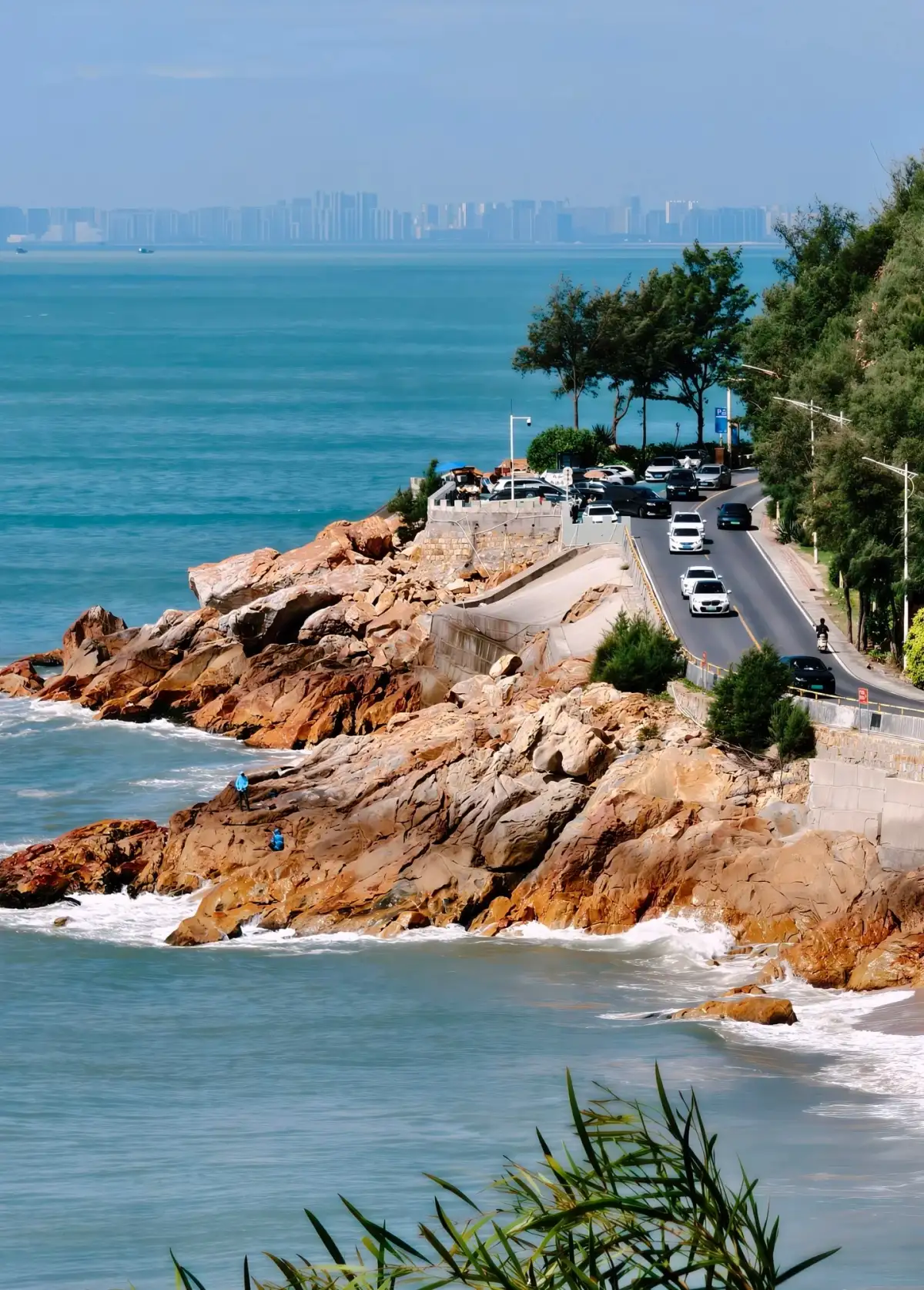
The coastal highway and rocky outcrops on Nan’ao Island. Photo:The Wandering Earth 📸 · Original Post.
Public Transportation: For those willing to plan around bus schedules
Public transportation is suitable for travelers who can tolerate some waiting time, have minimal luggage, and are willing to focus on visiting one or two main attractions. Another benefit is the opportunity to observe the bridge and the coastline during the ride, and no one needs to handle the driving for the entire trip. Before departing, check the actual ferry schedules and island services, and identify the departure station, transfer points, and return route. A personal travel log can serve as a reminder for these details, but it cannot replace up-to-date information on current schedules and routes.
When using public transportation, the most important thing to clarify is the final leg of the return trip. If you plan to stay overnight in Shantou or continue your journey by train, you should consider both the return trip within the island and the connecting transportation after leaving the island. The plan should not be to leave sightseeing until the very last moment and then see if there’s a bus available; rather, it should be organized working backward from the final destination you must reach. You can first determine which bus route will take you away from your main stop, then leave time for taking photos and dining.
In Ma Yu You You You’s experience, there were impromptu route changes and places she didn’t have time to stop at, illustrating how the island’s trails and road conditions can influence daily decisions. For public transportation travelers, omitting one destination often allows for a longer, more meaningful stop. If a trip across the island is undertaken solely to take a photo of a wall, one should consider whether it’s worth using up the remaining time for waiting and returning—especially when traveling companions are already tired.
If you’re not familiar with Chinese, save the Chinese names of your destination and return stop in advance so you can show them to the driver or staff to clarify the exact location. The names of attractions on the map may not exactly match the actual drop-off points, and you’ll likely need to walk a bit after getting off the bus. When asking for directions, saying “I want to go to this entrance” is more specific than simply saying “I want to see the ocean.” On the return trip, be sure to confirm the direction to avoid waiting for the bus on the opposite side of an area with the same name.

The Red Lighthouse on Nan’ao Island and the bridge in the distance. Photo:The Wandering Earth 📸 · Original Post.
Traveling with a driver: Save your energy for the stops you’ll share
Legitimate transportation services with drivers can reduce the burden on families regarding navigation, parking, and route adjustments—especially when children and elderly family members require a more consistent pace. When discussing these services, be specific about pickup and drop-off locations, service hours, vehicle capacity, the number of stops, and whether the trip involves traveling between the island and the mainland. Clarify what is included in the quote, then make a decision based on the family’s needs; do not assume the actual cost based on a generic per-person price found online.
This approach also requires making trade-offs. Just because a vehicle is waiting doesn’t mean you can add an unlimited number of locations in a single day; nor does the fact that a driver can drive there mean the parking area is suitable for your companions. Informing the service provider in advance of the two most important activities—and specifying which ones can be adjusted based on weather or physical stamina—will make the itinerary easier to execute. Those who wish to take photos can explain the viewing angles they need, while older family members can outline their practical needs regarding getting in and out of the vehicle and walking.
When discussing with your travel companions, be sure to factor waiting time into your daily schedule. If one person stops for a long time to take a series of photos, do the others have access to shade, seating, or other activities? If the answer is unclear, you can schedule a short separate activity or choose a main stop that the whole family will enjoy. Private travel offers flexibility, but true comfort ultimately depends on whether the itinerary caters to the interests of everyone in the group.
Driving: Freedom Comes with a Price
The advantage of driving yourself is the ability to decide when to leave and how long to stay based on actual conditions; the trade-off involves driving, parking, picking up and returning the vehicle, and navigating the route. If international travelers are considering driving themselves, they should first check with the public security traffic management department to determine which driving permits apply based on their documentation. Official Q&A documents clarify that a foreign driver’s license cannot simply be used as proof of eligibility to drive on the Chinese mainland; for short-term visits, there are procedures such as applying for a temporary driving permit.

The coastline of Nan’ao Island features sandy beaches and rocky outcrops. Photo:The Wandering Earth 📸 · Original Post.
Car rental terms and driver’s licenses are separate matters, and also involve service provider requirements, vehicle types, insurance, and pickup/drop-off locations. Clarify these details before booking, then discuss sightseeing routes. Those without the appropriate driver’s license or who prefer not to drive can still explore the island using other modes of transportation. Freedom doesn’t necessarily come only from being behind the wheel; it can also come from having fewer specific destinations on your itinerary.
A report released by the Shantou Municipal Government states that the Nan’ao Island Access Reservation System will enter a trial phase starting January 1, 2026, allowing users to make reservations and check their status by entering their license plate number and planned arrival time. It advises self-driving travelers to check the official entry points and the latest arrangements before their trip. Whether a reservation is required, as well as the specific applicable dates and access windows, should be determined based on current services and official notices. This article does not intend to extrapolate the holiday rules mentioned in a personal note into a fixed, year-round policy.
Parking should also be considered as part of your itinerary. Just because there’s a scenic view along the roadside doesn’t mean vehicles can stop anywhere; first, locate a space where parking is permitted, then assess how to walk to the publicly accessible area. Drivers’ attention to road conditions must not be distracted by cell phones or cameras. Let passengers describe the scenery along the way, and wait until you reach a suitable spot to get out together—this will help establish practical boundaries for spontaneous stops.
A one-day round trip: What kind of itinerary is suitable?
A one-day round trip can be designed around one main location and one optional stop. For example, you could focus on relaxing in the Qing’ao Bay area—arriving to settle in, have lunch, and take a stroll before considering another location based on remaining travel time; or you could center your visit on a coastal observation point and set aside a full block of time for dining in the town center. This is a sample structure; specific locations should be selected based on confirmed services, road conditions, and weather, without being tied to a specific bus route or fixed duration.
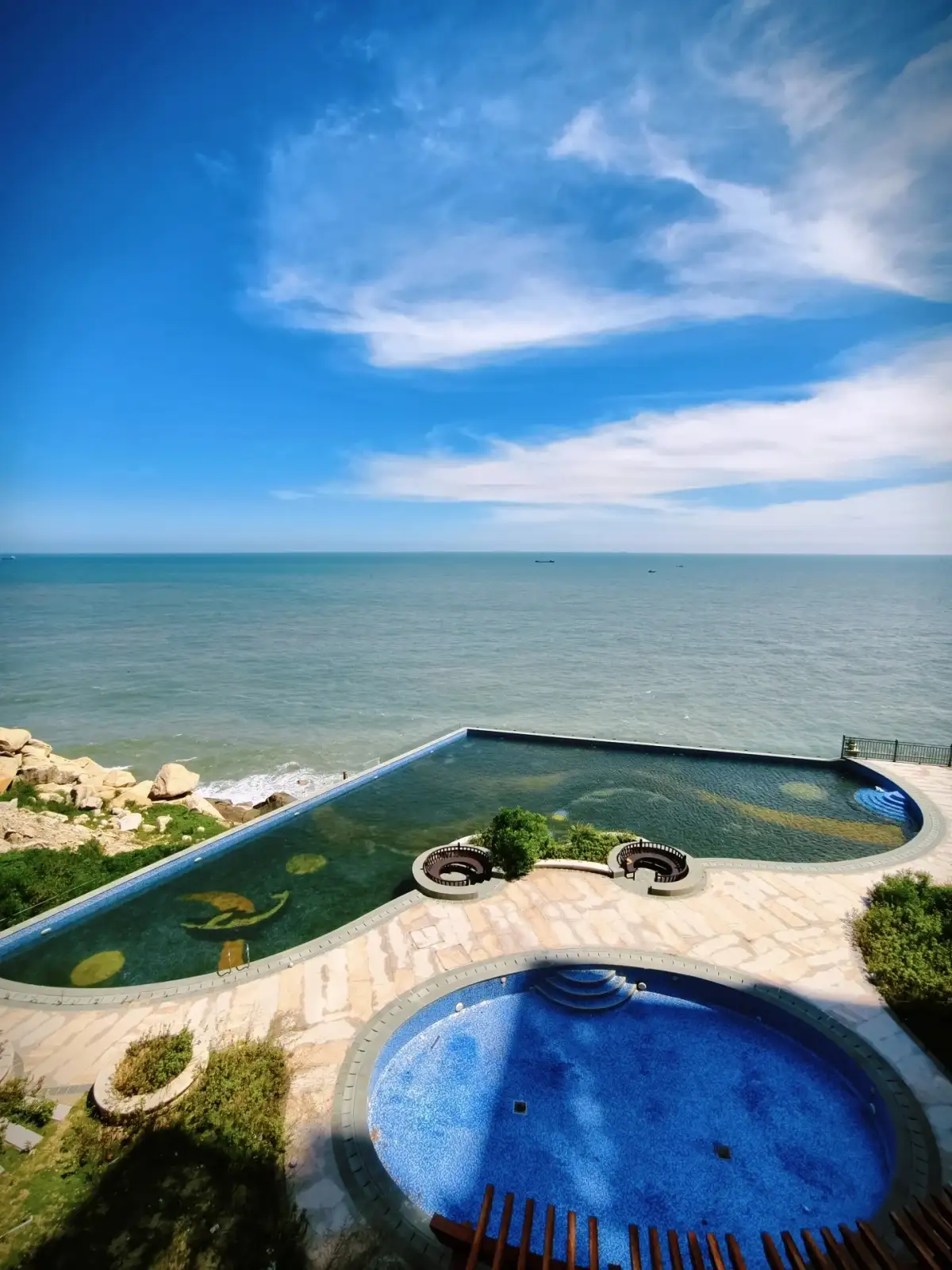
Pools and ocean views at seaside accommodations on Nan’ao Island. Photo:The Wandering Earth 📸 · Original Post.
To determine if the itinerary is too rushed, check whether it includes three distinct segments: a smooth journey from your mainland accommodation to the main destination, an actual stay at the main destination, and a return trip according to the planned route. If the time spent at the beach in between is reduced to just taking photos before immediately getting back in the car, it suggests that the effort required to reach the island may outweigh the experience itself. Eliminating distant optional destinations is often more helpful than cutting lunch short, as both families and drivers need actual rest.
If you have a flight or long-distance train to catch that same day, be cautious about scheduling your island trip to coincide with your fixed departure time. Road conditions on the bridge, transfers within the island, and weather are all subject to change. Scheduling your island activities for a day with some flexibility, or staying overnight at a suitable location the night before, will make your departure easier to organize. The specific amount of lead time should still be determined based on your transportation reservations and actual conditions; there is no universal guarantee that you won’t miss your ride.
Staying overnight—what makes the experience worth the extra time?
The value of accommodation lies in extending the duration of your stay, not merely adding another hotel name to the list. Those who wish to see the same stretch of coastline in different lighting conditions, hope to return to their room in the afternoon, or prefer not to make a day trip can consider staying overnight. The location of your lodging will determine the easiest activity to undertake upon waking the next morning; when making your choice, start with that activity: a walk, breakfast, returning to town, or continuing on to another destination.
Accommodations in Qing’ao Bay should be compared with those in other areas of the island based on your specific itinerary. Staying near major stops can reduce daily round trips, while staying near subsequent transportation hubs may make departure easier. Descriptions of ocean-view rooms should also specify the actual room type, orientation, and surrounding environment. Whether a sunrise is visible depends on weather and line of sight; simply because a photo is included in the notes does not mean it should be presented as a guarantee by the hotel.
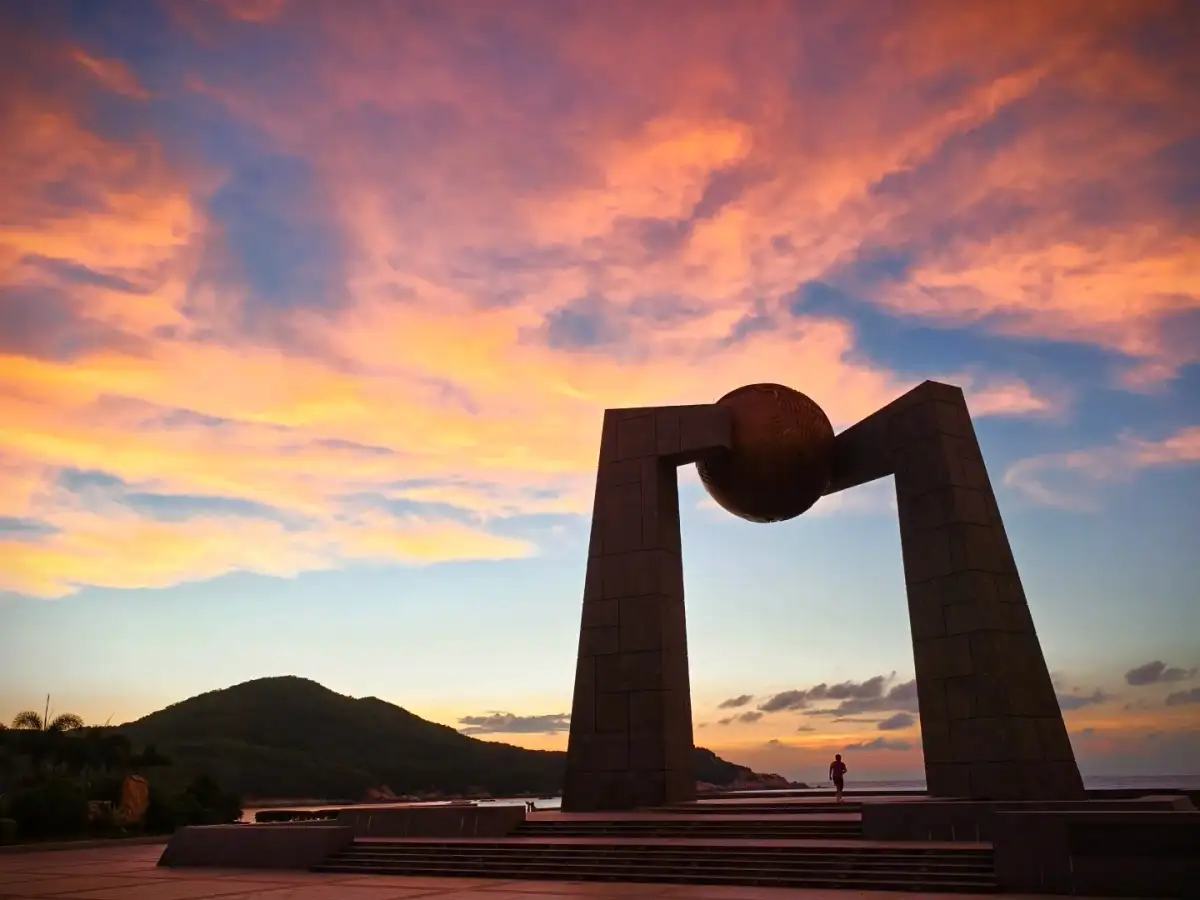
Evening view of the Tropic of Cancer Monument Square on Nan’ao Island. Photo:The Wandering Earth 📸 · Original Post.
A two-day, one-night itinerary can allocate the first day for arrival and the main stay, while reserving the second day for short activities and departure from the island. Families, in particular, can concentrate long-distance travel on the transition between locations rather than circling the island every day. Photographers can also visit the same bay twice to compare colors and water conditions without having to constantly chase after different sites. Preferences regarding evening rest and noise levels should be specified when making reservations.
Work backward from transportation to create a practical checklist
Bus-Centric Approach: Identify key stops, actual round-trip service schedules, and walking distances after alighting; list the farthest stop as an optional item.
Traveling with a driver: Specify the number of passengers, luggage, and any special care needs; confirm the boundaries of the pickup and drop-off areas and the itinerary; and ensure there is common ground for everyone’s interests.
Self-Drive: First, handle the necessary permits, vehicle services, and current island entry arrangements; then select permitted parking areas and publicly accessible viewing points.
Stay One Night: Choose your location based on the first thing you want to do the next day, turning the extra time into a seamless experience rather than more time spent rushing from place to place.
Whether Nan’ao is right for you ultimately depends on a specific stay there. Public transportation helps you adjust to the local pace, while the driver’s service reduces the need for you to handle the driving. Driving yourself requires preparation and division of tasks, and staying overnight expands your opportunities for rest and exploration. View transportation as an integral part of your day, and the coastline you encounter after arriving on the island will become more than just a backdrop rushing by outside your car window. What’s truly worth planning is how you want to spend your time by that sea.
Source and Editorial Notes
This article is an original travel analysis compiled by the Dongxing Travel editorial team based on the listed materials; it is not a firsthand account by the author. The full text of the original post has not been reproduced; accompanying images are used within the scope of authorization and are credited to the author and source of the original post. They do not serve as proof of actual travel experiences or services provided by Dongxing Travel.
Ma Yuyouyou · When Visiting Chaoshan, Be Sure to Set Aside a Day for Nan’ao Island · Travel Notes; Verified/Compiled on: October 3, 2026.
The Wandering Earth 📸 · Nan’ao Island | A Guide for Self-Drive Trips Shantou Municipal People’s Government ·Nan’ao Island Entry Reservation System Launched for Testing · Official Information; Verified/Compiled on: October 3, 2026. Ministry of · Travel Notes; Verified/Compiled on: October 3, 2026.
Shantou Municipal People’s Government · Nanao Smooth Entry Reservation System Launched for Testing · Official information; Verified/Compiled on: October 3, 2026.
Ministry of Ecology and Environment · Case Study: Qing’ao Bay, Shantou—A “Beautiful Bay” Beijing Municipal Public Security Bureau Traffic Management Bureau · Can Holders of Foreign, Hong Kong, Macau, and Taiwan Driver’s Licenses Drive in Mainland China? · Official information; Verified/Compiled on: October 3, 2026.
Beijing Municipal Public Security Bureau Traffic Management Bureau · Can You Drive in China with a Foreign, Hong Kong, Macau, or Taiwan Driver’s License? · Official information; Verified/Compiled on: October 3, 2026.