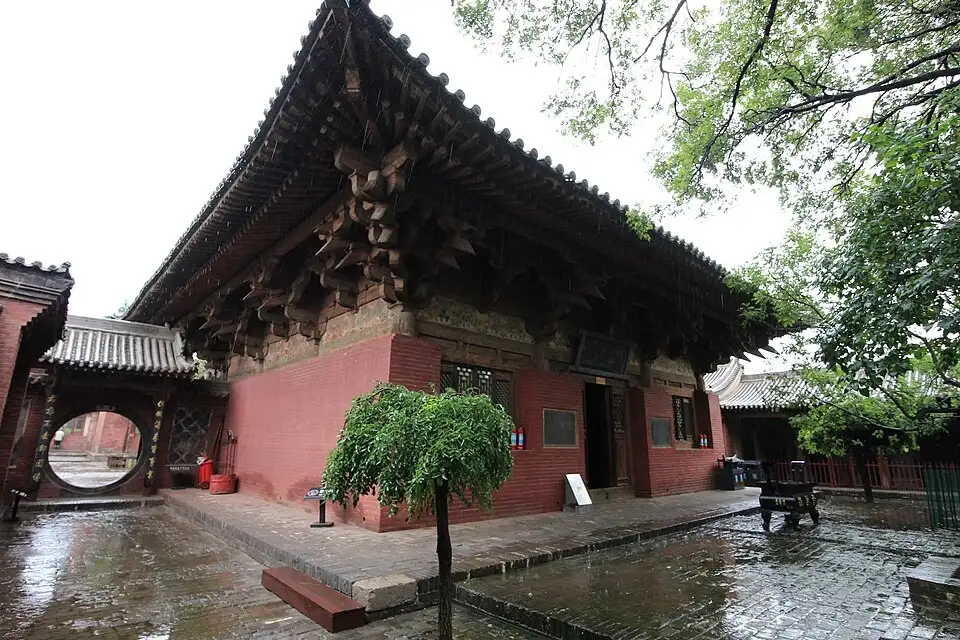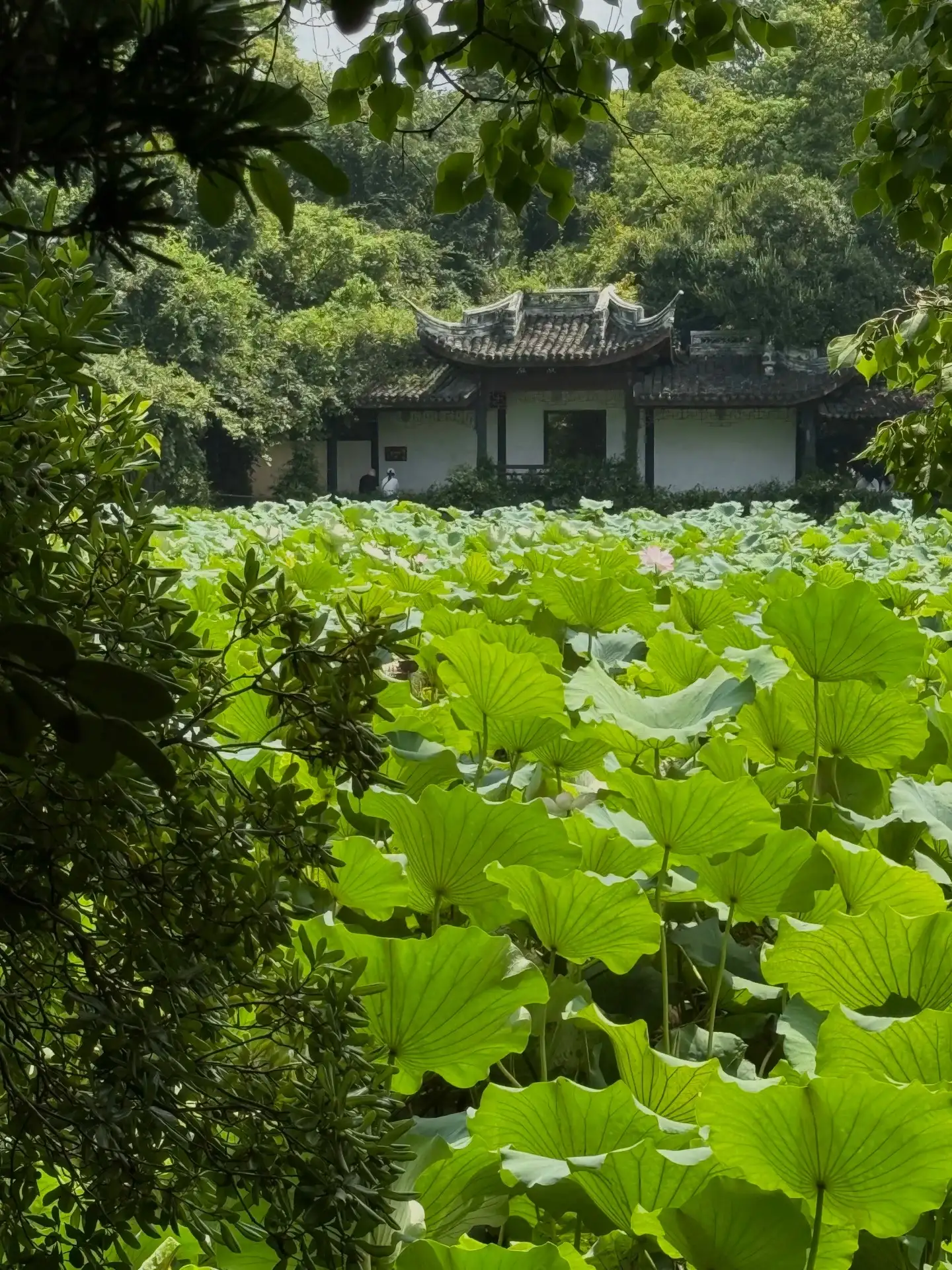
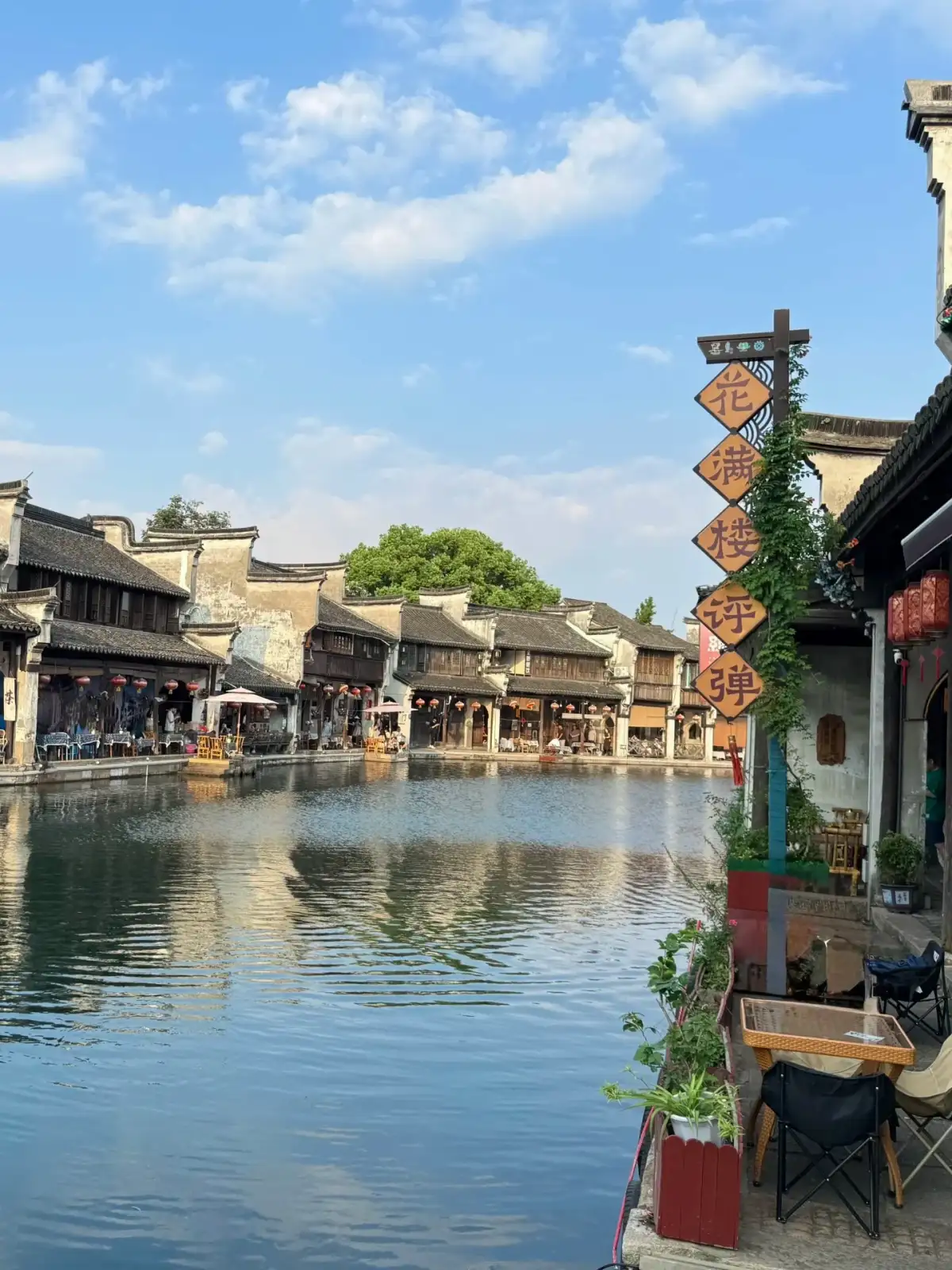
In photographs of water towns, bridges, water, and white walls often take center stage. Nanxun can also be explored through the lens of a single silk thread: how commodities traveled to distant lands, how commercial wealth led to the creation of gardens and libraries, and how private collections eventually entered public preservation. This thread connects several famous sites and ensures that the town’s culture isn’t supported solely by a string of architectural names.
本文延续这一阅读兴趣,历史事实分别依据湖州市政协、湖州市文旅局和浙江官方资料,不采用原帖中的藏书数量等未经一致确认的数字。下文路线侧重主题连接,不作为各建筑当次开放范围的说明。
a single strand of silk—first connecting the small town to the outside world.
Jili Huzhou Silk takes its name from the region; official historical records from Huzhou document its export connections, including merchants participating in overseas trade via routes such as Haining’s Zhapu Port, Hangzhou Bay, and Guangzhou. When visiting Nanxun, taking this as a starting point reveals that the tranquil appearance of this water town can coexist with a history of outward-looking commerce. Life along the waterways does not mean that people’s horizons were limited to the local area.
You can start by thinking of “Huzhou Silk” as a material that undergoes multiple stages of labor before becoming a commodity: silkworm rearing and silk reeling, as well as business operations and trade, each play distinct roles. If there are relevant exhibits on site, choose one that details the production process and another that details the trading process, and connect the two. This way, you won’t need to memorize all the merchant names to understand how a local product enters a larger market.
When observing the riverbanks and streets, ask what conditions are necessary for the movement of goods and what interpersonal connections are required for trade. These are questions for observing urban space; determining which specific building once housed which business should be based on on-site historical records. The interplay between water, roads, and adjacent buildings helps place economic activity on a scale that is easier to visualize than simply searching for the most picturesque street corner.
Even if a location is only suitable for a brief stop, you can still lead a short discussion centered on the material. Silk is often perceived as soft in clothing, yet in commercial history, it weaves a vast network of connections. By linking tactile sensations with networks, it becomes easier to explain “local specialties” to children and first-time visitors: they originate from a specific place, yet through trade, they can also transform that place.
garden pavilions and libraries, with wealth flowing in different directions.
According to the Huzhou Municipal Bureau of Culture and Tourism, the Jiaye Hall Library is located along the Zhuge Creek, facing Xiaolianzhuang across the stream. Their geographical proximity makes them ideal for organized cultural tours, while their thematic differences require visitors to spend time at each site separately. While the garden emphasizes human interaction with and appreciation of the scenery, the library centers on the collection, preservation, and use of written materials. Although both spaces are located in the same water town, they cannot be fully appreciated using the same approach.
Within the garden, focusing on the relationships between ponds, water, plants, and architecture offers insight into a carefully designed living environment. Upon reaching the library, shift your attention to how the space accommodates books and how reading and preservation are made possible. Regardless of which areas are open to visitors on any given day, these two lines of inquiry can begin with the public exhibits and the building’s exterior—there is no need to seek out private entrances just to complete the thematic exploration.
If my companion is more interested in gardens but unfamiliar with ancient texts, is it still worth including the book tower? Yes, it is, but we can narrow our focus. First, understand why books are housed in a dedicated building, then look for an explanation about book collection or printing. Recognizing that preservation requires space and labor takes us a step further than simply viewing the bookshelves as a backdrop of ancient charm. By selecting one discovery each from the garden and the library, the itinerary will provide a contrasting perspective.
Books aren’t something you can simply buy and keep forever
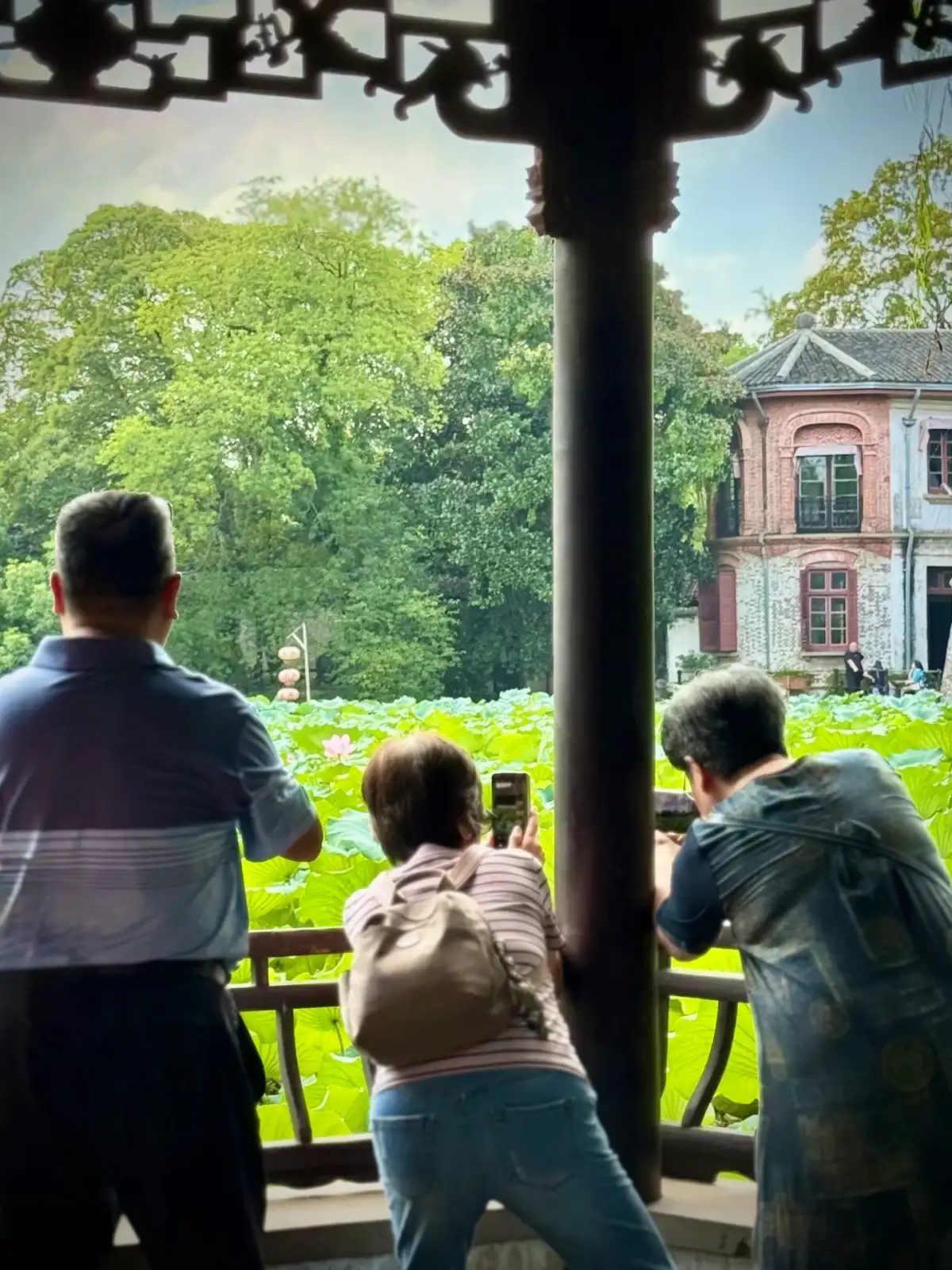
Official Zhejiang records regarding the Liu family cover book acquisition, printing, as well as cataloging, collation, transcription, and authentication. This reminds visitors that beyond the scale of the collection lies a continuous process of intellectual labor. For a book to enter the library, it may require determining its edition, assigning a location, verifying the text, and then preserving or disseminating it in various ways. The bookshelves are merely the visible surface of these efforts.
If the exhibition features book blocks, ancient texts, or related explanations, examine them from both material and textual perspectives. How do the materials carry the text, and through what means is the text reprinted or recorded? Specific techniques are explained on the exhibit labels. For visitors unfamiliar with classical Chinese, first understanding how a page of a book becomes a medium for conveying information is an easier way to engage with the topic than immediately trying to grasp the meaning of an entire passage.
This kind of observation differs from ordinary reading. While reading focuses on what a book says, a visit to a library also considers how books exist and how they are organized. You can set aside unfamiliar book titles for later and simply note one detail that helps you understand the preservation process. For example, a colophon, a description of cataloging work, or a format different from today’s books could all serve as an anchor point for this visit.
When Private Collections Enter the Public Memory
The original owner of Jiaye Hall later donated the collection to the Zhejiang Library, and official records document this historical transition. It shifts the narrative from the use of family wealth to the issue of public preservation: the value of a book lies not only with its owner but also in the ability of future readers and researchers to continue accessing this material. The building thus acquires a temporal span that extends beyond private daily life.
This segment of history is best discussed after the tour, rather than treating the donation merely as a date to memorize from the exhibit labels. If a collection of books is particularly valuable, what preservation methods will ensure it continues to be understood? What roles do individual contributions, institutional curation, and public access each play? These questions reposition the seemingly static library within a cultural process that is constantly shaped by human participation.
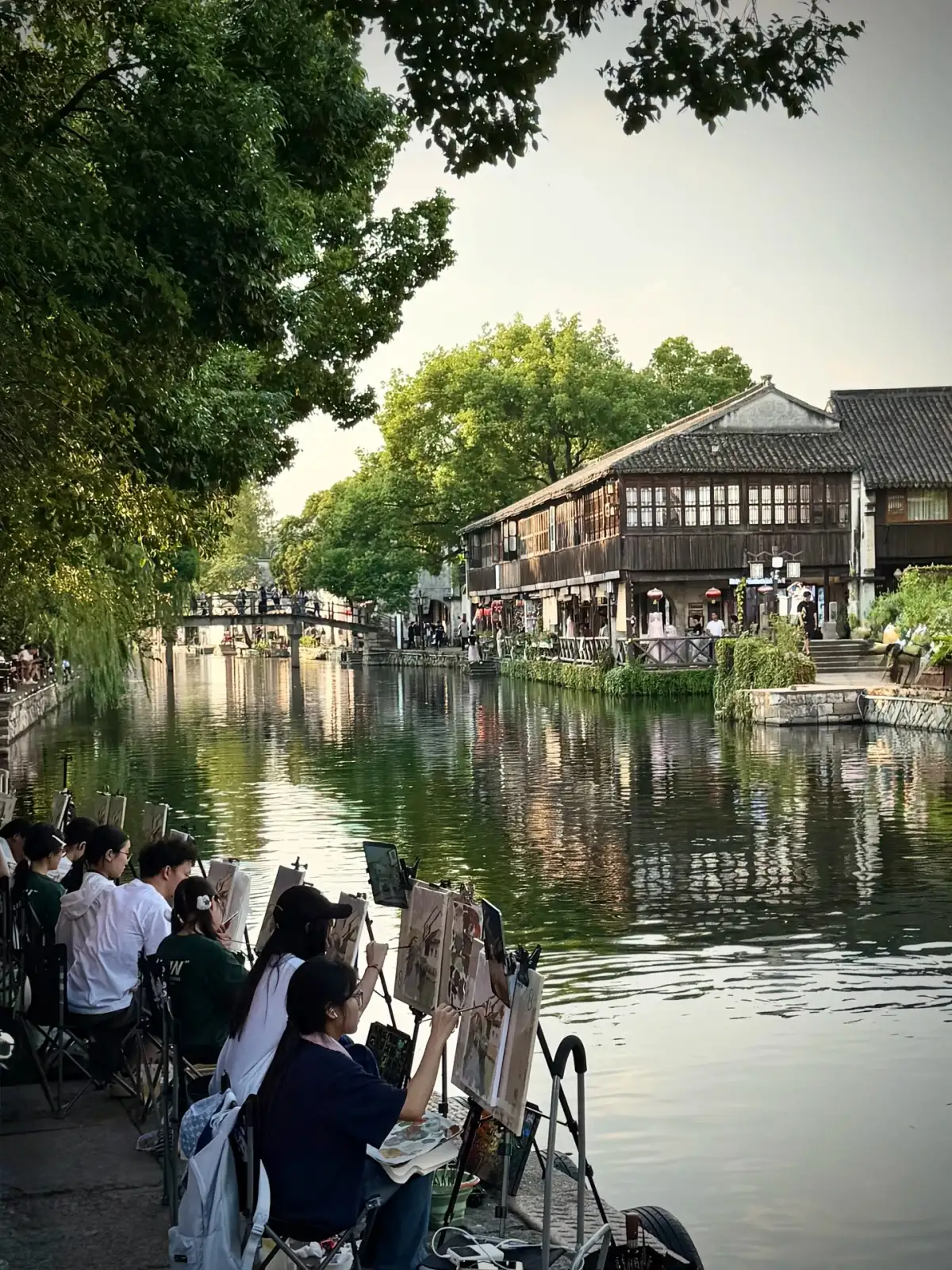
For international visitors, Nanxun can also serve as a gateway to understanding China’s local society. Commerce and culture are not locked away in separate exhibition halls: business brings resources, while collecting and book printing create uses for them, and later preservation institutions carry on these materials. The specific connections between these various stages require historical evidence, but organizing a tour around this framework provides a clearer picture than simply making a general statement about the town’s cultural richness.
How can the one-day itinerary avoid an overload of cultural information? Use “Huzhou Silk” as the starting point, let the gardens set the pace, and designate the library as the main reading area, while leaving time in between for strolling along the riverbank and socializing. If physical stamina or time is limited, you can reduce visits to other courtyards while retaining this logical flow. This is a thematic sequence, not a rigidly prescribed walking route; adjust it based on entrance points and on-site opening schedules, and the narrative will remain coherent.
Photos can also be selected using this logic: one illustrating the layout of the water town, one explaining the function of a book tower, and one documenting a detail that sheds light on conservation efforts. Write a different caption for each photo to avoid simply noting that “the ancient town is beautiful” for all three. If photographing a specific detail is not permitted on-site, simply jot down its name in your notes—understanding does not depend on taking everything home with you.
Nanxun can also be placedthe Jiangnan Destination Packagethe broader context and compared with other places. The comparison need not be about which ancient town is more beautiful, but rather how different places interconnect commodities, knowledge, and daily life. As you leave with this question in mind, the bridges and water will still be beautiful, but you’ll also be able to see the choices and labor that once took place alongside them.
Source and Editorial Notes
They do not serve as proof of actual travel experiences or services provided by Dongxing Travel.
Huzhou Municipal Committee of the Chinese People’s Political Consultative Conference · Jili Huzhou Silk and the People of Jili · Official documentation; Verified/Organized on: October 3, 2026.
Huzhou Municipal Bureau of Culture, Radio, Television, and Tourism · Jiaye Library · Official documentation; Verified/Organized on: October 3, 2026.
Zhejiang Provincial Commission for Discipline Inspection and Provincial Supervisory Commission · The Liu Family of Nanxun: A Family with a Tradition of Integrity, Prioritizing Education · Official documentation; Verified/Organized on: October 3, 2026.
Garden and library together?
Use Nanxun silk trade to introduce a Nanxun cultural route, then compare wealth expressed in a garden with that supporting Jiaye Library. For a short visit, examine one deeply and view the other's setting. Ask how collections survive rather than expecting unrestricted access to old books.
Brief an English-speaking guide
Request a clear link between silk commerce, families and public memory, using a few people and objects. Check current library and gallery access rather than inferring it from old indoor photographs. Allow for bridges, thresholds and rests in the waterside town.
Planning references