take a photo of a rock art motif on their phone—it resembles a quickly recognizable symbol; but when you place it back against the rock surface, the texture, size, location, and surrounding mountains will alter your perception. A rock art tour in Ningxia can begin at a museum or in the great outdoors. Both approaches offer different benefits; before making a choice, ask yourself whether you need more explanation or are more interested in experiencing the environment in which the images are found.
小红书作者“momoMa”特别区分了宁夏博物馆岩画展示中的拓片与石质材料,“古墨”则把岩画图形放进更广的馆藏兴趣中。这样的观察提醒游客,展厅不是把山上的全部石面原样搬来。室内观看让图形便于比较,户外观看则需要把它与真实材料和周围空间重新联系起来。
Where is the best place to start for someone encountering rock art for the first time?
If you haven’t yet formed a clear idea of what you want to see, it’s recommended to first build a basic vocabulary through museum visits. Ningxia’s Department of Culture and Tourism introduces its rock art exhibitions and comprehensive historical displays; such an environment allows visitors to identify forms and materials through centralized explanations. Knowing that rock art consists of engravings or paintings on rock before examining different motifs will prepare you better than simply searching for the most famous piece upon arrival at the site.
the indoor segment, you can focus on two questions: How are the images recorded, and how do the captions aid in understanding? Rubbings, illustrated catalogs, and the stone surfaces themselves present different types of information; exhibition labels usually specify their nature. Keep these distinctions in mind, and the next time you encounter a rock surface in situ, you’ll pay attention to its original texture, lighting, and location—rather than treating all displays as identical reproductions.
If travelers are already familiar with rock art themes and wish to further understand the relationship between the mountain and the images, they should prioritize outdoor visits. Once on site, first observe the rock’s surroundings, then look for the engravings from permitted vantage points; after examining them up close, step back to view the whole. Unlike in a museum, this viewing sequence establishes the spatial context first, followed by the identification of the images. Whether this approach is suitable also depends on the day’s traffic conditions and your physical condition.
The three most useful differences for comparison are
exhibition halls to focus on close reading and comparison, while on-site observation helps understand the relationship between the images, the rock surface, and the surrounding space; one emphasizes interpretation and organization, while the other emphasizes environmental scale.
catalogs or rubbings make the lines clear, while the actual stone surface allows the texture, lighting, and state of preservation to come into view; the outlines in photographs may not necessarily match exactly what is seen at a glance on-site.
Indoor stops in cities are easier to combine with other museum collections, while mountain sites require comprehensive transportation and outdoor arrangements; they demand different levels of physical exertion and organizational attention.
how should you choose when traveling with children and elders?
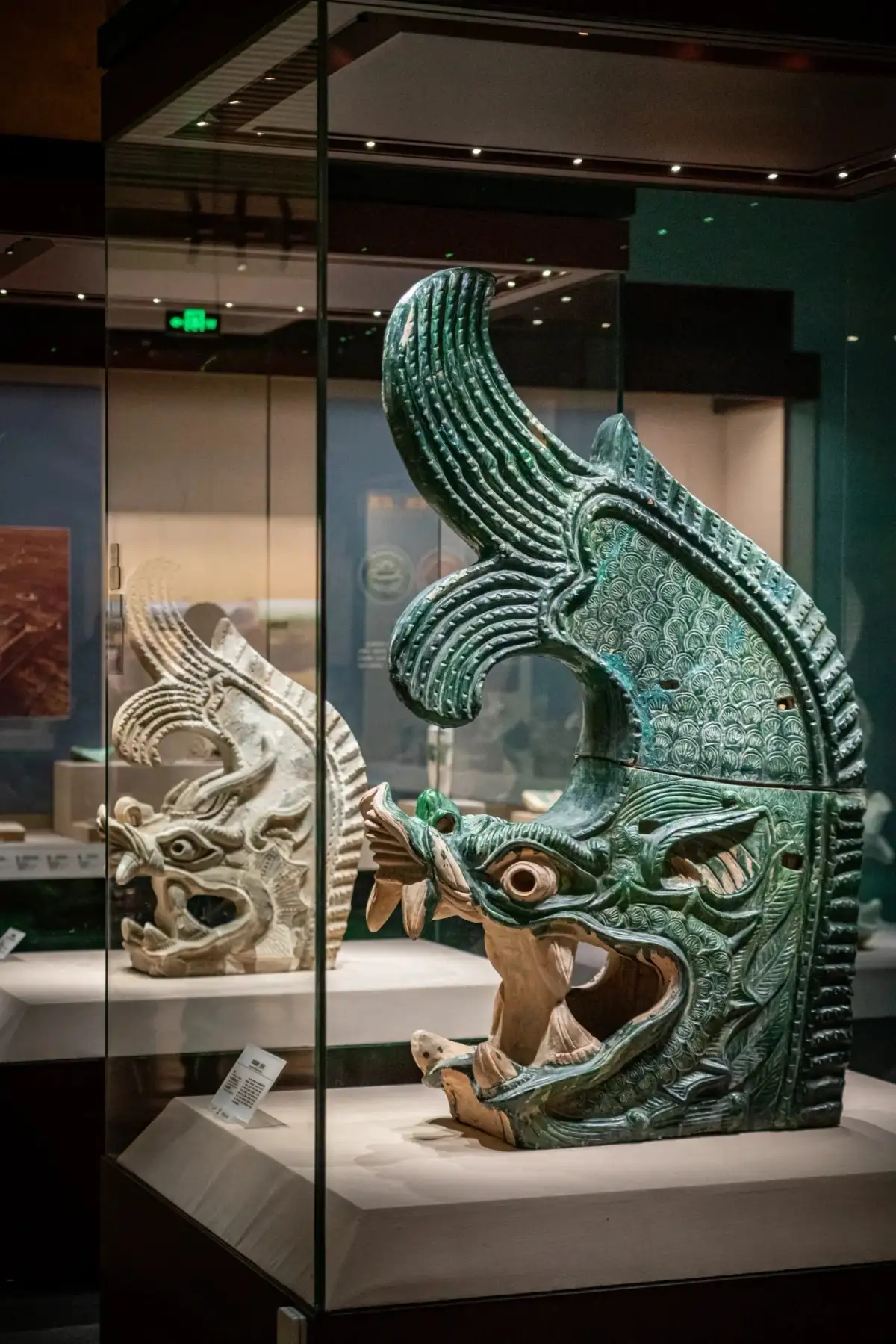
the exhibition of glazed architectural decorations at the Ningxia Museum. Photo:Ancient Ink · Original Post.
Start by asking everyone if they’d like to join the outdoor hike, rather than simply asking if they’re interested in history. Those who enjoy rock art but prefer to walk less can study the illustrations carefully indoors; those willing to venture into the mountains may be more eager to experience the rock surfaces and slopes as a whole. A family outing doesn’t require all members to share the same approach to interpretation; the key is to plan in a way that ensures everyone has a fulfilling experience.
the indoor section, you can play a “find the image” game, but don’t make identification the sole objective. Have children look for a variation in line work or describe a shape before reading the explanation; this allows them to participate while still engaging their own thinking. When encountering images like animals or human faces, let them first describe what it looks like, then check the label to see how it’s named. Adults don’t need to immediately correct every answer with technical terminology.
an outdoor excursion, they should factor in rest breaks, sun exposure, and meeting points into their plans. First, assess your own tolerance for walking intensity and trail conditions before deciding on the scope of your tour. Photographers who wish to stay longer can arrange appropriate groupings and companions in advance; other members do not need to wait by the same rock face the entire time. It is more important for the elderly or children to save their energy for the sections that truly interest them than to visit every single site.
On cloudy or rainy days, or when you’re running low on energy, are museums merely a substitute?
The museum itself offers its own distinct content. Displaying Ningxia’s rock art alongside historical artifacts helps visitors understand that a single region encompasses diverse time periods and materials. The exhibition hall isn’t just a stopgap for those who couldn’t make it outdoors; it can serve as the first or final stop on a themed tour, or even be the focal point of a half-day city visit. Even when the weather changes, choosing to visit it ensures you still have a clear cultural objective.
, the experience indoors and outdoors will not be exactly the same. The specific location of the rock surface, the scale of the mountain, and the process of gradually revealing the images as you walk—these must be experienced within the natural environment. If this is the core of your expectations, you can plan another trip for the future, rather than expecting the exhibition hall to provide the entire experience at once. Clearly identifying what is missing is more helpful than vaguely feeling that not going outdoors is a failure.
for visitors on a brief stopover, city museums also offer valuable language resources. By linking terms such as “human faces,” “animals,” “carvings,” and “rubbings” to the exhibit labels, the next segment of the tour will facilitate easier communication. If in-depth explanations are needed, actual foreign-language support should be confirmed in advance; while the images themselves may not require translation, the identity of the materials, research conclusions, and chronological information still need to be accurately explained.
Why shouldn’t one rely on just one story when encountering a motif that resembles the sun?
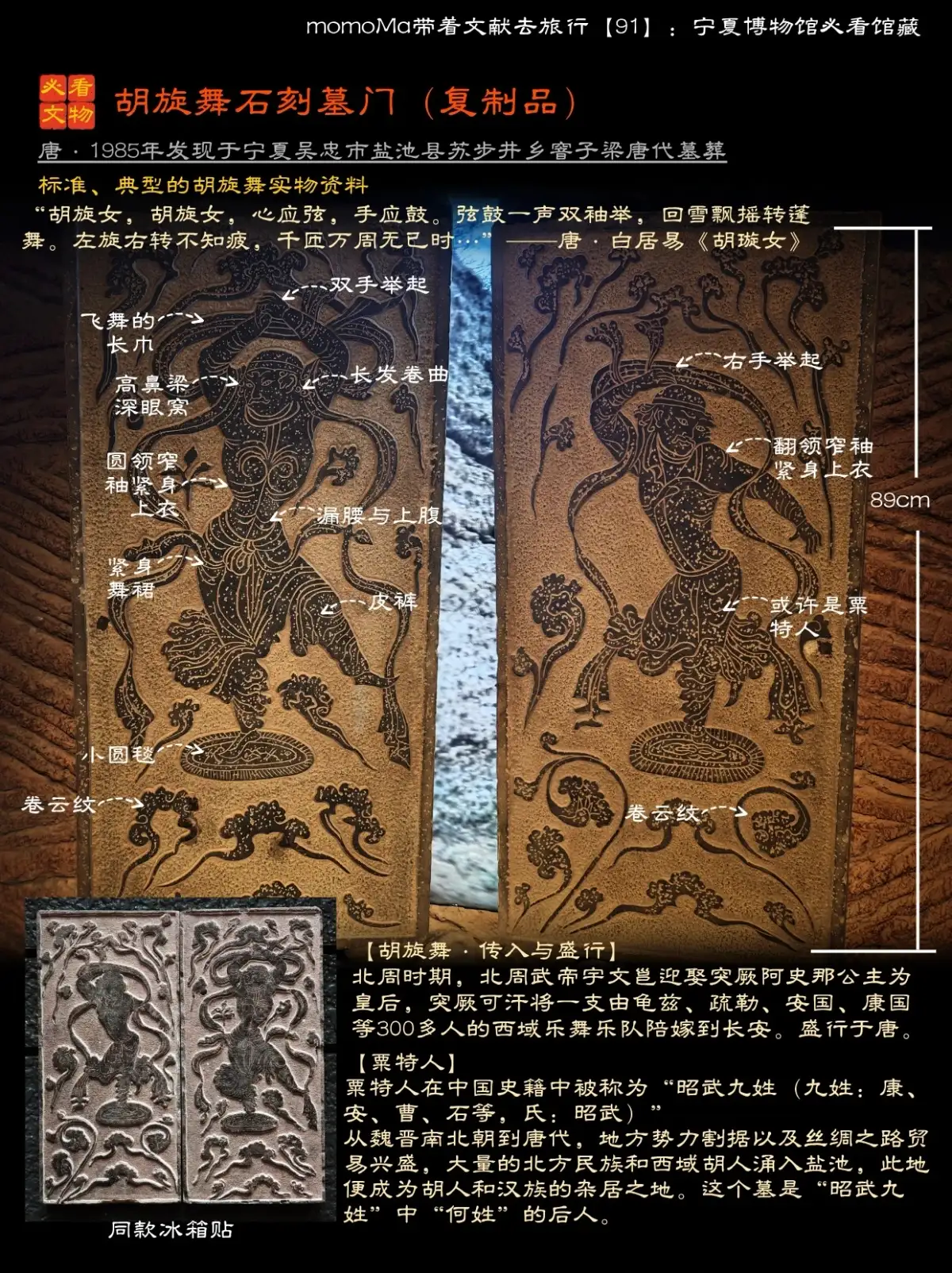
Interpretive diagram of the original tomb door decorations at the Ningxia Museum. Image:momoMa · Original Post.
identifying motifs and interpreting their meanings are two distinct levels of analysis. Shapes can be described by viewers, but specific meanings require scholarly research. The Ningxia Culture and Tourism Bureau highlights the rich array of themes related to daily life and culture in the rock art, but the interpretation of any single image should still follow its official description. While traveling, you can appreciate their visual power or leave questions open—there’s no need to immediately associate every line with a specific myth.
this kind of open-ended interpretation is well-suited to rock art. First, observe whether the lines are carved or painted, how the rock surface is utilized, and what characteristics the size and placement exhibit—then listen to the explanation. The materials and forms ensure that the motifs are more than mere symbols. When modern design reduces them to flat diagrams, we tend to remember only their outlines; by returning to the original works and reliable records, we can see the interdependent relationship between the motifs and the rock itself.
Ningxia’s rock art is distributed across more than one region. Just because you see a few pieces in a single exhibition hall doesn’t mean you should assume that all the materials in the region come from the same location, the same era, or were created using the same technique. Before traveling, specify the full name of your destination. When seeking information, distinguish between city museum collections, specialized rock art museums, and actual outdoor sites. This way, discussions about your itinerary will focus on specific locations rather than the vague term “rock art.”
only one cultural site, how can you make that decision more specific?
you can frame your choice in a single sentence: “Do I need to understand the images more today, or would I rather immerse myself in the environment?” The former prioritizes explanations, language, and exhibition content, while the latter prioritizes transportation, walking, and weather. If you want both but time is limited, choose one as the focus of this visit and set the other aside—there’s no need to rush through both.
contact an advisor, it’s helpful to directly specify the ages of your companions, their comfort level with outdoor activities, language needs, and the specific topics you wish to explore in depth. For example, stating that you want to examine the relationship between the images and the rock surface makes arrangements much easier than simply saying you want to visit a popular attraction. Passport requirements and admission procedures are subject to the specific policies of the selected location; this article does not treat reservation times, ticket prices, or estimated durations from personal notes as current regulations.
When leaving Ningxia, it’s certainly nice to remember the lines of a particular image, but an even greater reward is understanding the specific materials and environment from which it originated. Museums help make the images legible, while the mountainous sites give them their context. Choose a path that suits you and carefully complete this layer of observation; then, the rock art will transform from a familiar tourist symbol into a real and concrete cultural discovery.
Sources and Editorial Notes
This article is an original travel analysis compiled by the Dongxing Travel editorial department based on cited sources; it is not a firsthand account by the author. The full text of the original post has not been reproduced; accompanying images are used within the scope of authorization and are credited to the author and the source of the original post. They do not serve as proof of actual travel experiences or services provided by Dongxing Travel.
momoMa · Ningxia Museum: The Museum’s Crown Jewels and Must-See Collections · Travel Notes; Verified/Organized on: October 3, 2026.
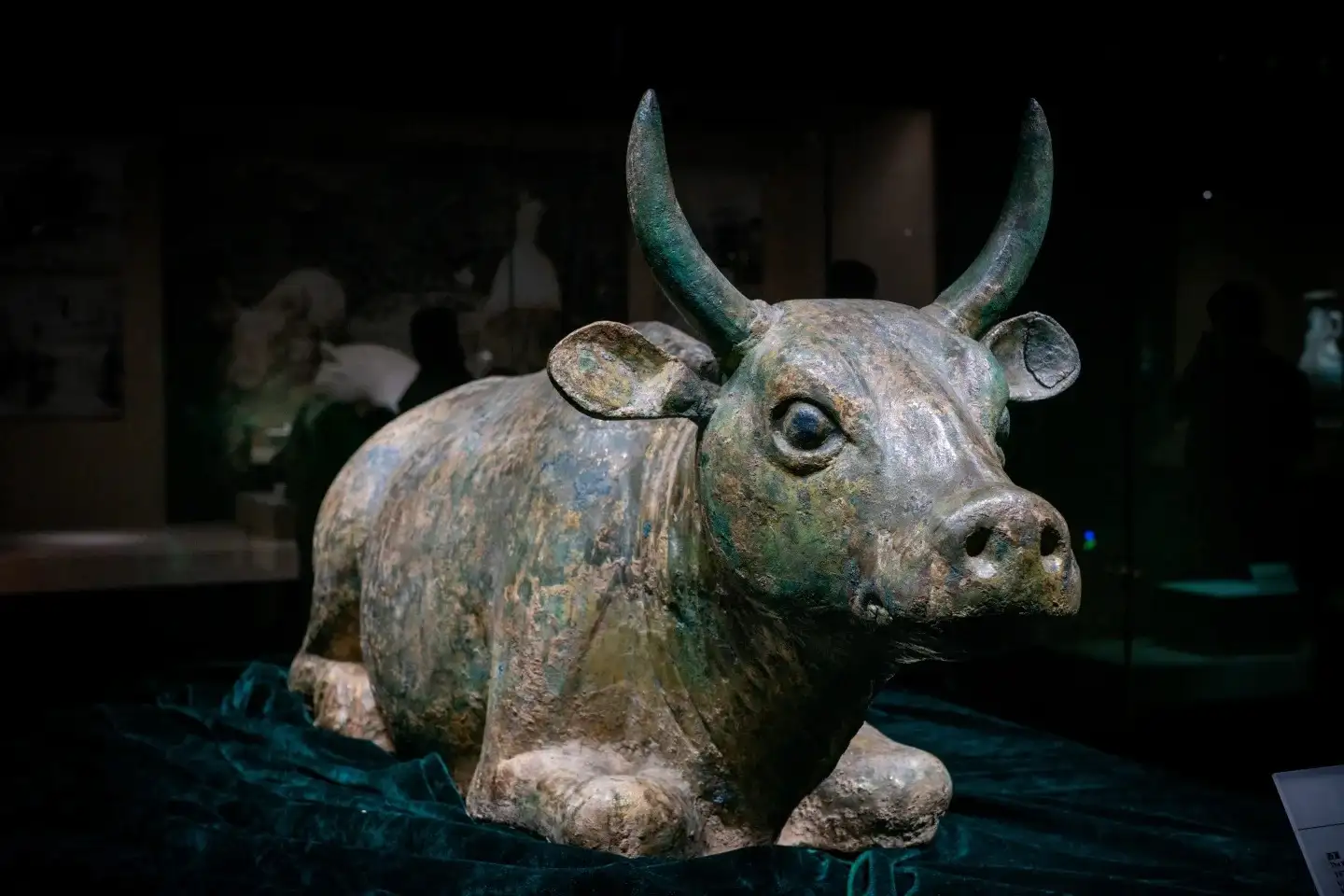
Ancient Ink · Ningxia Museum: More Than Just Bronze Bulls! Check Out These 17 Silk Road National Treasures · Travel Notes; Verified/Organized on: October 3, 2026.
Department of Culture and Tourism of the Ningxia Hui Autonomous Region · Introduction to the Ningxia Museum · Official materials; Verified/Compiled on: October 3, 2026.
Ningxia Hui Autonomous Region Department of Culture and Tourism · Prehistoric Rock Art · Official materials; Verified/Compiled on: October 3, 2026.