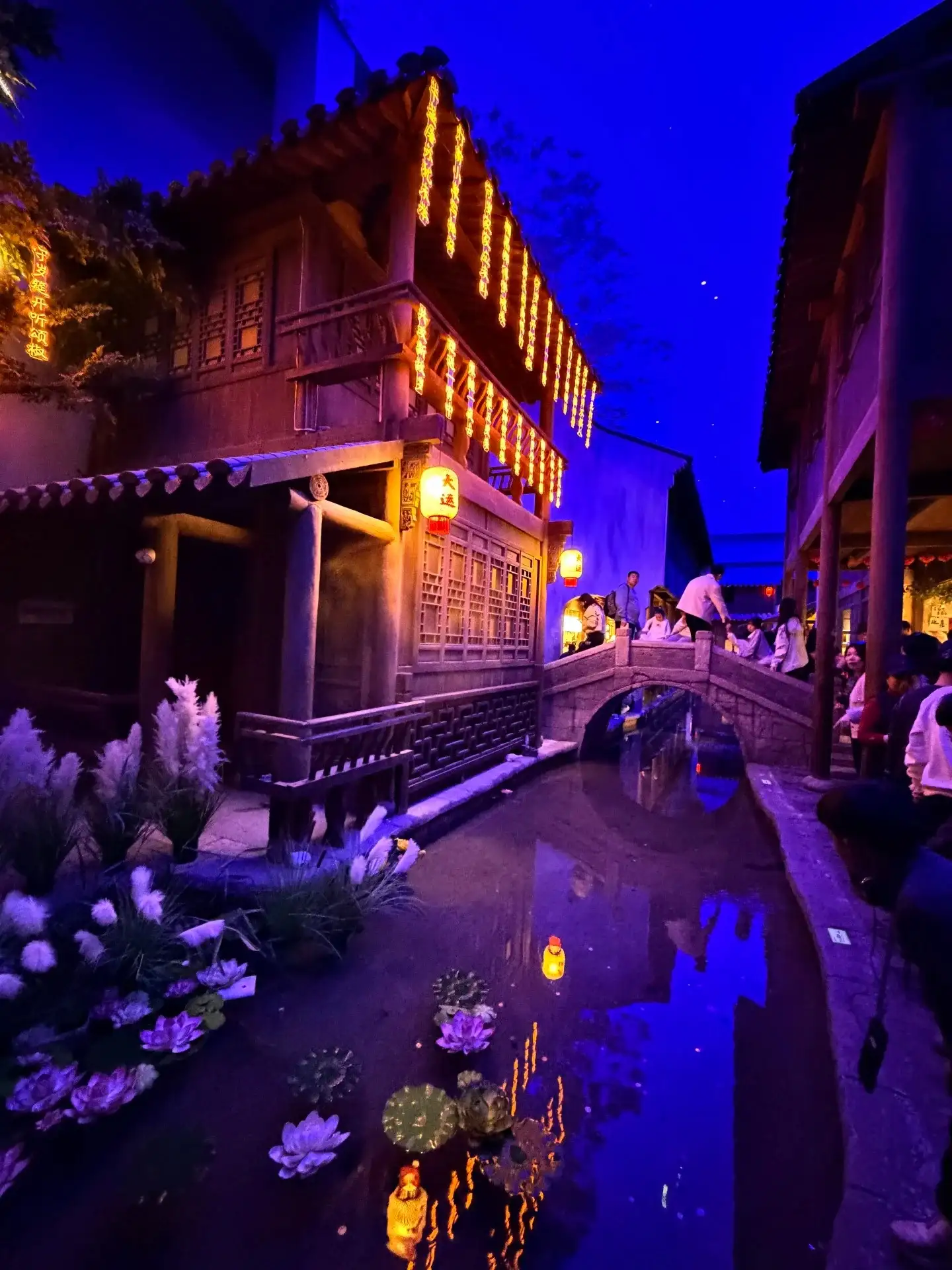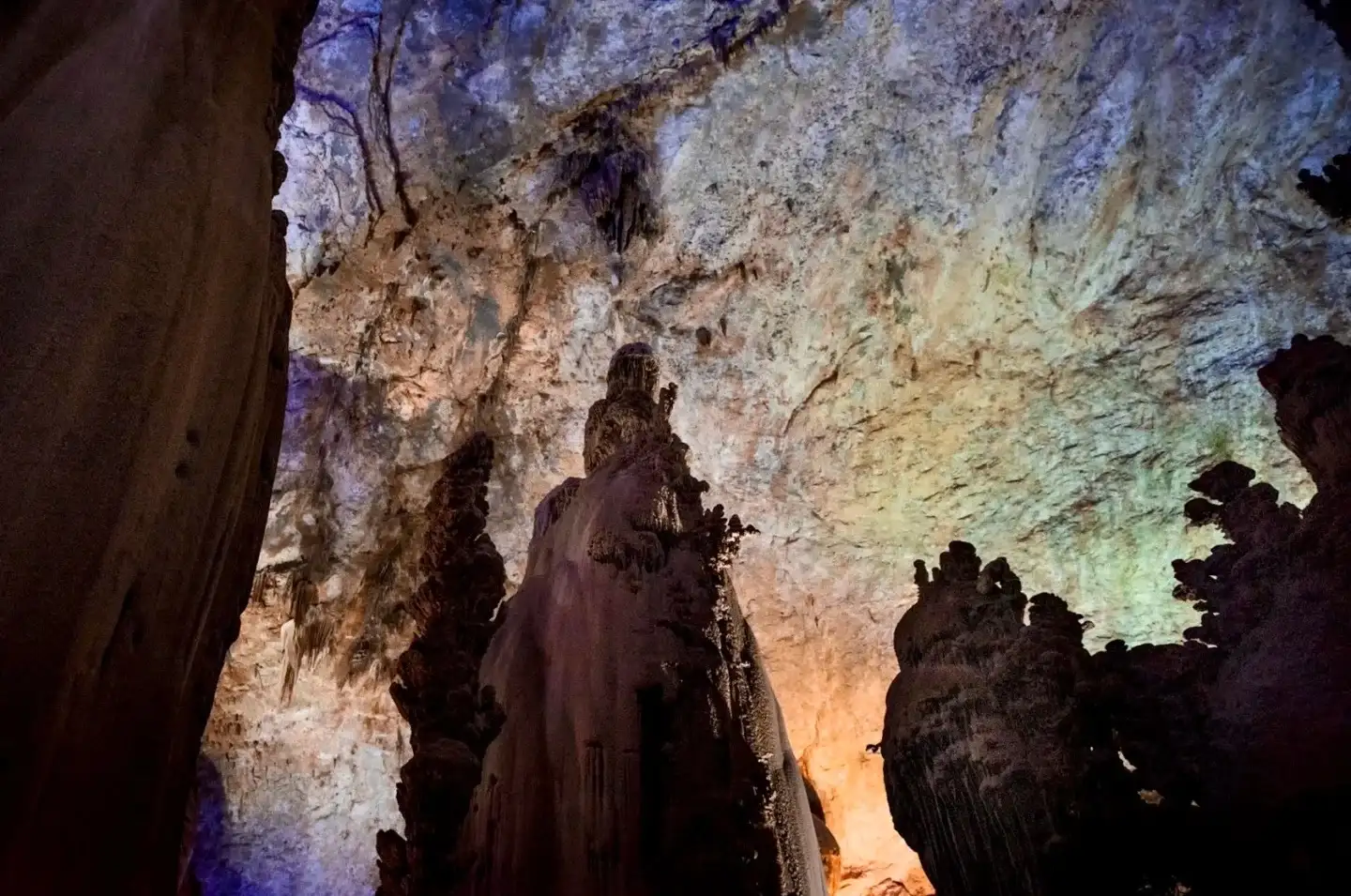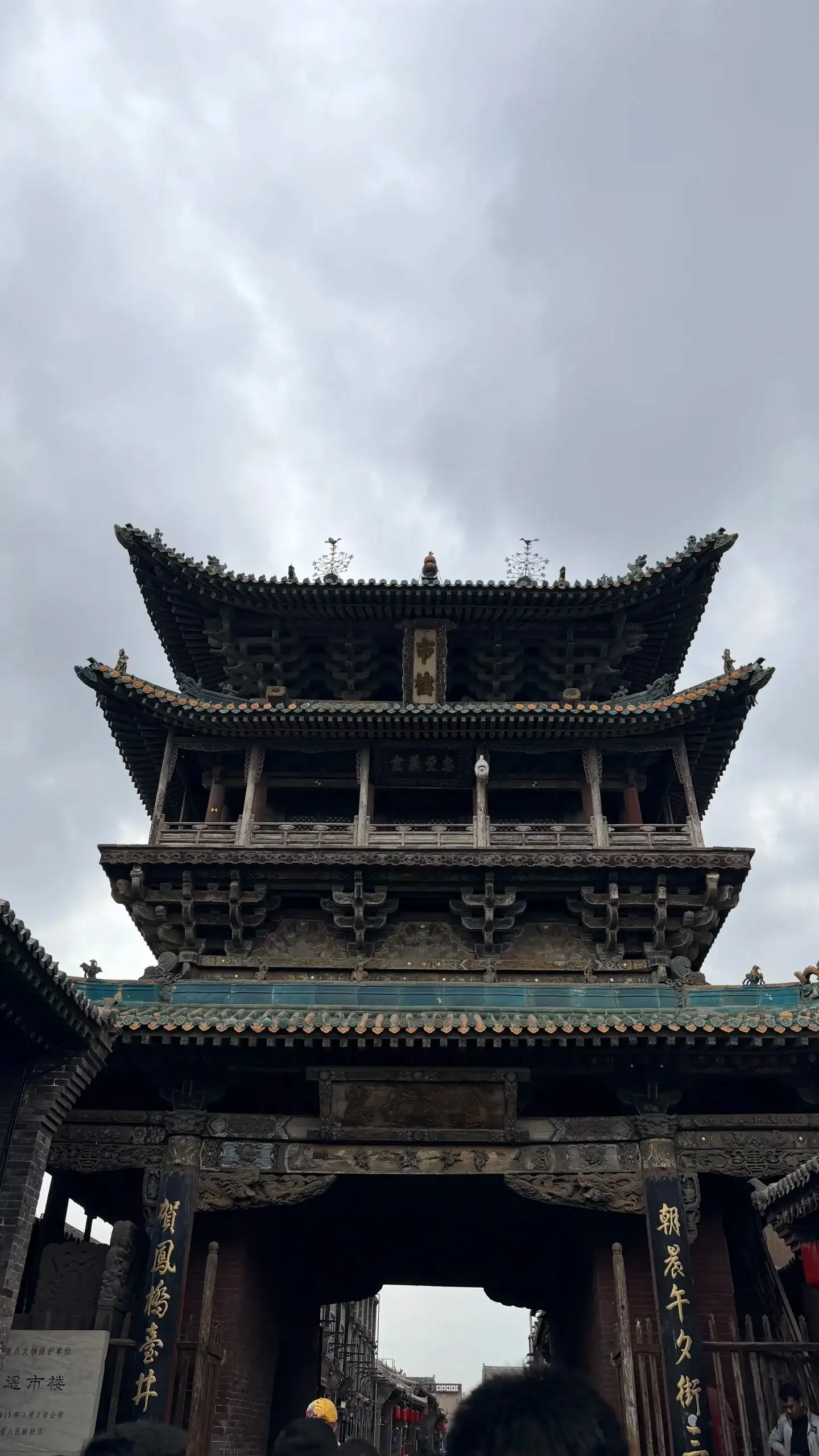
When deciding to visit Pingyao, many people first picture gray city walls, courtyard gates, and red lanterns. While this impression of the city is accurate, it can easily obscure two other cultural threads: colored sculptures and early wooden architecture. The World Heritage site of Pingyao Ancient City extends beyond the inner city walls to include Shuanglin Temple and Zhenguo Temple. If you’re truly interested in figurative sculptures or wooden architecture, an itinerary that limits you to the commercial streets alone may not satisfy your interests. Conversely, those interested in historic commercial cities need not rush through their exploration of the inner city just to cover the entire World Heritage site.
小红书作者丞相来养花的完整《平遥印象》,把雨天的街巷、城墙和不同状态的房屋写进城市观察。这里借它说明城内散步能够提供生活尺度,不复制其抒情表达或到访经历。本文新增的选择依据来自联合国教科文组织的遗产说明:先确认古城与两处城外寺院是不同的组成部分,再按读者的兴趣区分。实际开放和交通需对应出行日期安排,不用旧笔记中的体验替代服务确认。
To understand an old commercial city, start by staying within its walls
UNESCO’s materials highlight Pingyao’s commercial and financial prosperity as a key backdrop to the ancient city. For the average traveler, this thread need not start with a list of business names; instead, it can begin with the relationships between streets, shops, and residences. Standing in the open streets and alleys, observe which direction the storefronts face and how the courtyards connect to the streets, then enter the exhibition spaces confirmed as open to the public to read about their history. You’ll gain a better understanding of how commercial activities helped shape the city, rather than simply viewing the architecture as a backdrop for photos.
Exploring the city’s cultural fabric is ideal for those interested in urban structure, local life, and commercial history. Choose an exhibition related to your theme, then return to the streets to observe how it fits into the broader context of the city. The stories in the exhibits serve as tools for understanding, while the contemporary shops on the street represent today’s business operations—the two should not be conflated. When you see a vintage-style sign, do not automatically assume it represents the same business from the past; when you encounter a repurposed courtyard, do not conclude based solely on its appearance that all its components date from the same era.
If your travel companions simply want to experience the ancient city without reading many exhibit labels, you can narrow the focus to distinguishing between public streets and private courtyard gates. You can walk freely along the streets, but people may still live or run businesses behind the courtyard gates—access depends on actual permits. Treating every alley on the map as a freely accessible photo spot blurs the line between urban life and tourism. Part of Pingyao’s appeal lies in the continuity of authentic daily life, and respecting this is a crucial part of understanding the city.
If you’re interested in the figures depicted, then consider visiting Shuanglin Temple
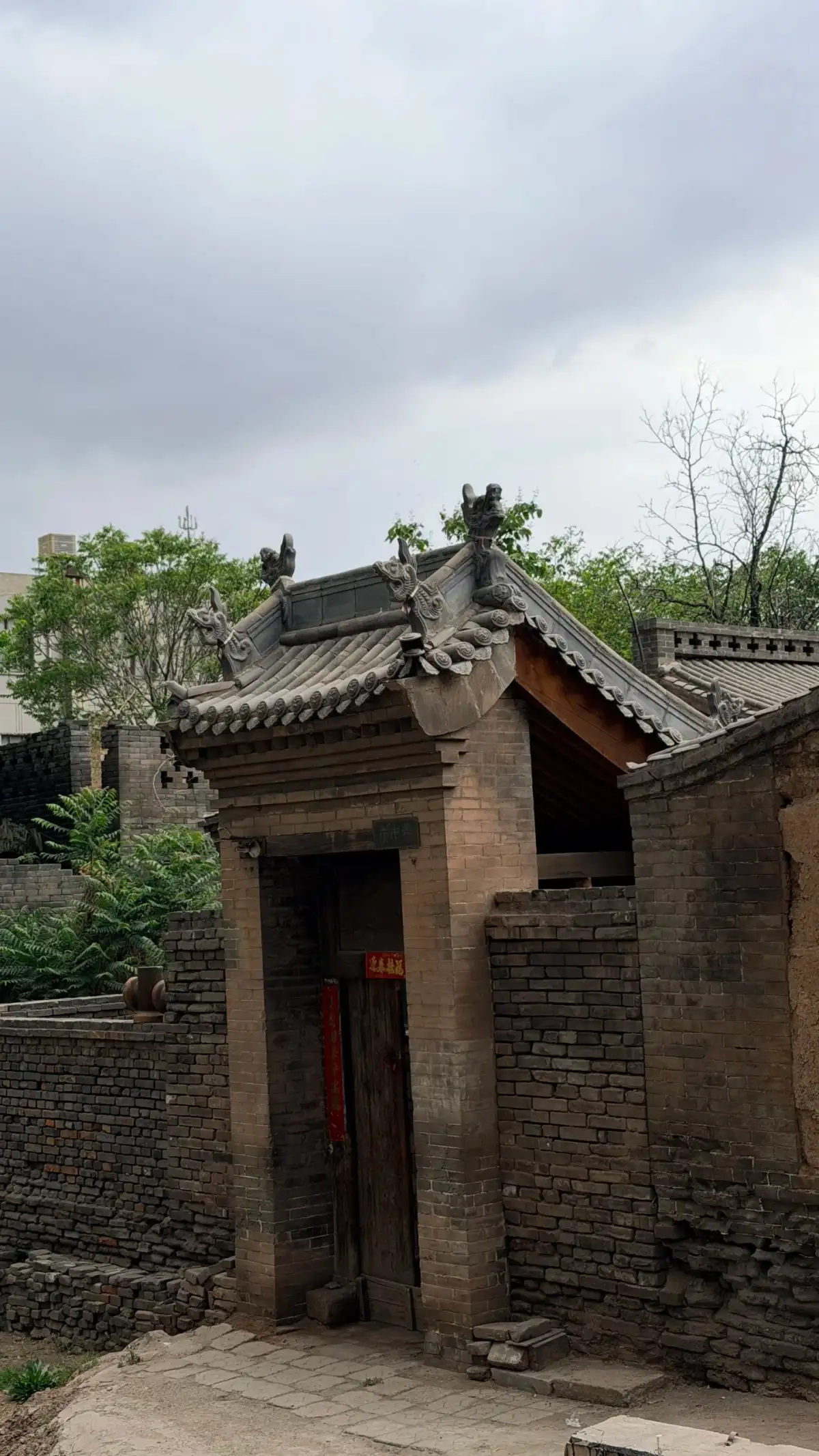
The gray brick courtyard walls and gate towers of Pingyao’s old alleys. Photo:The Chancellor Comes to Tend Flowers · Original Post.
heritage descriptions that link Shuanglin Temple to the art of colored sculptures. Compared to the city’s streets and alleys, viewing the colored sculptures is a more focused experience: the figures’ postures, the folds of their garments, and their interactions take center stage. Those drawn to this theme are often willing to pause for a single detail rather than constantly moving on in search of the next panoramic view. Even without a background in art history, you can start by describing the actions you see, then read the description to understand their identity and purpose. Vivid imagery and historical interpretation are two distinct layers of information; you shouldn’t simply name a figure yourself just because it resembles a familiar character.
When taking children to see colored sculptures, start with body language. Ask them to identify which poses appear stable and which movements seem poised to continue, then discuss how artisans use static materials to convey a sense of motion. Adults don’t need to rush to correct every perception; wait for the child to express their thoughts before supplementing with factual explanations based on the context. This approach transforms the visit from a passive absorption of knowledge into an active observation activity, and also prevents religious sculptures from being reduced to nothing more than humorous memes. When sharing photos, be sure to include the name of the location and its cultural context.
colorful sculptures requires a state of mind where you can linger and focus your attention. If you’ve already walked a long route through the city and your companions are beginning to tire, adding another art-viewing stop may not yield the same rewards. You can set aside a visit to Shuanglin Temple for a time when everyone is feeling more energetic, or schedule it specifically for your next stop. Not every trip needs to cover both the ancient city and the temple on the same day; organizing your itinerary based on themes often leads to clearer memories than simply choosing the closest points according to map distances.
Examining building materials and eras, Zhenguo Temple offers a different kind of interest
UNESCO materials place the Hall of Ten Thousand Buddhas at Zhenguo Temple within the context of early Five Dynasties-era timber architecture. By following this thread, your focus shifts from the expressions on people’s faces to the relationships between columns, beams, roofs, and architectural spaces. Travelers do not need to memorize the classifications of dougong (bracket sets) beforehand; simply recognizing how the architecture provides support and how it forms interior spaces is enough to engage in a “wooden architecture reading.” The specific dates of individual components and professional assessments should still be based on official explanations; the thickness, color, and wear visible to the naked eye cannot, on their own, prove historical dates.
The rhythms of observing wooden architecture and colored sculptures are also different. With architecture, one often needs to view the whole first, then gradually focus on individual components; with colored sculptures, one’s attention is often first drawn to a specific figure, then returns to the spatial relationships. If you prefer to understand structure through variations in distance, you might make Zhenguo Temple your focal point; if you’re more easily drawn to the movements of figures and the details of craftsmanship, Shuanglin Temple may better suit your expectations. This discussion focuses solely on matching interests; it does not rank the sites for readers based on which is more awe-inspiring, nor does it treat World Heritage status as a guarantee of the entire visitor experience.
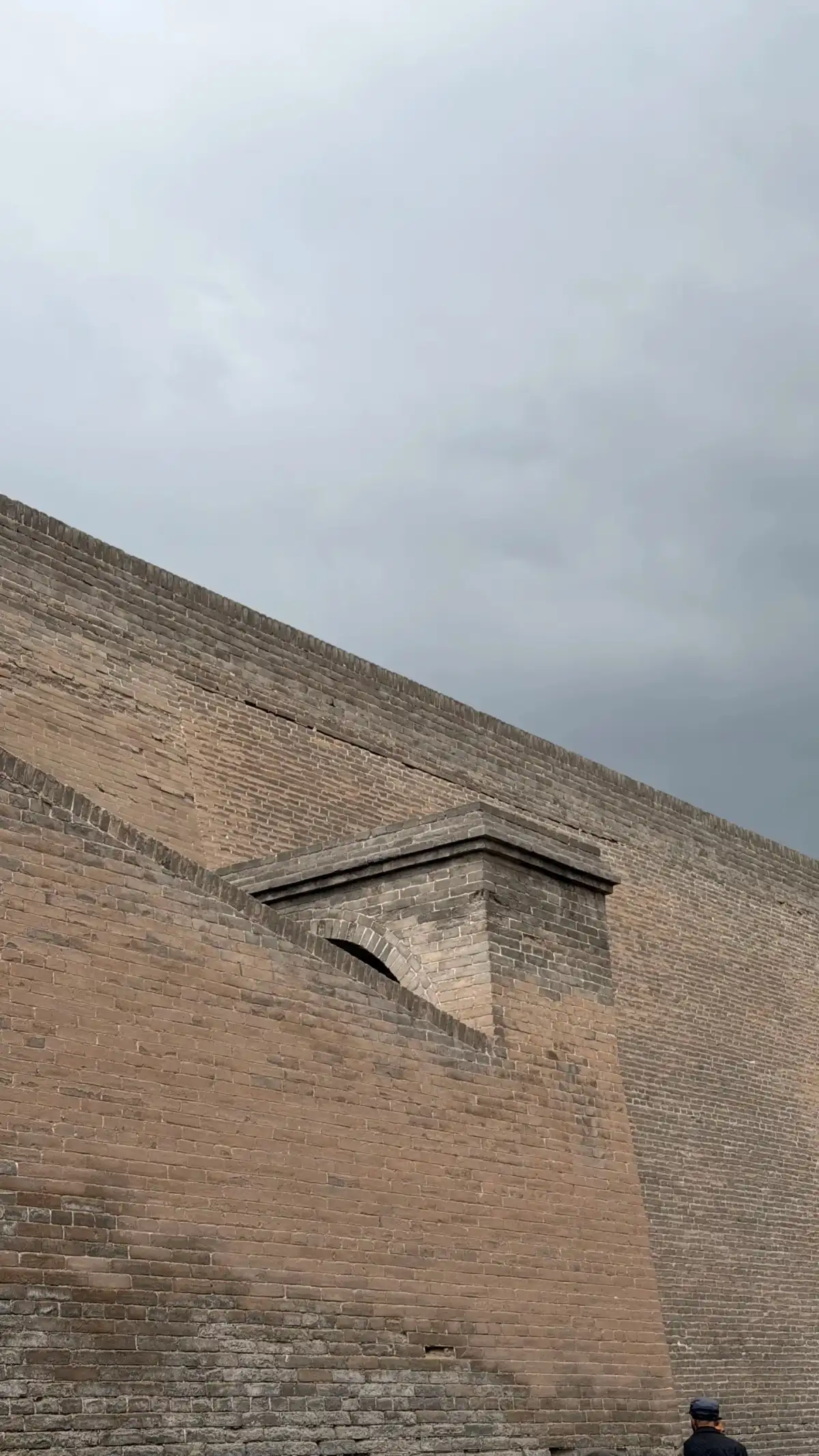
Pingyao’s expansive rammed-earth walls and brick-built projections. Photo:The Chancellor Comes to Tend Flowers · Original Post.
How the Three Threads Intertwine
Adding a temple to your itinerary within the ancient city creates a natural contrast. The ancient city helps you understand how daily life and commerce organize space, while the temple shifts your focus to art and architecture. Which temple you choose should depend on whether you’re more interested in colored sculptures or wooden architecture—not simply on which one tops a particular ranking list. When planning your itinerary, be sure to check the specific access routes, transportation starting and ending points, and return options for both the inner and outer parts of the city separately. Although they are part of the same heritage site, this does not mean that visitors can treat the various transportation segments as a single, naturally connected walking route.
If you wish to visit both temples outside the city walls, you can narrow your stroll through the ancient city to a specific theme, avoiding the need to treat each segment as a complete tour. Since time is limited on any given day, it’s more rewarding to focus on one main exploration, one comparative exploration, and a rest period than to rush through all three locations. If a guided tour is needed, specify whether your focus is on colored sculptures, wooden architecture, or commercial history; this allows the tour to be tailored to your interests. Do not assume that every guide offers the same level of depth or language support.
When documenting this journey, you can create three-panel index cards: Streets and Commerce, Figures and Colorful Sculptures, and Columns, Beams, and Timber Framing. In each panel, include only one verified piece of background information and one question you’ve formulated yourself. This way, when you return home, you’ll still be able to distinguish what you saw at each location, making it less likely to mismatch city photos with temple descriptions. Images must include clear location information and authorization; images from your original notes that lack authorization cannot be transferred to this new draft—publicly visible does not mean they can be reprinted.
When planning your visit, you can start from this sitePingyao Destination Guideunderstand the layout of the area, and then explain to your guide what you’re most interested in learning and the pace at which your companions prefer to explore. Pingyao’s richness doesn’t require travelers to cram in an endless number of stops; instead, it offers three distinct paths to explore thoughtfully. Knowing why you’re staying within the city walls, why you’re viewing the colored sculptures, or why you’re dedicating time to a wooden hall brings you closer to a themed cultural journey than simply memorizing the names of all the attractions.
Source and Editorial Notes
This article is an original travel interpretation compiled by the Dongxing Travel editorial team based on cited sources; it is not a firsthand account by the author. The full text of the original post has not been reproduced; accompanying images are used within the scope of authorization and are credited to the author and the source of the original post. They do not serve as proof of actual travel experiences or services provided by Dongxing Travel.
The Chancellor’s Flower Garden · Impressions of Pingyao · Travel Notes; Verified/Compiled on: October 3, 2026.
UNESCO World Heritage Centre · World Heritage Description of the Ancient City of Pingyao · Official sources; Verified/compiled on: October 3, 2026.