A letter begins as mere words on paper. To become a reliable connection, it requires a name, an address, classification, transportation, and delivery. Upon visiting the Shanghai Postal Museum, one can temporarily set aside the building’s grand appearance and first imagine these steps. In this way, the history of letters transforms from a display case of antiquities into a question of how a city organizes its exchanges.
建筑给人的第一眼印象,是很好的起点。其帖中涉及的年份与官方资料不同:虹口区政府记载上海邮务管理局于一九二四年十二月一日迁入大楼,二〇〇七年大修后博物馆开馆。本文按官方记录采用这两个节点,观察问题则由编辑整理。
From the outside, why does it need to be seen by the city?
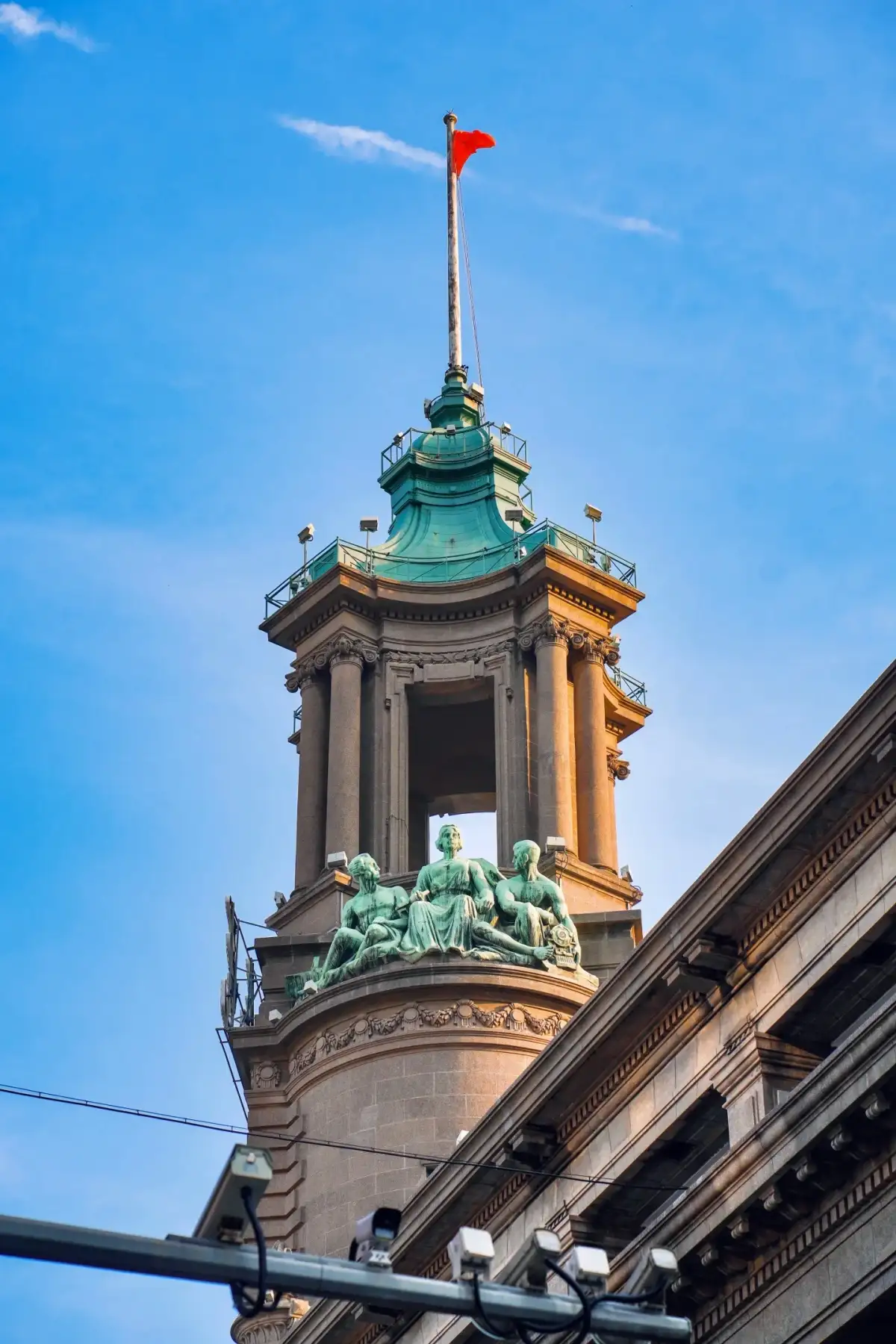
Standing in the designated public area, first observe how the building faces the street and the riverbank, then notice how the clock tower draws the gaze upward. The elevated elements and the continuous facade operate on different scales: the former aids identification from a distance, while the latter allows those approaching to perceive the building’s boundaries. By connecting the distant and close-up views, one can understand how public architecture serves both the city’s image and individual visitors.
Postal buildings readily evoke associations with time, given the waiting period between sending and receiving mail. A clock tower can serve as a visual entry point for discussing this experience, but one cannot infer a specific historical operational system based solely on the presence of a clock. A more prudent approach is to bring the questions raised by the building’s exterior into the exhibition: how does the city organize communication, how do people know where to deliver letters, and how do they understand the act of waiting?
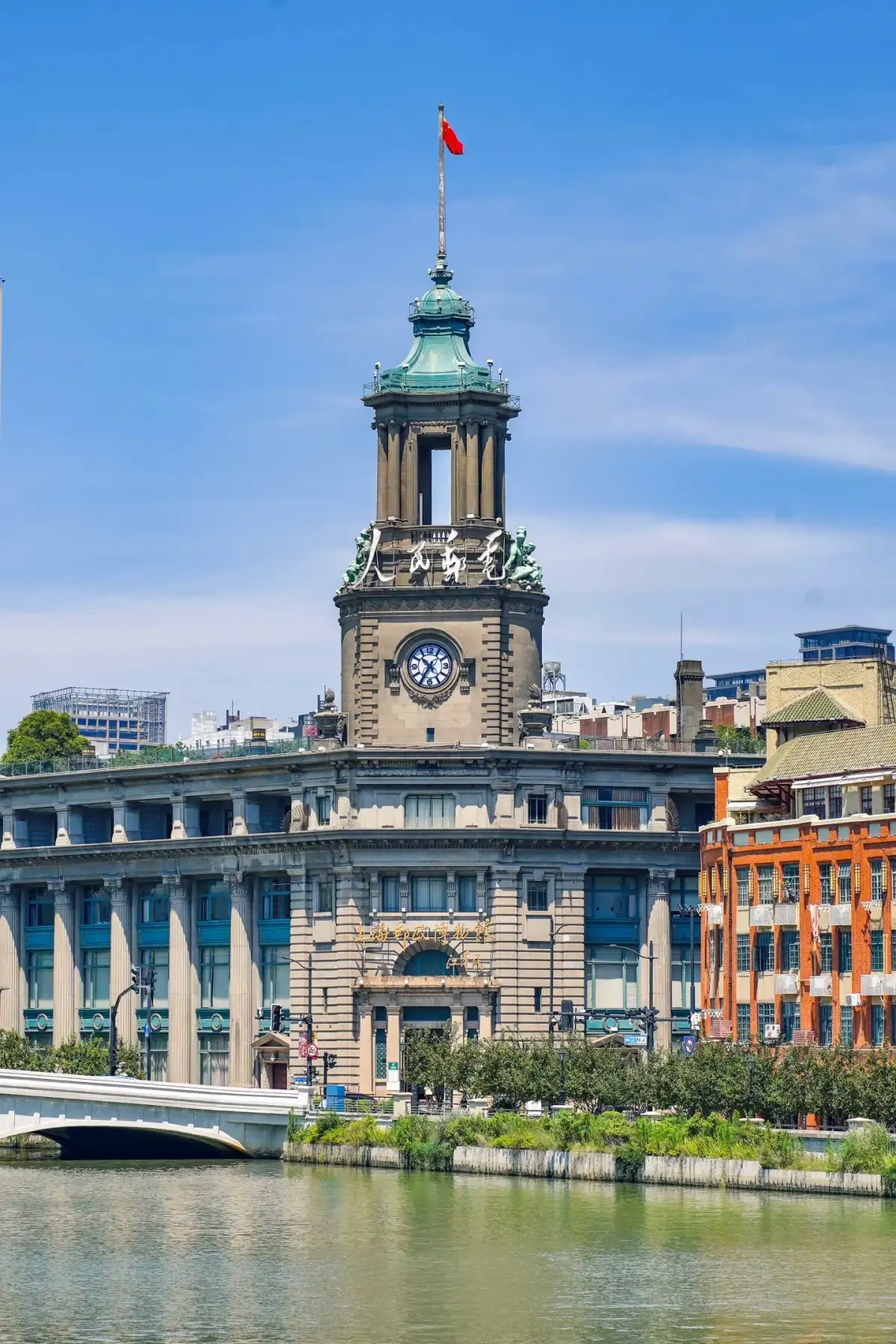
Architectural photography can capture an image that illustrates spatial relationships, followed by a close-up of a specific architectural detail of interest. Wide-angle shots present the dialogue between the building and its urban environment, while close-ups highlight scale or materials. If a photograph features only a beautiful clock tower, the postal theme can easily be lost; by including the building’s entrance, facade, or its relationship to surrounding streets, viewers will be better able to recall the context of the image when looking back at it later.
into the exhibition, reading along the trajectory of a letter
The first step is writing an address. An address transforms the recipient of a person’s message into a locatable destination. When viewing exhibits on letters, correspondence, or postal history, one can pay attention to how names and place names are recorded. Though the text may seem ordinary, it determines whether an object can locate a specific person within a vast urban network. Greetings sent to distant places, therefore, also embody a practical understanding of geography.
The second step is classification. Organizing items destined for different locations requires transforming individual differences into manageable categories. Whether a specific exhibit was used for sorting is indicated by its label; visitors can pose questions regarding size, markings, and purpose. An unassuming tool, when placed back within its working context, is far more interesting than a single photograph of a “vintage object” taken in isolation.
The third action is movement and delivery. The process of overcoming distance often involves a series of hand-offs between many people. As you read the historical introduction, look for a section that discusses organization or transportation, and try to draw simple arrows to illustrate the relationships between who receives the items and who passes them on. These arrows will help you understand that communication is not a straight line between a sender and a recipient, but rather a process that requires the collaboration of intermediaries to be completed.
These three steps constitute a method of visiting the exhibition, not a description of the sequence of display cases within the museum. You can follow the on-site exhibition route and reconnect to a particular step when you reach the appropriate object. Some materials discuss institutional systems, while others showcase personal lives; together, they complement each other to explain why a letter might reach its destination. Allow yourself to linger in front of a single object; there is no need to incorporate all the materials into a single narrative.
transform old production spaces into museums, and what kind of distance is left behind
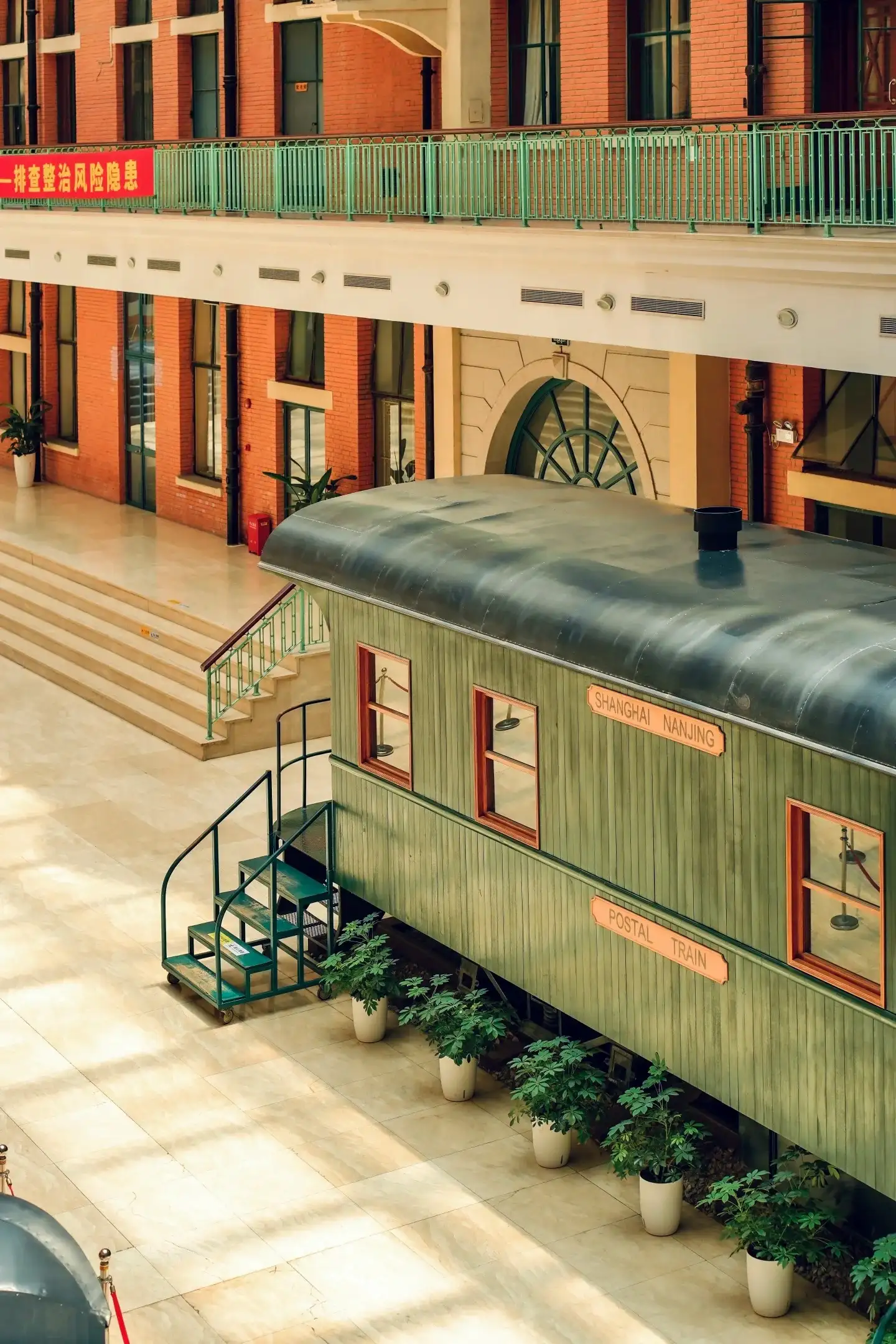
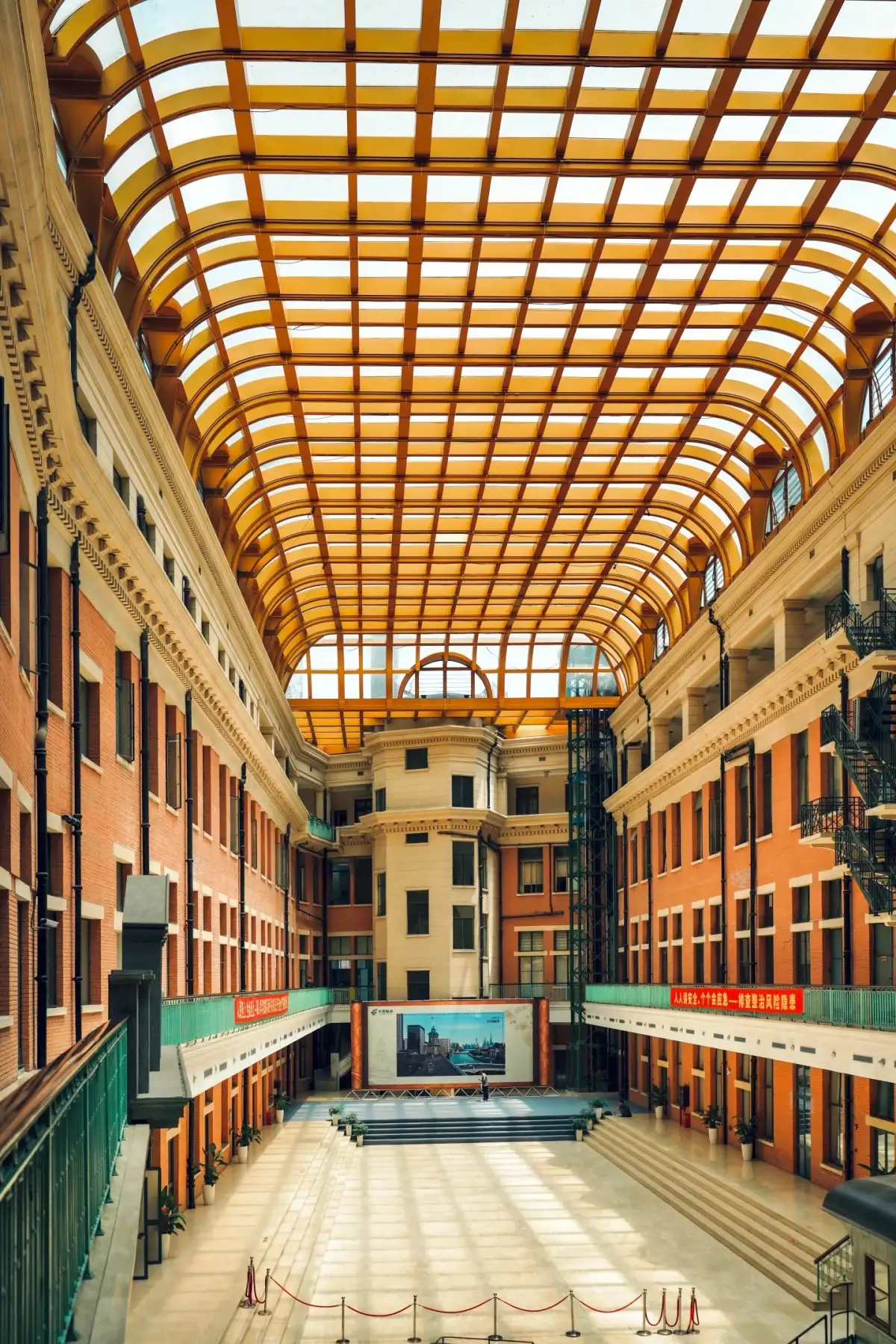
According to the Hongkou District Government, the original first-floor atrium and the second-floor production facilities on the Tiantong Road side were converted into museum spaces following a major renovation. This transformation offers another clue for visitors: the spaces now used for viewing and understanding once served practical functions. The building and the exhibits thus do not merely juxtapose two eras; they also relate to the transformation of spatial functions.
When viewing the atrium, one can first grasp its scale, lighting, and the relationship between the upper and lower levels; upon seeing the explanations of the former production areas, one can then imagine the needs of the people who worked there. Do not retroactively interpret today’s display case layout as reflecting past operational positions; specific working methods require support from historical images or descriptions. What can be ascertained is that this interpretation takes place within a building that has undergone a change of use, which in itself lends a spatial dimension to the concept of time.
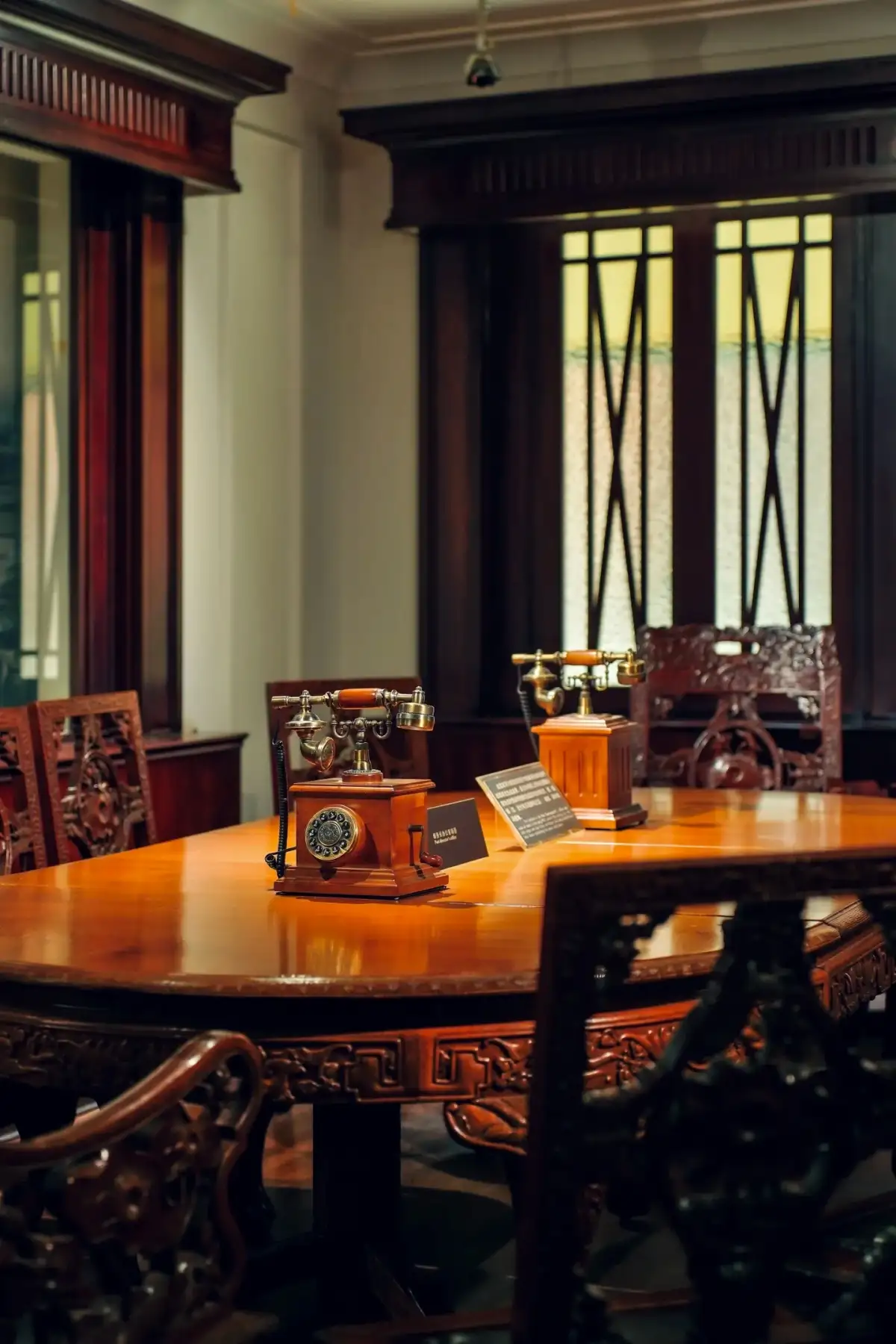
For those interested in industrial and urban history, this shift in use warrants a separate consideration. For those who simply wish to view the architecture, the question can be simplified to: How do today’s visitors enter the building, and what kind of workspace might past employees have required? One question focuses on the present-day experience, while the other awaits an answer from historical records. When both coexist, the building ceases to be merely a well-preserved shell.
How can this visit be organized to be both lighthearted and comprehensive?
If you have only a short amount of free time, prioritize experiencing the relationship with the building’s exterior and the three-step process of reading a letter. First, form an impression of the building; then, select a few exhibits that relate to the communication process; and upon leaving, summarize the aspect that interested you most in a single sentence. This approach retains more substance than spending the entire short visit taking photos, and it pairs well with a stroll through the nearby city. Opening hours and the specific schedule for your visit should be confirmed with the museum; this article does not specify a fixed duration.
Bringing children along can transform complex history into a “address game”: within the same city, how should one describe a location to ensure a letter isn’t delivered to the wrong address? An adult writes a vague place name, and the child adds a more specific location; this then connects to the exhibition’s exploration of how people in the past handled addresses from distant places. The game can be played during breaks, without touching the exhibits or occupying space needed for others to pass through.
When accompanied by elders or peers who experienced different eras of communication, a dialogue centered on “waiting” can unfold. Some are accustomed to instant messaging, while others recall how writing letters required careful phrasing and planning; these personal memories can aid in understanding the exhibition, but each companion’s experience belongs solely to them. In this journey, there is no need to fabricate stories for them—simply leave the questions open and invite authentic exchanges to take place.
Finally, select an object to serve as a memento of this journey, recording its name and the message that explains it. A photograph preserves the building’s appearance, while a brief note captures its role in the communication process. When these two elements are combined, viewing the image later allows one to recognize that what is being seen is not merely an old object, but a means of making connection possible.
Urban perspectives in Shanghai often center on skyscrapers and city blocks. The Postal Museum adds a finer scale: how messages travel between those buildings and the streets, and how people are precisely located. InIntroduction to Shanghai DestinationsWhen planning your next destination, this question can continue to follow you as you move through the city.
Sources and Editorial Notes
They do not serve as proof of actual travel or services provided by Dongxing Travel.
Hongkou District People’s Government of Shanghai · “The First in the Far East”: A Time-Honored Brand—A Tour of the Shanghai General Post Office Building · Official documentation; Verified/compiled on: October 3, 2026.
Architecture and exhibition
Start at Shanghai Postal Museum by reading the setting of Shanghai postal architecture, then follow receiving, sorting and delivery through the exhibits. For a short Suzhou Creek cultural walk, choose one object and one external viewpoint. Do not assume all indoor or rooftop spaces share the same access.
Locate the exhibition entrance
Check the museum's exact name, current opening information and reservation instructions. Another entrance in the same building may not serve the exhibition. Follow photography notices for displays and views, shorten outdoor stops in rain, and identify the correct road side for pickup.
Planning references