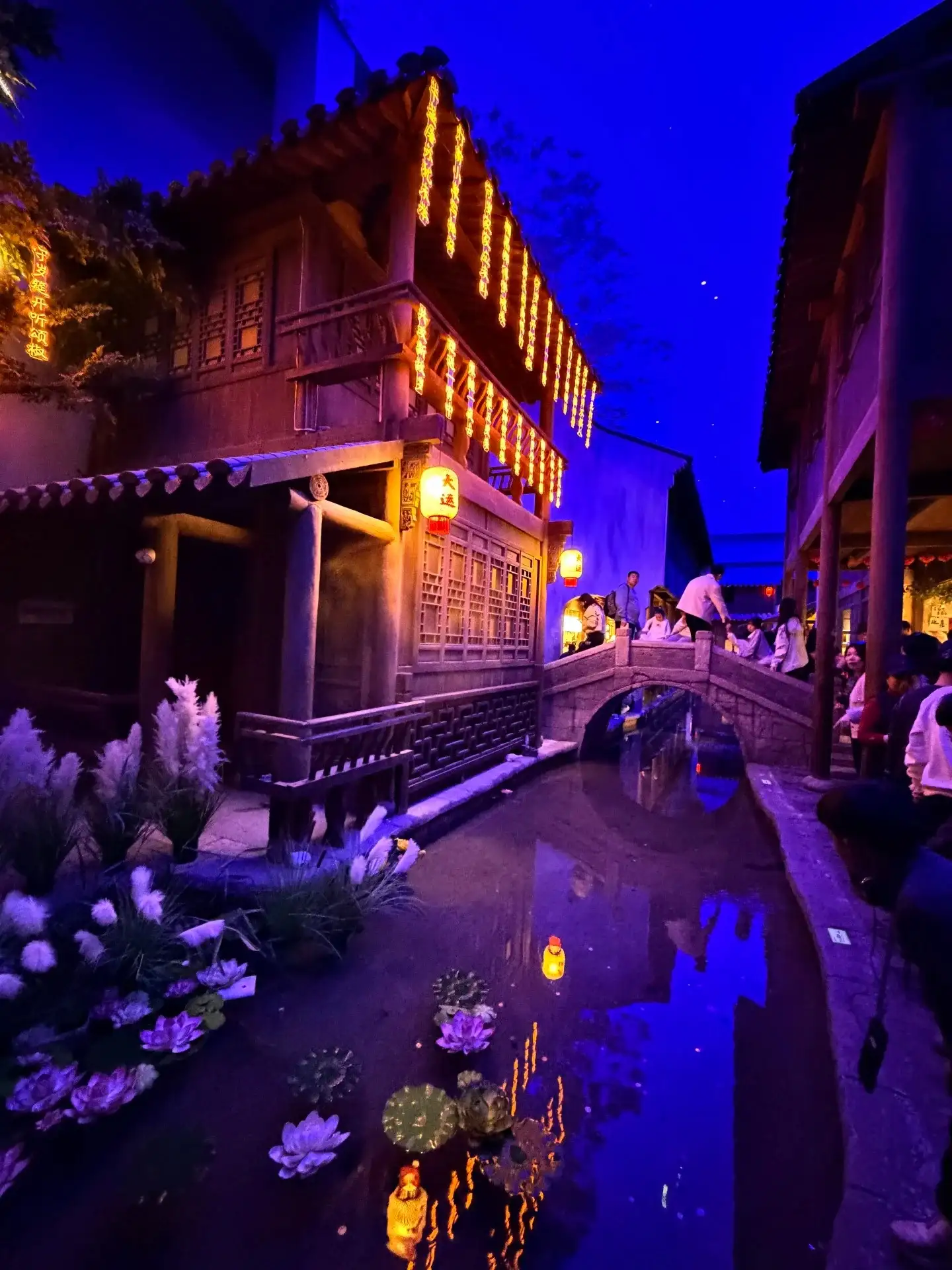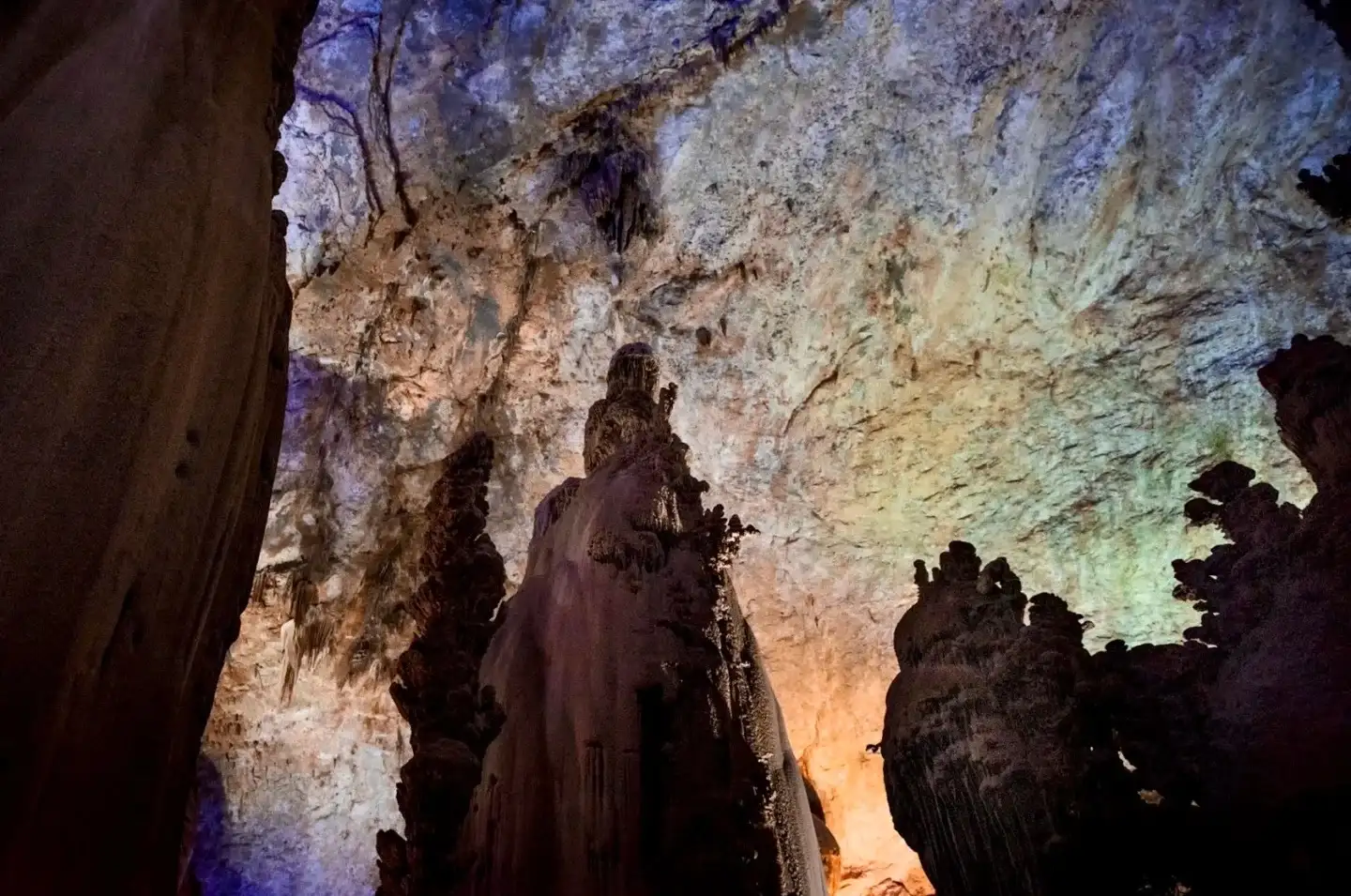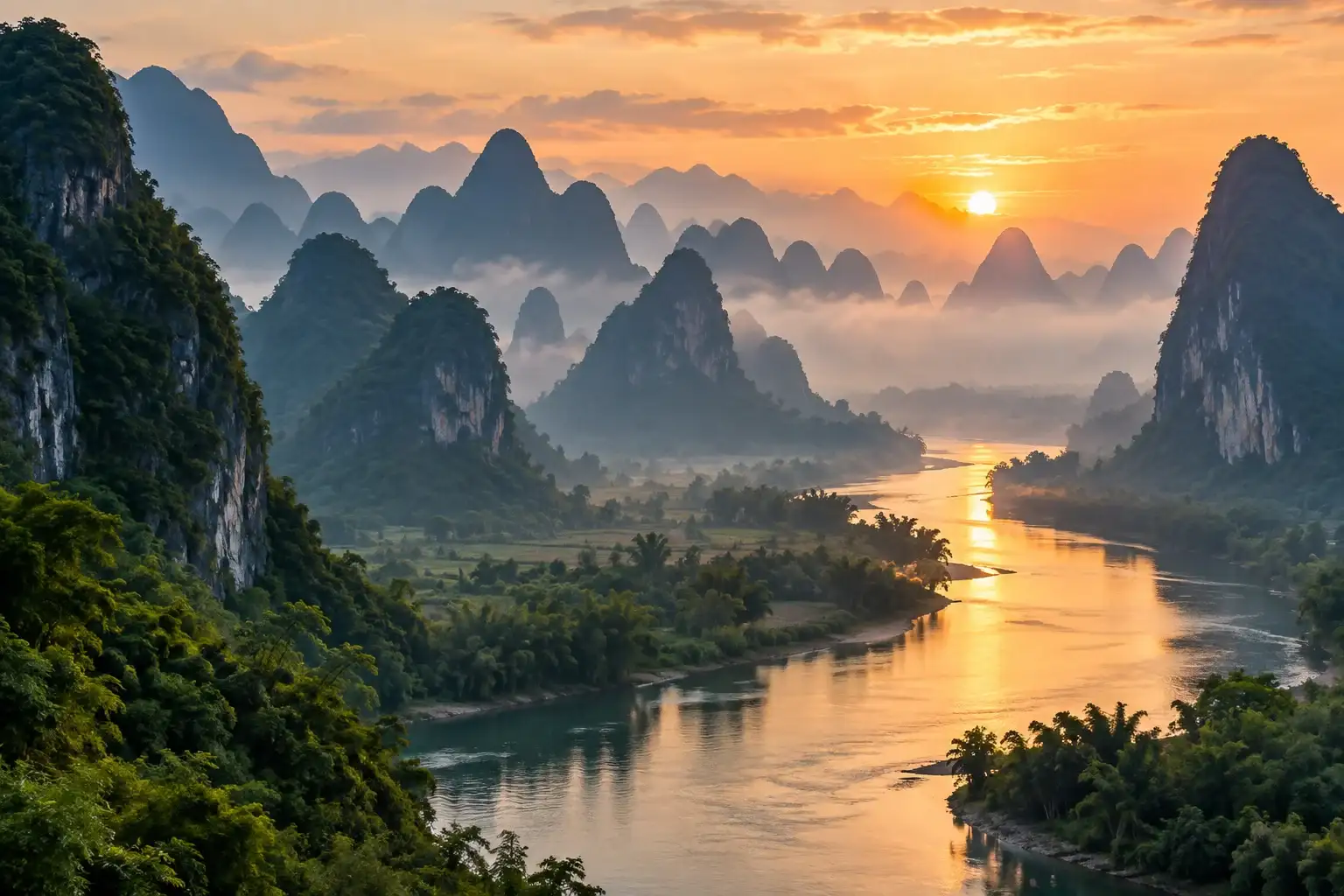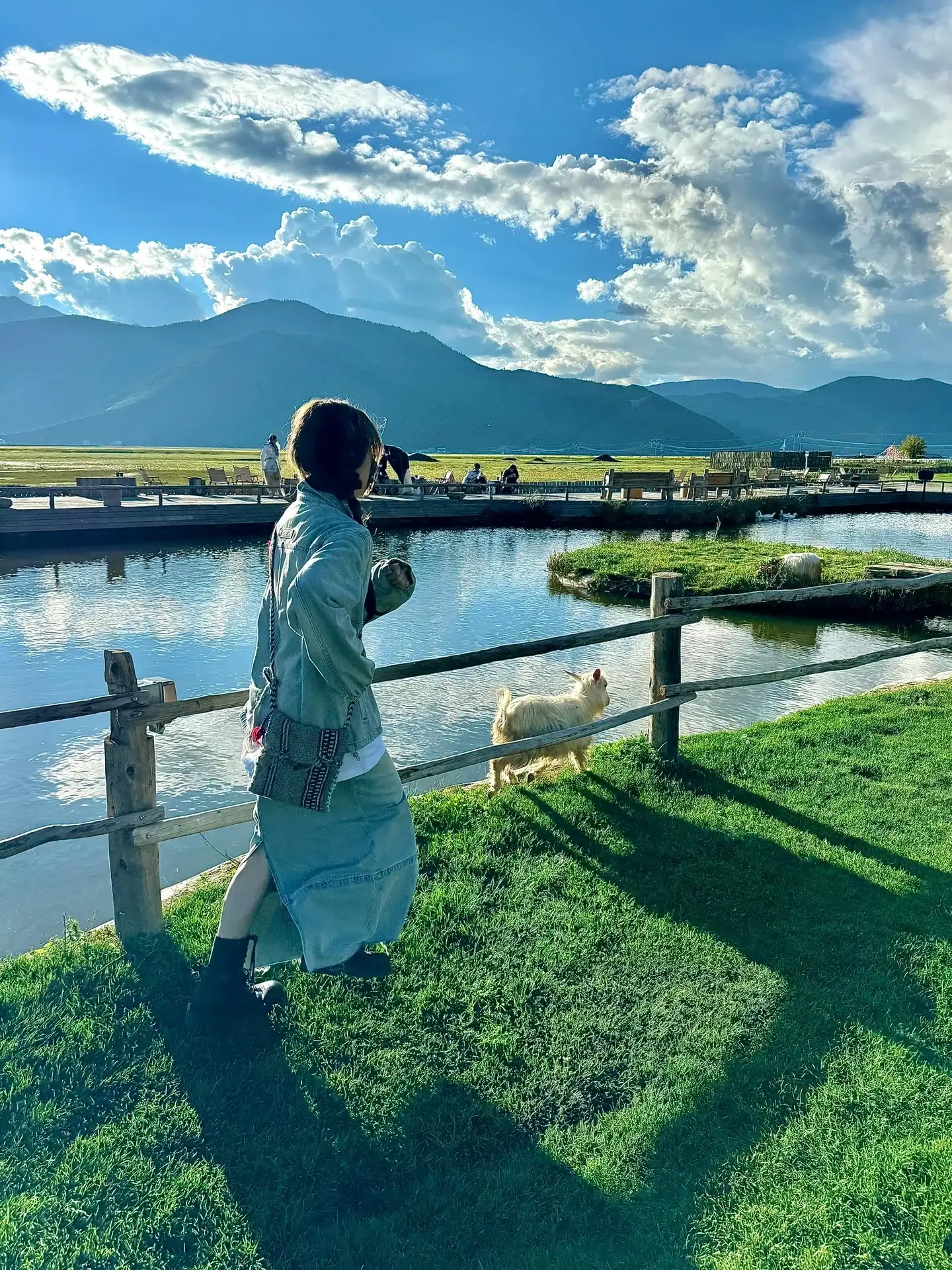
A set of travel photos from Shangri-La may feature temples, ancient cities, grasslands, lakes, and snow-capped mountains all at once. After viewing them, travelers may be tempted to plan a two-day trip to capture all these scenes. Only when actually planning the itinerary do they realize that these photos do not all come from the same compact area. Napa Lake is particularly worthy of a separate discussion: it can serve both as a scenic backdrop and as a journey to explore high-altitude wetlands, and the itinerary will change depending on which option you choose.
小红书作者野生璐子把纳帕海与城镇活动放在两天计划中,一朵朴的摄影清单则扩展到普达措、梅里与雨崩等地。两个原帖都展示了吸引人的画面,也说明“香格里拉照片”这个名称覆盖的旅行愿望可能很广。本文挑出纳帕海这一项,帮助首次来到滇西北的家庭把近处停留与远端扩展分清。
The surface of Napa Lake naturally changes over time.
Introduction to Protected Areas by the Yunnan Provincial Bureau of Forestry and GrasslandsNapa Lake is described as a representative seasonal lake wetland, and the text introduces lakeside marshes, meadows, aquatic plants, and bird habitats. Information verified on October 3, 2026. This background explains a common question: why, under the same name, does the area sometimes look more like a lake and other times more like an open grassland in different travel photos.
Travelers can treat this variation as part of the viewing experience. Observe where the water meets the grassland, how distant mountains frame the space, and in which environments animal activity occurs. The focus of the photos then shifts from “I must capture that specific stretch of blue water” to “What kind of wetland did I see this time?” Those seeking reflections on the water and those who prefer wide-angle views of meadows and mountains can each capture their own unique scenes during the same stop.
“Will I definitely see a certain type of bird at Napa Lake?” The birds listed in the reserve’s introduction indicate the area’s habitat value but do not guarantee that every visitor will see them in every season. Birdwatching requires consideration of the season, location, and animal activity, and visitors must also adhere to designated access areas. Those interested in birdwatching can inquire in advance with local authorized services about current sightings and prepare alternative observation options in case they don’t spot their target species.
For sightseeing stops and a loop around the lake, start by choosing a main route
If a family simply wants to take in the open landscape for a moment between activities in town, they can choose a legally accessible observation point with clear access routes. Upon arrival, take in the overall view first, then snap a few photos, and set aside some time to stand quietly and take it all in. This type of brief stop is ideal for travelers who have other specific plans for the day. Its value lies in experiencing the highland landscape beyond the town, without having to drive the entire circuit just to prove you’ve been to Napahai.
If wetlands are the focus of the day, you can scale back other activities to allow time for multiple designated observation points. When discussing the itinerary with your driver or guide, specify that you wish to compare different aquatic and grassland environments, rather than simply requesting a “full loop.” Each stop should ensure safe parking and access conditions; which specific road sections are passable and where parking is permitted are determined by current management guidelines and on-site conditions. Route length is merely a tool; it is the observation objectives that determine where it is worth stopping.
“Should I bike, hire a private car, or take a taxi?” First, consider whether your travel companions can independently handle the route and return trip. If your group includes elderly family members, children, or a lot of equipment, a well-coordinated transportation arrangement may be more convenient; those who wish to cycle on their own should separately assess their own abilities, road conditions, and weather. The personal experience described in the original post does not mean that every option is suitable for everyone. Clarifying pickup and drop-off points, waiting times, and return arrangements in advance can reduce the stress of scrambling to find transportation after sightseeing.
A cup of coffee is enough to enjoy the view, but the wetlands offer so much more.
The original post linked coffee shops with views of Napa Lake, reflecting an easily understood traveler’s desire: to sit down and admire the landscape through a window or from a terrace. When selecting such spaces, first confirm the actual direction they face, the seating arrangements, and the business requirements. A window suitable for chatting and relaxing may not be ideal for birdwatching; those who wish to closely observe wetlands might prefer using binoculars at a designated observation point. Both experiences serve their own purposes.
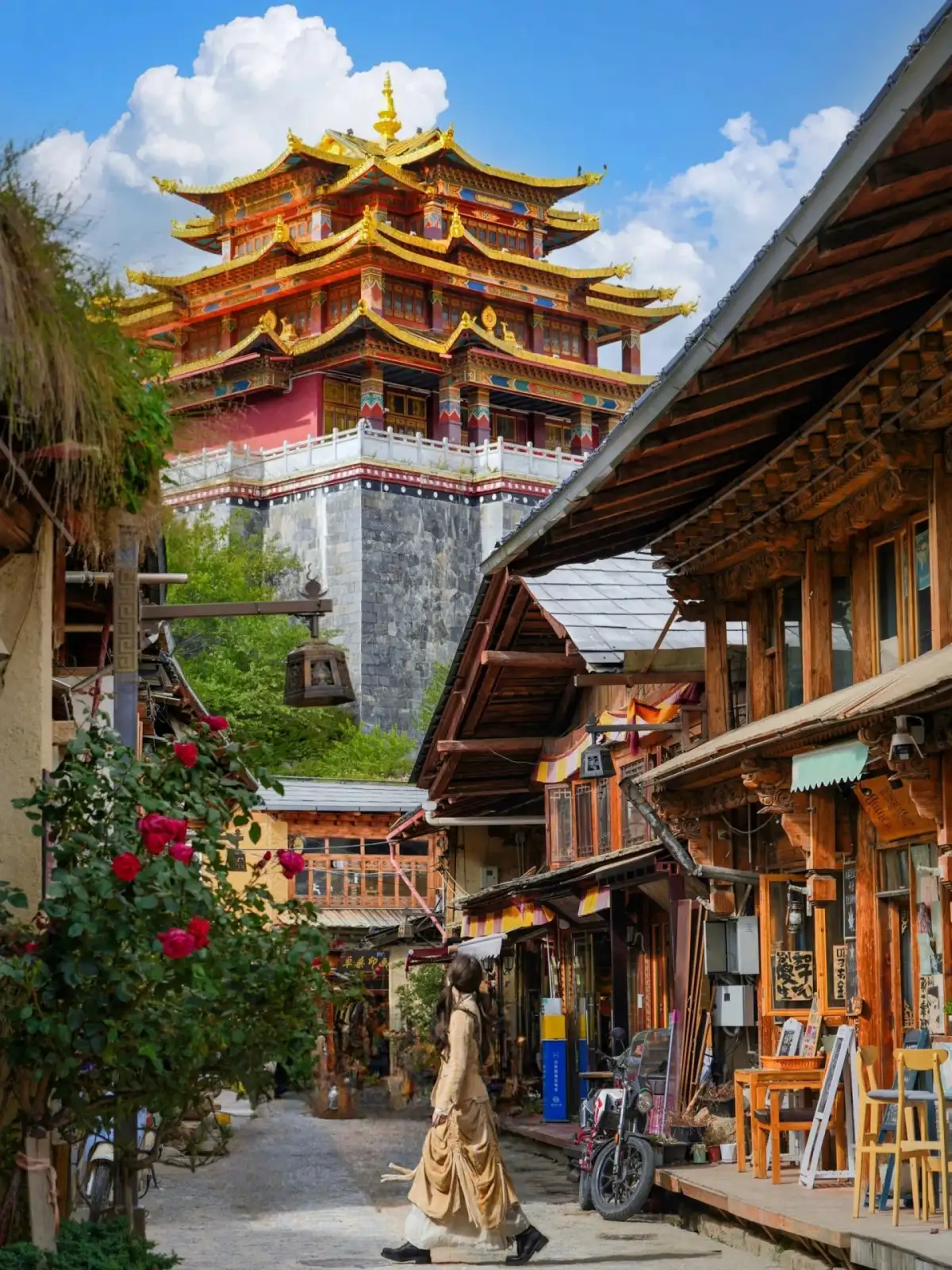
Wooden shops line the street, with buildings featuring golden-yellow roofs visible in the distance, and pedestrians walking sideways along the street. Photo:A Flower of Simplicity · Original Post.
When traveling with parents, you can combine taking a break with outdoor observation. Start with a brief period of sightseeing, then enjoy a drink in a designated seating area; this makes it easier to maintain a natural rhythm. When traveling with children, choose a specific observation subject for the day—such as the boundary between water and grass or the silhouette of distant mountains. Constantly changing photography spots involves more movement; focusing discussions around a single setting is often more suitable for families.
When photographing wildlife, try to capture its relationship with the environment from a distance. Using a telephoto lens reduces the need to get too close, allowing you to tell a compelling story even with smaller animals. Access to the ground, grasslands, and water’s edge is subject to management signs and staff instructions. If you want a grassland backdrop, look for angles from legally accessible locations; venturing into wetter or more remote areas does not automatically result in better photos.
A day in town and a day in the wetlands can each have their own theme.
The pace of exploring Dukezong, visiting monasteries, and observing the wetlands differs. The ancient town is better suited for strolling through alleys, dining, and resting; monastery visits involve architectural and cultural explanations and require respect for on-site etiquette; Napahai, on the other hand, shifts the focus from architecture to the natural environment. When planning your itinerary, you might dedicate one day to exploring the town’s culture and another to the wetlands, adjusting as needed based on your actual arrival time, rather than switching between all photography styles continuously from morning to night.
Those planning a fashion photo shoot should first clarify the shooting location and services involved before deciding whether to combine it with nature observation on the same day. Makeup, styling, costume changes, framing shots, and photo editing all take time. For those who simply want casual family photos, however, there’s no need to rearrange the entire itinerary. If travel companions have different preferences, you can agree on short segments to do together, then set aside time for individual interests, ensuring everyone on the trip has a clear schedule.
Wetland management is also constantly evolving.Official information from Shangri-La City, August 2026The text mentions water levels, the water cycle, wetland management, and tourism service protocols. This indicates that the landscape and services are subject to active management; one cannot assume from a travelogue written a year ago that every stop, horse ranch, or activity is still operating in the same way today. When inquiring about the itinerary, specific locations and current operational details should be confirmed together.
snow-capped mountains in the distance, and provide its complete travel location.
A photo list featuring Puku includes Mount Meili and Yubeng, which can easily lead first-time travelers to mistakenly believe they are all consecutive locations near the town of Shangri-La. Including these destinations in your itinerary requires separate arrangements for transportation, accommodations, and specific activities; you cannot simply tack on another name after an afternoon at Napahai. If time is limited, stick with the combination of the town and the wetlands for now; if you’re willing to extend your trip, we can discuss the practical details of these more distant destinations separately.
Pudacuo can also be explored as a standalone natural attraction.Official Description of the Scenic AreaIt consists of landscapes such as lakes, forests, and pastures; please check announcements for specific attractions open during your visit. Those who enjoy forest walks may prefer to set aside a full day for this area, while those who prefer open wetlands may prefer to take their time exploring Napahai. There is no single “better” option; it’s more helpful to consider how you’d like to spend your day.
For Chinese travelers arriving from abroad, when making inquiries, clarify whether your primary interests are nature photography, birdwatching from a distance, family photos, or cultural architecture, and provide your arrival and departure times. If you have personal health concerns regarding acclimatization to the high-altitude environment, consult a medical professional in advance; do not rely on others’ subjective experiences as a guarantee for your own well-being. What makes Napa Lake worth seeing is the space created by the interplay of water, grass, mountains, and life; give it enough time, and your photos will reveal their own unique stories.
Source and Editorial Notes
This article is an original travel interpretation compiled by the Dongxing Travel editorial team based on the cited materials; it is not a firsthand account by the author. The full text of the original post has not been reproduced; accompanying images are used within the scope of authorization and are credited to the author and the source of the original post. They do not serve as proof of actual travel experiences or services provided by Dongxing Travel.
Wild Luzi · Traveling with J People | Shangri-La Edition (Two Days and One Night) · Travel Notes; Verified/Compiled on: October 3, 2026.
Yi Pu · I flew all the way to Shangri-La just to take these 18 photos‼️ · Travel Notes; Verified/Compiled on: October 3, 2026.
Yunnan Provincial Forestry and Grassland Bureau · Napahai Provincial Nature Reserve · Official information; Verified/compiled on October 3, 2026.
Shangri-La Municipal People’s Government · Napa Lake Comprehensive Ecological Conservation and Management Project · Official information; Verified/compiled on October 3, 2026.
Pudacuo National Park · Official Introduction to Pudacuo · Official information; Verified/compiled on October 3, 2026.