paths between the rock peaks adds a wealth of imagination to an ordinary family stroll. Children might say this one looks like an animal and that one like a castle; adults will notice how the towering stone peaks slice through the sky. Upon reaching the landscapes associated with Ashima, the conversation shifts from rocks to a person’s name. Within the same scenic area, natural formations meet narrative traditions, providing plenty of topics for family discussions during a trip to Kunming.
小红书作者是桓桓呀记录了与老人孩子一起看大石林、小石林的过程,特别注意密集石峰与较开阔空间的差别。这个观察很有用:家庭成员不必以同一种速度看完整条路线。可以在密集区感受空间,在开阔处留出合照与休息,再用阿诗玛的故事把当天的见闻连起来。
The shapes of the rocks provide a sense of scale for the body
World Heritage Center’s introduction to the Southern KarstIncluding the Stone Forest in the series of heritage sites highlights its outstanding karst formations. The landform features here can serve as a backdrop for observation, but the boundaries of the heritage site should not be equated with the entire ticketed area of the scenic zone. October 3, 2026 After reviewing relevant official materials, the most useful information for family visitors is to view the stone peaks as authentic features of the geological environment.
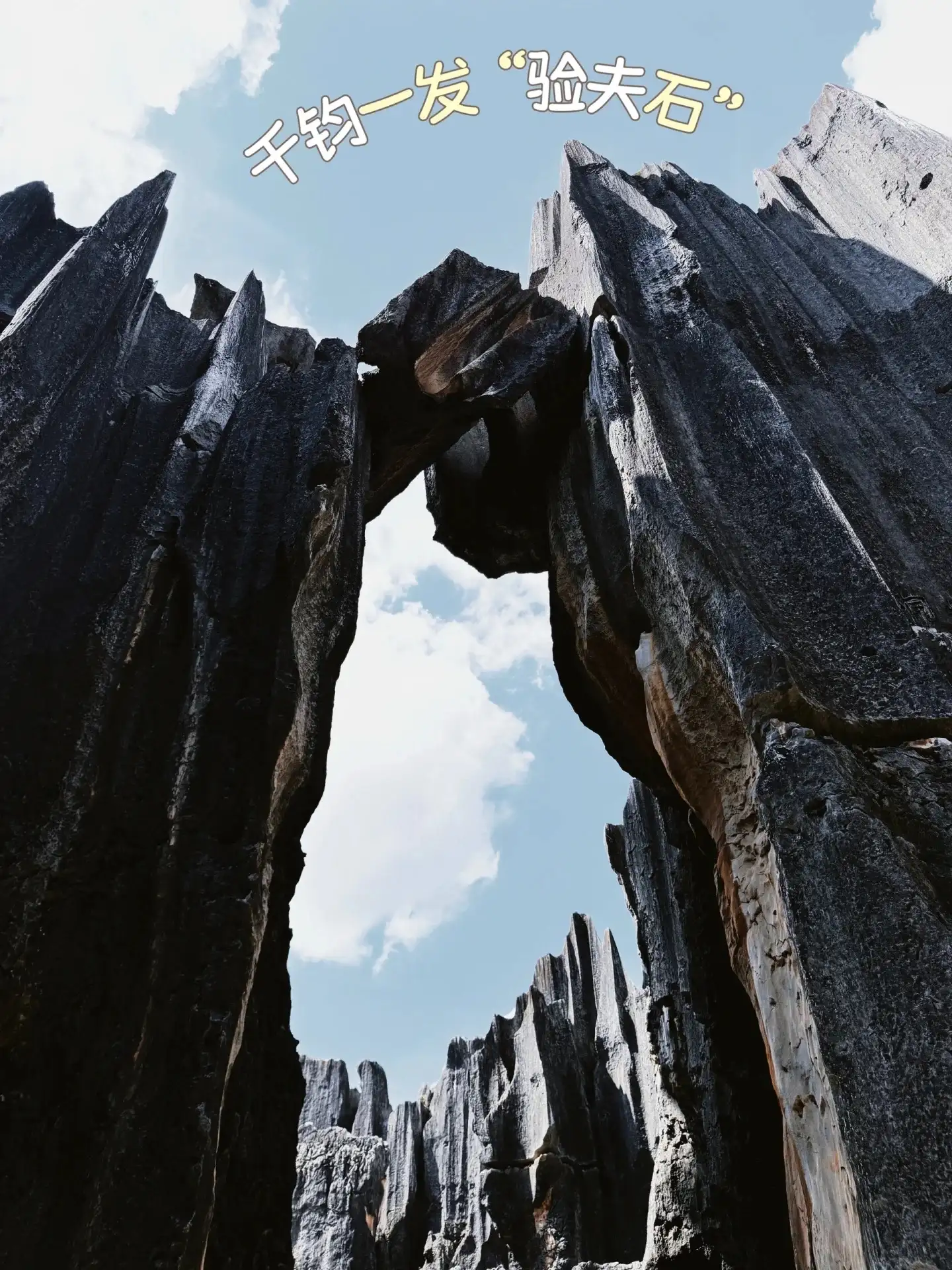
Walking among the densely clustered stone peaks allows children to notice how their field of view changes. Before rounding a bend, only a single rock is visible; after rounding it, another row appears, and the path unfolds amid variations in elevation and obstructions. Standing at a designated viewing spot and looking up, the sky appears narrower; in more open areas, the ground and the entire rock formation come into view. Such visual comparisons are easier to understand than simply memorizing a dozen or more pictographic names.
Some people prefer to stand at a high vantage point to take in the whole scene, while others prefer to observe the details from a level surface. The day’s open trails, stairways, and the abilities of your companions together determine how far you can go. Group photos can be taken in more open areas to capture both the scale of the stone peaks and the people in the frame. Climbing non-designated rocks to get a higher vantage point will alter what was originally a leisurely family route and may also obstruct the passage of others.
"Ashima" as Told by People
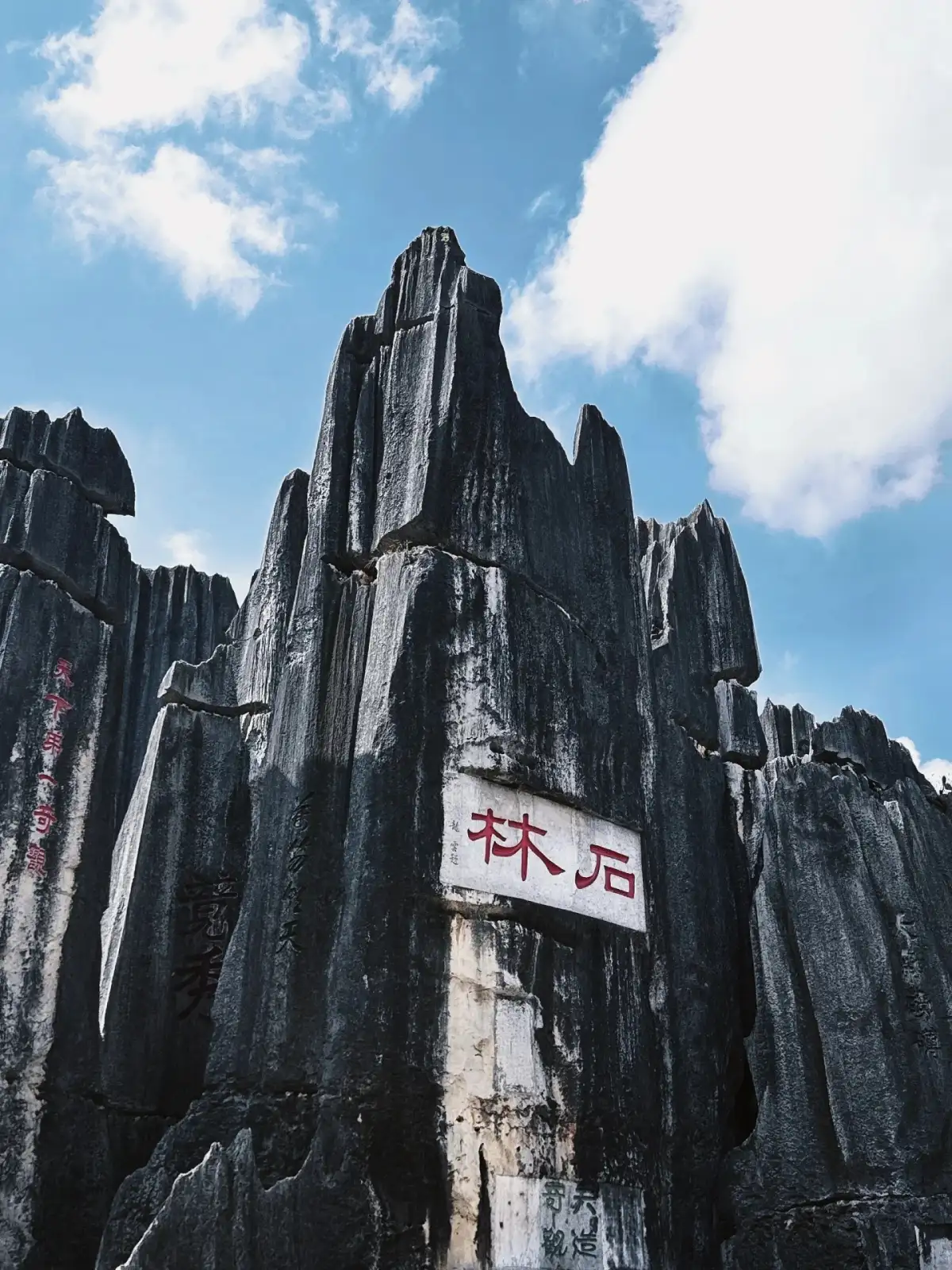
area and looking up at the soaring stone pillars, the red characters “Stone Forest” are visible on the rock face. Photo:It’s Huanhuan! · Original Post.
Project materials from the China Intangible Cultural Heritage Networkexplanation, *Ashima* is a narrative epic poem passed down among the Sani branch of the Yi people in Yunnan’s Shilin Yi Autonomous County; it was originally composed in the Sani Yi language. The story has been passed down through generations of oral storytelling, and its language is closely intertwined with local life. It deserves to be recognized as a literary tradition, and the corresponding rock formations within the scenic area provide visitors with a visual gateway to remember the story.
to children, you can first clarify that “Ashima is a name from a story,” then read a brief, age-appropriate story summary that has been verified. Next, observe the contours of the stone peaks and ask the children why people associate a particular formation with a familiar name. How natural formations are created and how people name them can be discussed on the same day; both topics are fascinating and require their own explanations.
If family members are only familiar with Chinese-language films or songs, this is the perfect opportunity to take their understanding a step further: what is the relationship between the on-screen portrayal of Ashima and the local oral narrative tradition? Different versions may highlight different characters and plotlines. If you encounter a guide with relevant knowledge, you can ask them to explain the basis for the current narrative, rather than expecting the story to be exactly the same everywhere. This allows cultural tours to retain a human voice.
How to Allocate Attention Between the Large and Small Stone Forests
from the original post, the editor suggests focusing more on the sense of movement through the stone peaks in the Great Stone Forest, and on the complete forms, stories, and family photos in the Little Stone Forest. This is a division of observation roles, not a ranking of the two sites’ merits. If elderly companions prefer open spaces, you can moderately shorten the continuous walking on denser paths; if children enjoy searching for shapes, spend a little more time in areas where conditions permit.
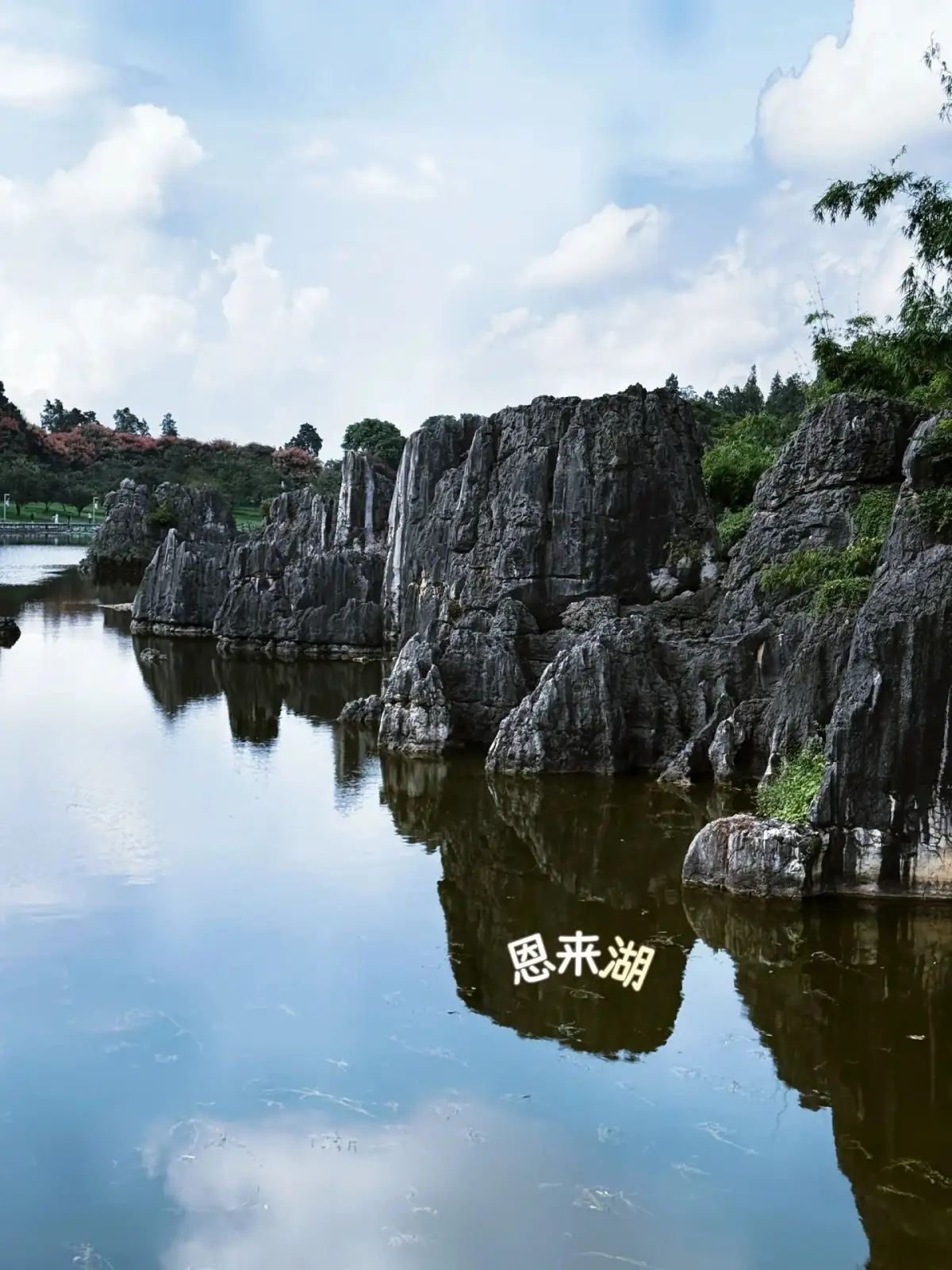
lake surface reflects rows of limestone cliffs and white clouds; the image includes a description of the scenic spot. Photo:It’s Huanhuan! · Original Post.
“Do we have to see every single marked site?” A family itinerary can center on two or three specific experiences: walking among the stone peaks, viewing a relatively complete cluster of them, and then gaining a clear understanding of the Ashima cultural context. Allowing time to pause at each experience will make the tour more fulfilling than simply rushing from one name on the map to the next. When traveling in a large group, agree in advance on a meeting spot after taking photos; this will also reduce the need to search for one another when the stone peaks block your view.
, do not estimate travel time by working backward from personal timings noted in your journal. On the day of your visit, confirm the open areas and transportation options using the official guide, and factor in the physical stamina of your companions. While sightseeing vehicles are used for transportation, this does not mean you will not have to walk at all after getting off. Families with strollers or special mobility needs should contact the scenic area with specific route inquiries to avoid assuming that every section is easily passable based solely on the general overview map.
When to Use a Camera vs. a Sketchbook
photographers can first take a shot of the entire scene, then select a rock formation with a distinctive shape. When children draw the stone peaks, adults need not insist on accuracy; it is enough if they can describe the edges, shadows, and gaps they see. Group photos should be taken in open areas where the family is willing to linger, without feeling compelled to photograph every famous rock. This pace accommodates different interests and allows those waiting for their turn to take photos to engage in their own activities.
lunch or during a break, you can compare photos and drawings to see how the same rock appears differently to different people. Imagination is an excellent aid to memory, while interpretive signs provide names and facts. By juxtaposing “what I think it looks like” with “what the information says it is,” children will gradually come to understand that observation and interpretation can coexist. Adults, too, can rediscover structures they had previously overlooked through the gaps in a child’s drawing.
If you encounter a local cultural exhibition, start by reading the explanatory notes to understand the specific connections between the content and the traditions of Ashima or the Sani people. Costumes, dances, and music each have their own contexts; do not extrapolate a single performance seen during your trip to represent the lives of all local people. If you wish to purchase related items, ask about the materials used, the names of the patterns, and how they are used, so that your souvenirs correspond to what you have genuinely learned that day.
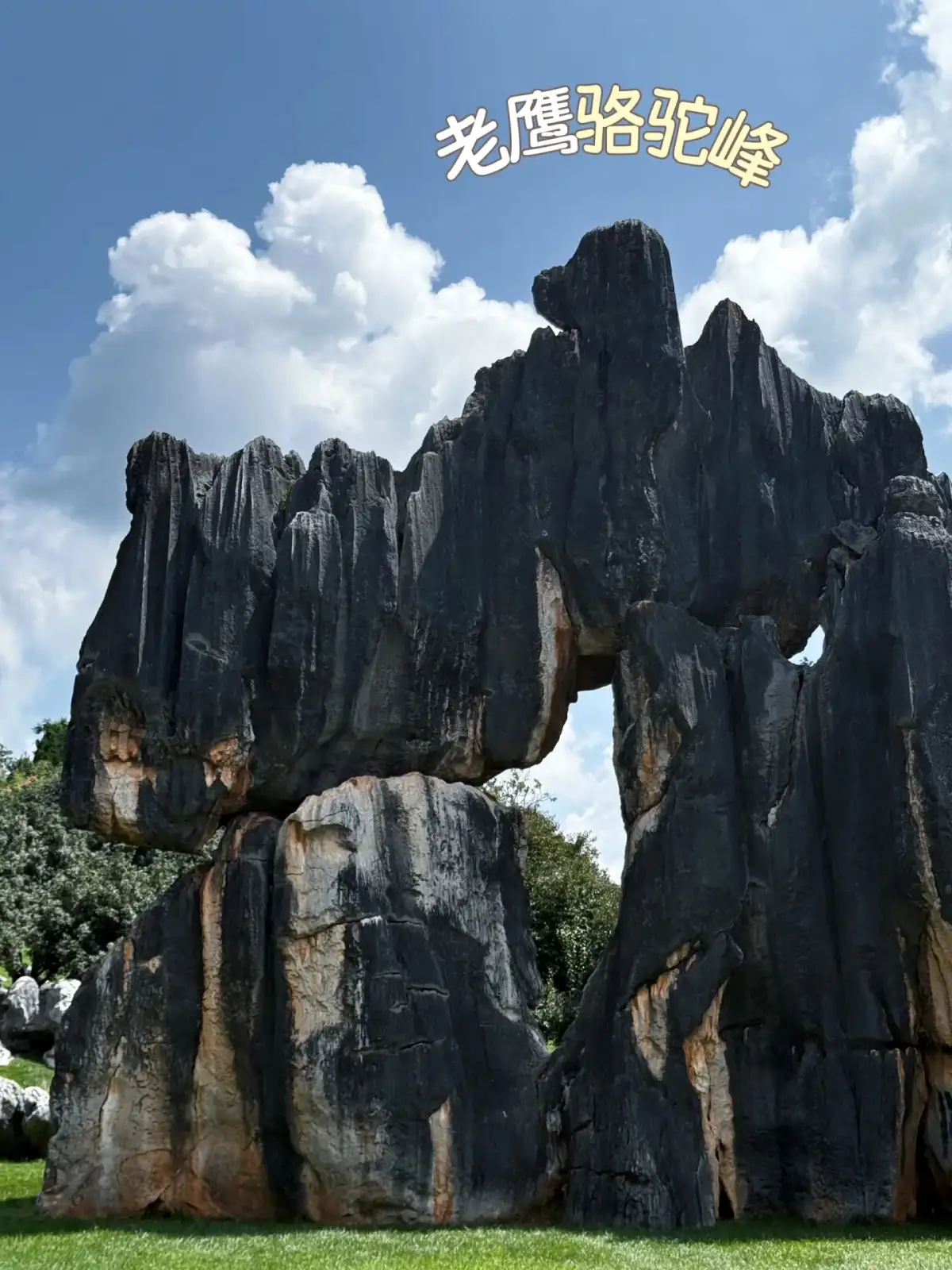
open sky, the stone forest’s rock columns and the opening in the center are accompanied by a caption describing the landscape. Photo:It’s Huanhuan! · Original Post.
Before returning to Kunming, bring this day to a fitting close.
“Is the Stone Forest suitable for families visiting China for the first time?” Families who appreciate natural formations and enjoy telling stories as they walk will find common ground here. If fellow travelers are only interested in shopping in the city or indoor leisure activities, it’s important to confirm their interests first and then set aside dedicated time for the Stone Forest. When incorporating a visit to the Stone Forest into your Kunming itinerary, be sure to also consider round-trip transportation, meals, and other activities for the day. Check the shuttle schedule from the bus station to the scenic area based on your actual travel dates.
visitors holding foreign passports should verify through official channels that their real-name information is correctly entered, their documents are validated, and eligibility for discounts is confirmed when making reservations. Age-based discounts mentioned in social media posts cannot directly replace current ticketing guidelines. Organizing passport information along with the actual train station names and accommodation details in advance allows for more time to be spent exploring the Stone Forest on the day of the visit. If a travel advisor assists with arrangements, they should also determine the itinerary based on the actual number of people and their specific travel needs.
, each family member can choose their favorite thing from the day: a rock, a view of the sky, or a story. Memories of the Stone Forest are composed of these concrete elements. Ashima adds a layer of human language to the stone peaks, while the stone peaks, in turn, give the title of the long poem a tangible form to which one can look back. A trip to the outskirts of Kunming can thus capture both the scale of nature and the voice of culture.
Sources and Editorial Notes
This article is an original travel interpretation compiled by the Dongxing Travel editorial department based on cited materials; it is not a firsthand account by the author. The full text of the original post has not been reproduced; accompanying images are used within the scope of authorization and are credited to the author and the source of the original post. They do not serve as proof of actual visits or services provided to Dongxing Travel clients.
It’s Huanhuan! · Kunming Stone Forest | A Step-by-Step Guide for Independent Travelers (with Map 🗺️) · Travel Notes; Verified/Compiled on: October 3, 2026.
UNESCO World Heritage Centre · South China Karst · Official sources; Verified/compiled on: October 3, 2026.
China Intangible Cultural Heritage Network · Ashima National Intangible Cultural Heritage Project Information · Official sources; Verified/compiled on: October 3, 2026.