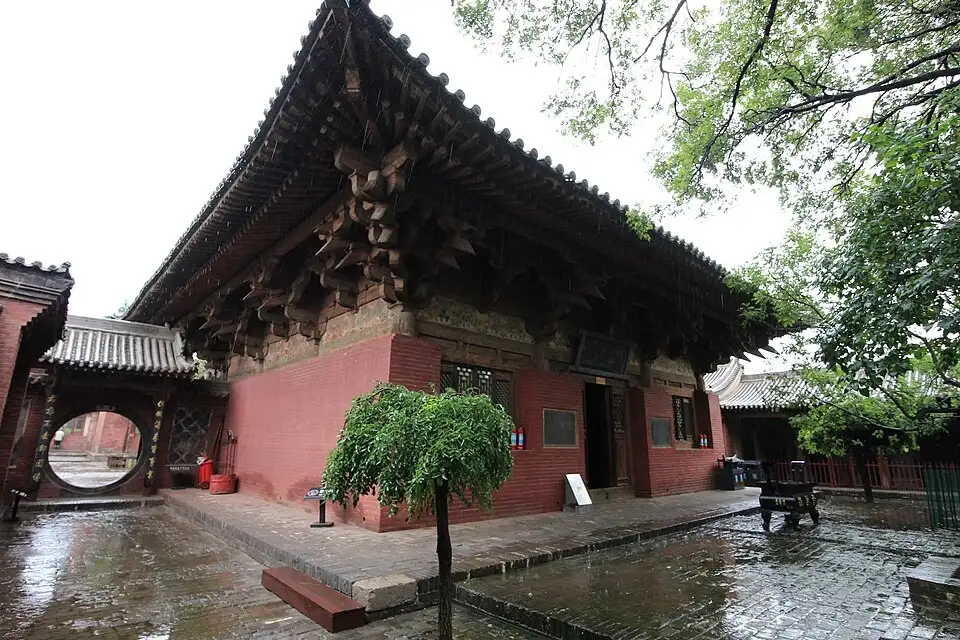
The pond in front of Ningbo’s Tianyi Pavilion can be viewed as both a garden landscape and a practical measure for preserving books. These two interpretations are not mutually exclusive. A body of water serves both as a visual element and as a solution to the practical challenges faced by the library. When visitors approach the site with the question “How can books be preserved for the long term?” in mind, the white walls and the pond transform from a tranquil backdrop into a valuable piece of cultural knowledge.
This article shifts its focus to the preservation of ancient books. The architectural and conservation concepts are based on research by the National Museum and official historical records, while the approach to observation is proposed by the editor. It does not include personal travel tips such as specific times, prices, or fixed entry sequences; the actual areas open to the public should be understood according to the museum’s arrangements.
The “water” in the name requires architectural solutions
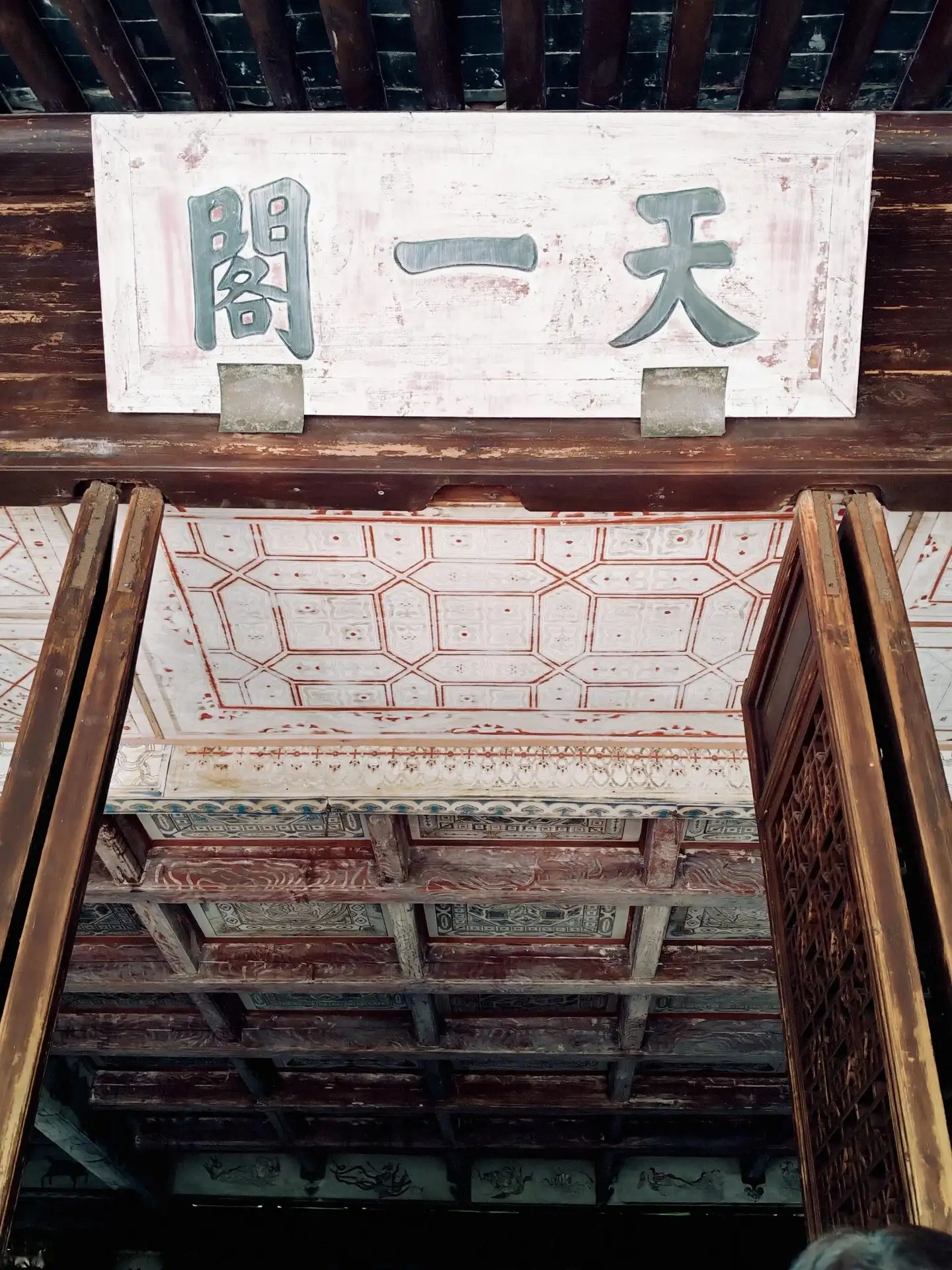
Research by the National Museum indicates that the naming of Tianyi Pavilion embodies the concept of using water to prevent fire, which is reflected in its architectural layout and other design elements. The water stored in Tianyi Pond is related to fire prevention, and the layout of the library’s upper and lower levels is also connected to the concept behind its name. For visitors, these facts demonstrate that the name is not merely an isolated, beautiful phrase; it has also influenced decisions regarding construction and management.
When examining a name, one might first ask what risks it aims to address, and then look for corresponding architectural arrangements. The vulnerability of paper and wooden structures to fire is an easily understood practical issue. Words convey aspirations, while spaces and measures carry out the practical work. By connecting the two, we see that the ancient concept goes beyond mere mystical symbolism to demonstrate how protection was organized under the conditions of the time.
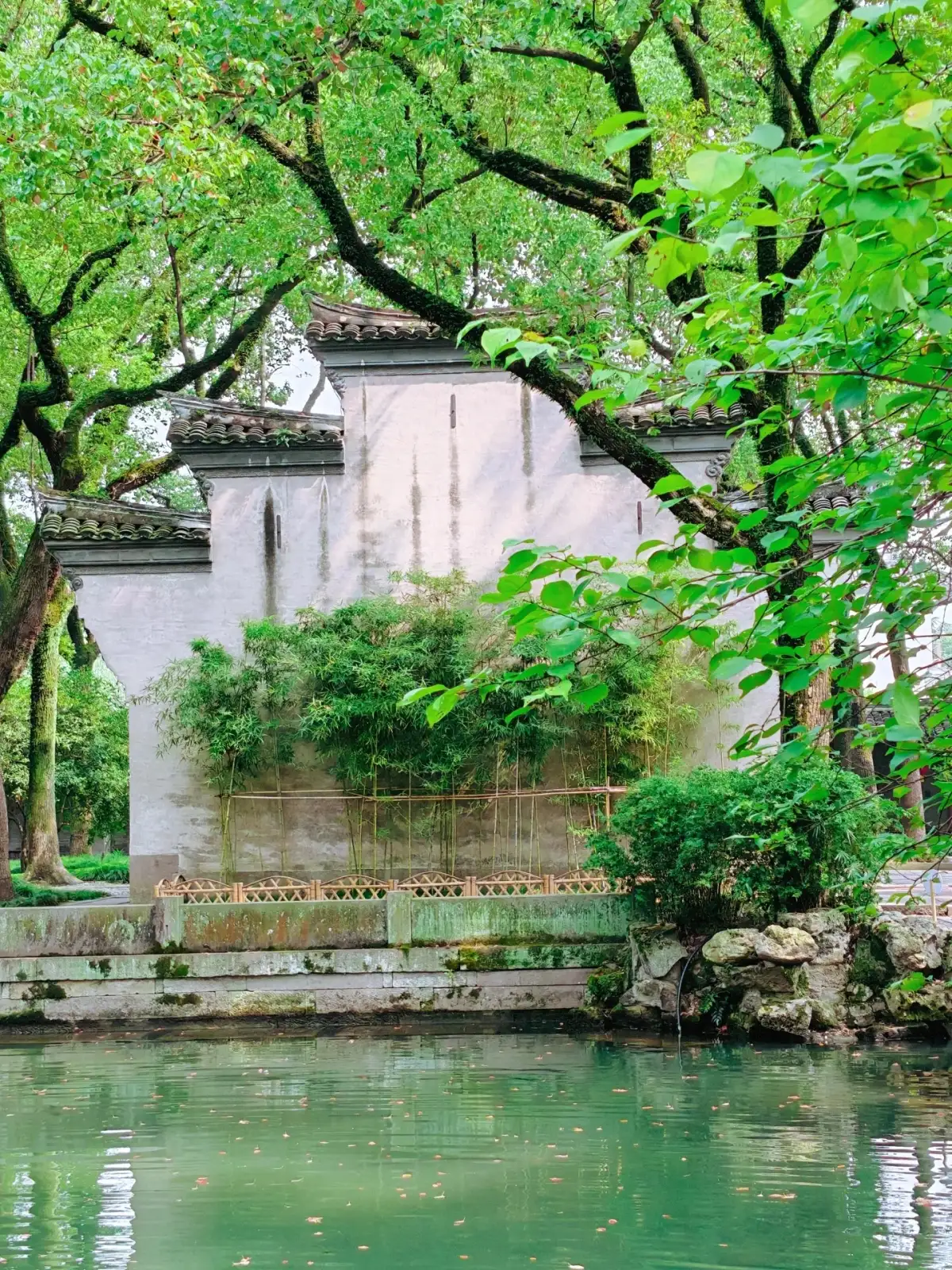
When observing the relationship between the pond and the building, first ensure you maintain a sufficiently wide field of view. Where the water is, where the building stands, and how the two are connected—these are all spatial issues visible to the naked eye. Regarding the actual historical waterways, fire prevention purposes, and functional arrangements, as understood from official materials, one cannot rely solely on today’s water levels to judge how they operated in the past. By combining what you see with the available documentation, your photographs will capture not only the scenery but also provide historical context.
Let Preservation Become a Set of Spatial Relationships
Official historical records also describe the separation between the living quarters and the library. From this, we can understand that preserving a book collection is not simply a matter of stacking books in a room. The location of the books, the functions of adjacent spaces, and potential activities all affect their preservation. Conservation, therefore, takes place not only beside the bookshelves but also between the library and its surrounding environment.
Visitors can compare architectural distances and passageways from public areas without needing to explore the closed conservation areas. Visible connections provide entry points, while invisible professional work requires textual explanations. If you encounter conservation notes in an exhibition, ask what issues they address and what methods they employ—this will help you connect modern cultural heritage work back to the same overarching narrative.
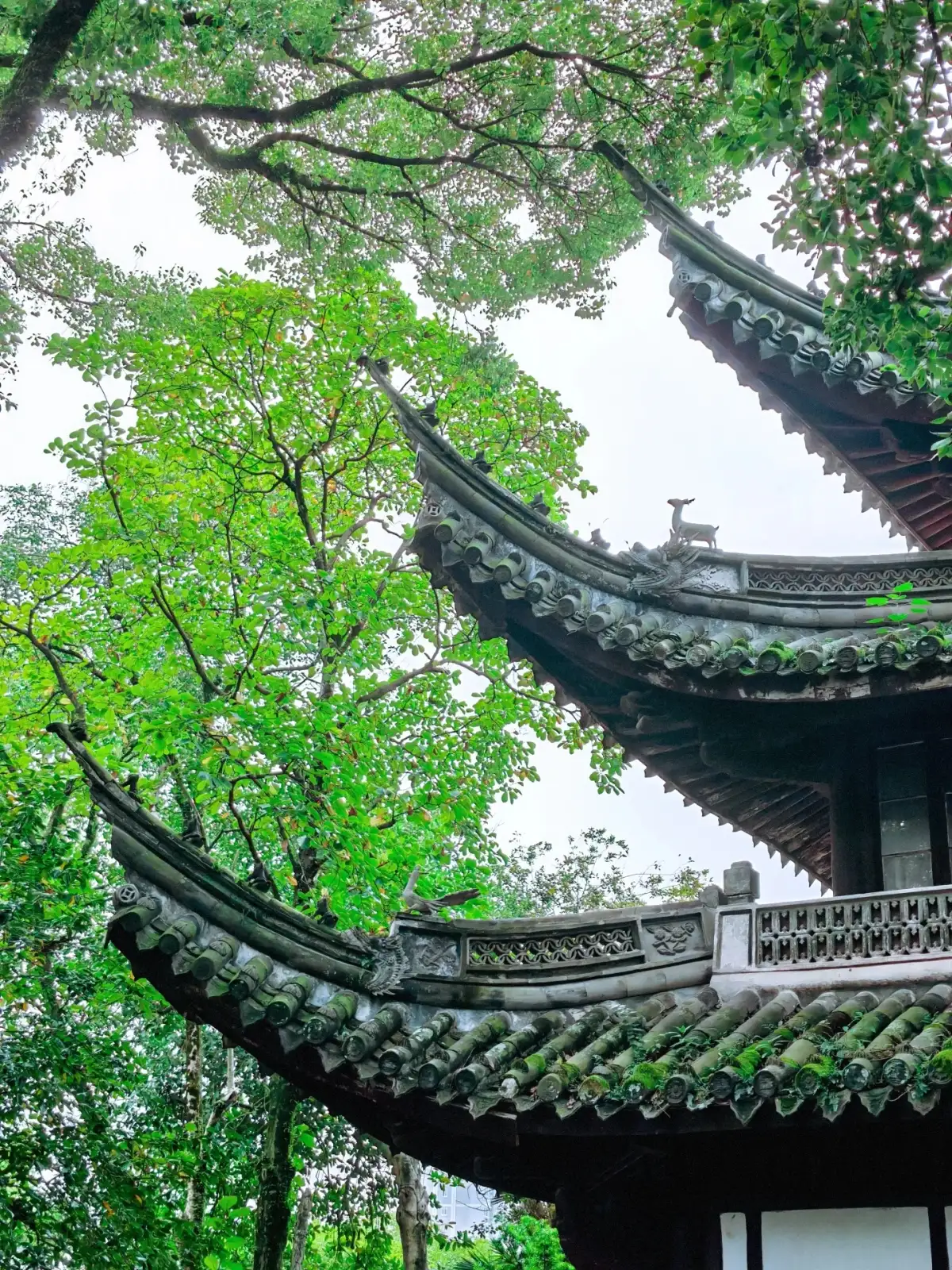
The layout of the two-story library building is explained in the National Museum’s research paper as being related to the concept of “Heaven as One, Earth as Six.” Visitors do not need to count every architectural detail on-site; instead, they can first grasp the idea that “names, numbers, and layout are interrelated” before reading the specific explanations. A single well-founded correspondence is sufficient to aid understanding; there is no need to force every number in the garden into the same interpretation.
Rules can preserve books, but they can also determine who gets to read them
The National Museum’s research also examines Tianyi Pavilion’s management system and the subsequent practice of presenting books to the imperial court. This historical context complicates preservation issues: restricting access may help minimize damage, yet knowledge must be read and disseminated. From today’s perspective as visitors, we should view preservation and public access as two tasks that require balancing, rather than assuming that greater openness is always better.
To understand ancient household rules, it is best to first recognize the historical context in which they were established, and then discuss their functions and limitations. How did a particular rule help shape governance at the time, and what impact did it have on those who followed it? These questions cannot be replaced by considerations of whether today’s visitors find it convenient to access the site. Historical materials allow us to see the organizational structures behind preservation, while personal perspectives can be developed based on these facts.
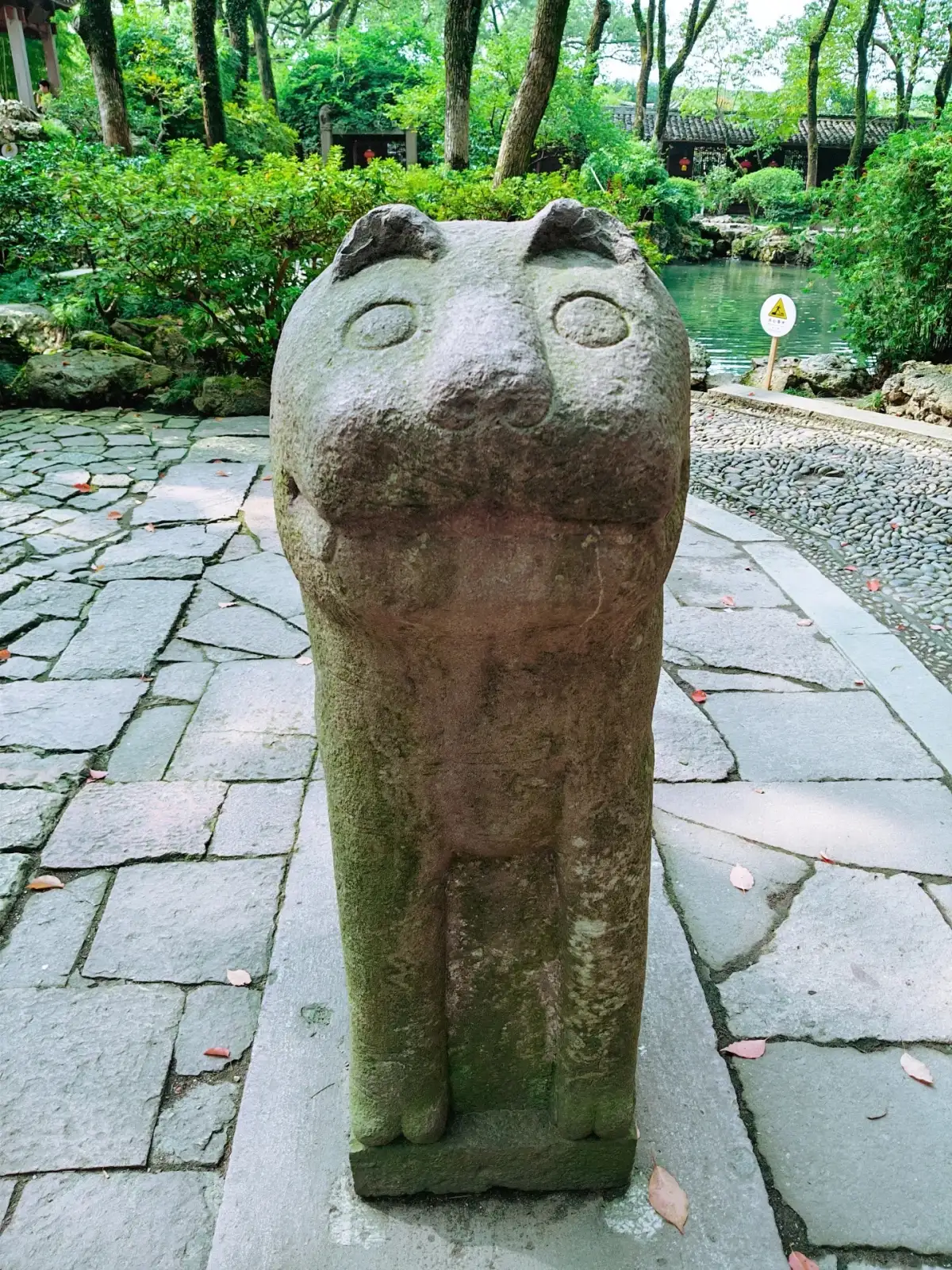
Question: When visiting the library, should visitors be allowed to browse ancient books? Tourist visits and research access each have their own procedures and conditions. The purpose of the library’s public exhibition is to help visitors understand the cultural significance of its collection and architecture; specific access to ancient texts is governed by the preservation institution’s regulations. Understanding how a single page of a book is protected can sometimes bring visitors closer to the theme of the visit than actually handling it themselves.
Children can start by comparing their own books. How do we usually prevent water damage, creasing, and loss? What new problems arise when many books are stored together? By bringing their everyday experiences to Tianyi Pavilion and listening to the explanations on historical preservation, the grandeur of library culture will become more accessible. Simply compare and discuss—do not touch the exhibits or equipment inside the museum, and do not assume that modern practices were the same in ancient times.
From a single building in Ningbo to a larger network of libraries
A paper from the National Museum explores the connections between Tianyi Pavilion, the compilation of the *Siku Quanshu*, and related book pavilions, covering contributions to book collections, naming conventions, and architectural influences. This context illustrates that the influence of a local library can extend beyond its city of origin. Collections give rise to materials, and management gives rise to practices; subsequent generations continue to learn from these materials and practices, thereby transforming the library into a node within a network of knowledge.
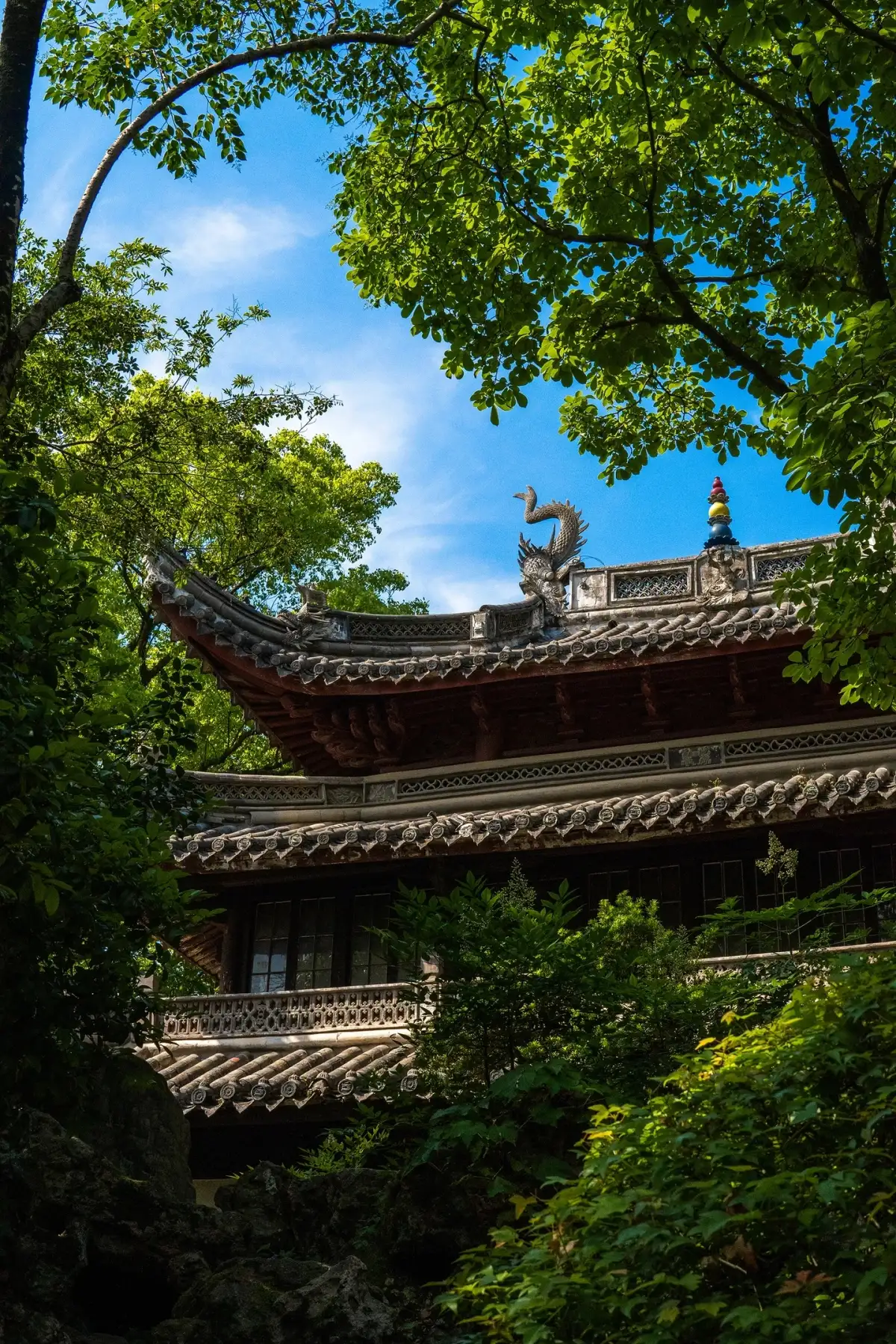
When exploring on-site, there’s no need to memorize the names of every library; instead, start by identifying a connection that is clearly documented. Was it the books themselves that were presented, or were the name or architectural style referenced? Different connections indicate different modes of transmission. Distinguishing between them is more accurate than making a general statement like “all libraries were modeled after it,” and it will also prompt you to ask new questions about the library architecture you encounter during the rest of your journey.
If your itinerary includes other libraries in the Jiangnan region, focus on comparing their preservation conditions and usage patterns rather than repeatedly asking which one has the largest collection. Some sources emphasize private collections, while others highlight printing or donations; each theme holds its own value. The central theme of this visit to Tianyi Pavilion is risk and preservation. By staying focused on this theme, you will avoid viewing every library as telling the same story when making comparisons later on.
A Meaningful Visit: How to Wrap It Up
First, observe the overall relationship between the building and the pond; then read a conservation explanation grounded in clear evidence; finally, select a question related to the application of this knowledge. These three steps can form a brief visit or, depending on your interest, expand into a more in-depth exploration. The remaining courtyards and related exhibits can serve as transitions to change the pace of your visit; there is no need to force the entire space into the single concept of “fire prevention.”
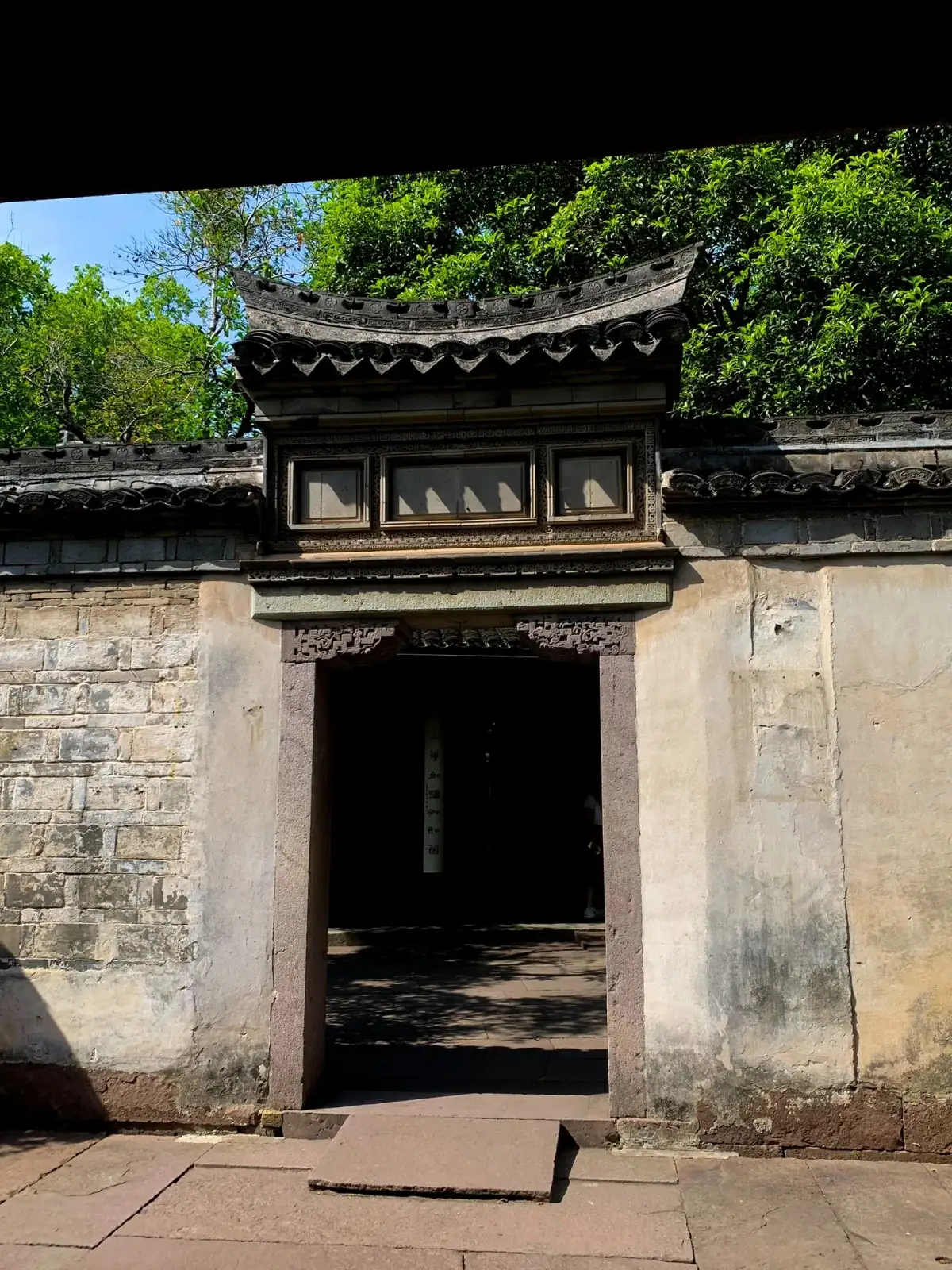
It’s best to take two types of photos: one that frames both the building and the pond to illustrate the spatial layout, and another that captures a detail you wish to explore further. Captions should describe what you’re observing and the source of the information, avoiding generic descriptions like “the scent of books.” If it’s inconvenient to photograph specific details, simply note the name and source in your notebook; understanding doesn’t require every piece of evidence to be a smartphone photo.
For fellow travelers with limited stamina, you can first choose a public viewing spot where the main building is visible and clearly explain the most important background information there. Those willing to delve deeper can then visit the relevant exhibits and share a discovery upon returning. The depth of a cultural visit comes from questions and information; there is no need to make completing every area as a group the sole criterion for success.
LeaveNingboIn this context, one can view Tianyi Pavilion as an ongoing process: ensuring that books endure. Collection is merely the beginning; architecture, regulations, care, and subsequent organization provide the opportunity for that beginning to become enduring. The pond’s waters still reflect the building; once one understands the relationship between the structure and preservation, this scenic photograph gains an additional layer of time—a dimension that requires constant human maintenance.
Source and Editorial Notes
They do not serve as proof of actual visits or services provided to Dongxing Travel clients.
Wang Jing / National Museum of China · A Brief Discussion on the Relationship Between Tianyi Pavilion and the *Siku Quanshu* · Official Source; Verified/Compiled on: October 3, 2026.
Xi’an Municipal Commission for Discipline Inspection Website · Tianyi Pavilion: Tens of Thousands of Chests of Books Enriching Past and Present · Official Source; Verified/Compiled on: October 3, 2026.
Read the pond with the library
Study Tianyi Pavilion fire protection through the relationship between buildings, water and preservation rules. The Tianyi Pavilion library concerns how collections survive as well as what was collected. A Ningbo cultural visit can examine positions first, then learn about the name and practical measures.
Access to books is a separate question
A museum visit does not mean access to every storage area or permission to handle old books. Ask about a specific display and follow photography notices. With children, discuss how a book might survive longer through questions about moisture, fire and management, without guessing about unseen systems.
Planning references