The grapevines in Turpan often take center stage in travel photos. The foliage blocks the sun, while the fruit and trellises create layers of depth; sitting beneath them, one feels a small patch of shade. But before tasting the grapes, one can explore the conditions essential to their growth: how water reaches the fields, and how the grapes are turned into raisins after harvest. By combining a visit to the karez system with a tour of the drying houses in a single half-day, the oasis transforms from a mere landscape into a comprehensible way of life.
Poli Po’s complete notes document a visit to a karez with her child, noting the drying sheds seen along the way; Zouzou, meanwhile, enjoyed the tree shade and slower pace of life in the villages of Turpan. These personal observations offer a perspective that differs from simply viewing the ruins of the ancient city. A half-day itinerary could center on water and grapes, starting with a visit to an officially open karez exhibition site, followed by an exploration of drying houses through legally accessible agricultural or cultural spaces.
Karez: First, identify the four components
Information on the Karez Excavation Techniques from the China Intangible Cultural Heritage NetworkAs explained, karez systems utilize the slope of the terrain to draw groundwater and typically consist of a vertical shaft, underground channels, open channels, and a flood control dam. Following verification on October 3, 2026, these four elements can serve as the main thread for a parent-child tour. It is easier for children to understand by first looking at a schematic diagram and then locating the corresponding parts in the exhibition space than by simply hearing about “ancient engineering marvels.”
The vertical shaft is the easiest to identify from the ground. It connects to the underground system, serving functions such as access, extraction, and ventilation, as well as facilitating future inspections and maintenance. When explaining this to children, you can draw both the ground level and the underground space on a single sheet of paper: what people see as an opening above connects to the water conveyance space below. Specific areas open to visitors are subject to the venue’s guided tour; production wellheads and maintenance tunnels are not part of the self-guided visitor route.
The underground channels collect and transport water, the open channels bring the water to the surface, and the retention dams are used to store water. Once these four elements are connected, the question shifts from “How deep is this well?” to “How does the water keep moving?” Have children draw arrows to indicate the direction of flow, then observe how the exhibition explains the slope and water sources—this can transform a floor plan into a real story. You can also ask a docent to explain the differences between the exhibits or models and the actual production facilities.
The value of underground passages must be considered in conjunction with the surface environment
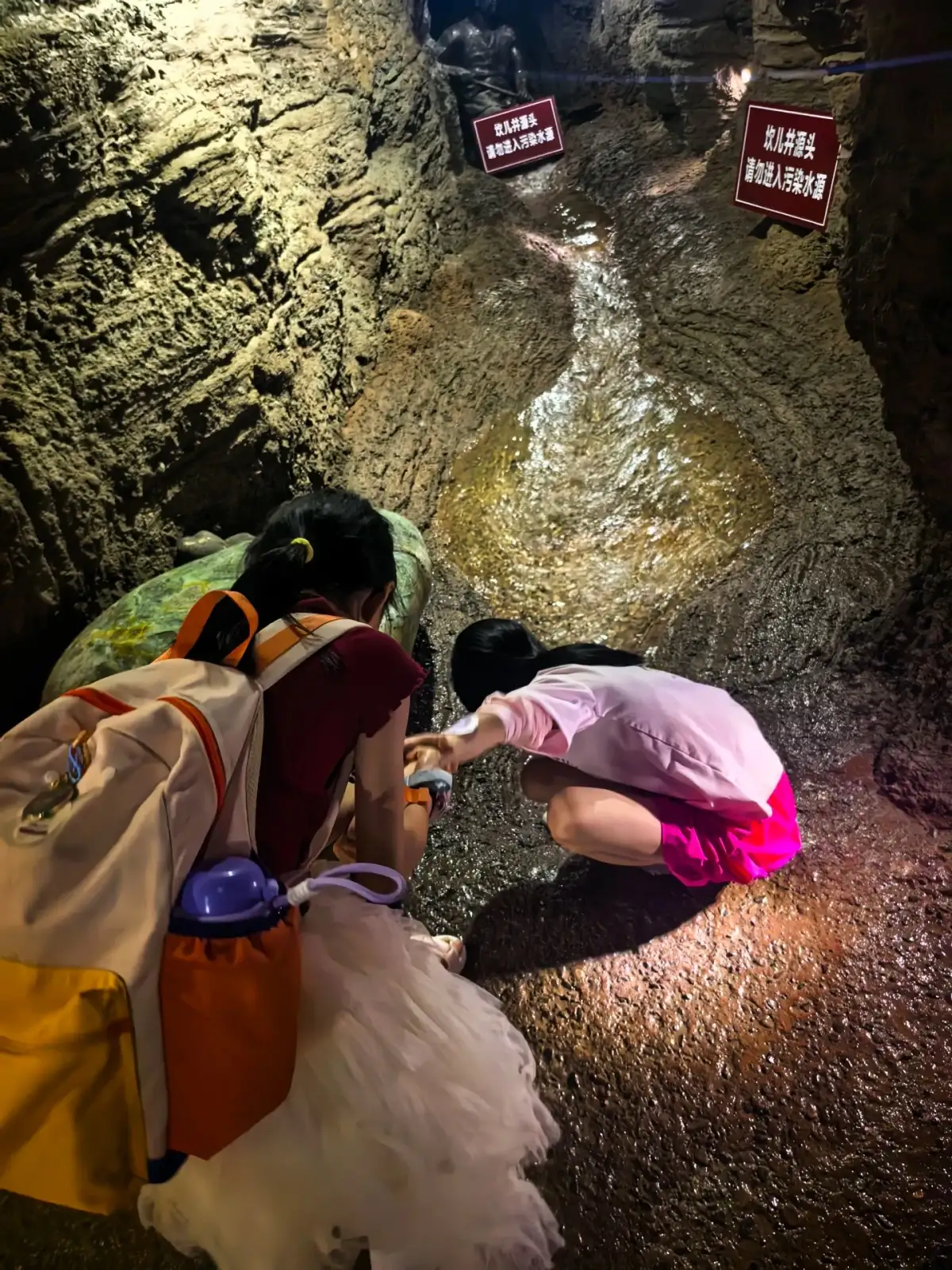
An underground water channel of the Jiaohe Post Station Karez and a visitor bending over to view it. Photo:Po Li Po · Original Post.
Official introduction to karez systems by Turpan CityRelate this to the basin’s topography, water sources, and climate. There’s no need to use the historical figures in the materials to estimate the number still in operation today; what’s most useful for travelers is understanding how underground water conveyance sustains oases. After viewing the exhibition, observe the trees and fields in public spaces—the context will become much clearer.
Visitors wishing to hear a guided tour can directly ask three questions: Is what we’re seeing an authentic historical site or a model? What function did this section serve? How is it maintained today? The guide’s answers will help distinguish between historical techniques and current exhibits. A single tourist attraction may include underground spaces, above-ground exhibits, and recreational areas. Before purchasing a ticket, confirm exactly what you want to see to avoid assuming—based solely on the attraction’s name—that you’ll be able to visit every part of it.
“Can we go down into a very deep well?” Specific accessible areas, access conditions, and available activities must be confirmed by the venue. A single descent experience described in the original post cannot be applied to the arrangements at another karez exhibition site. Visitors with limited mobility and children should first review the actual path descriptions before deciding whether to enter the relevant areas. By aligning the exhibition with your family’s needs, your visit will not stray from the cultural theme simply because of a specific depth figure.
The walls of the drying rooms allow the wind to become an integral part of the production process
Introduction to the Art of Raisin Drying in Turpan CityNote that traditional raisins are produced through natural air-drying in drying sheds, which are ventilated on all four sides and commonly found on rooftops or near villages and towns. When viewing these structures from legally accessible vantage points, pay attention to the holes in the walls and the suspended spaces inside. Their design is directly linked to their functional purpose—they are not merely intended to create attractive patterns of light.
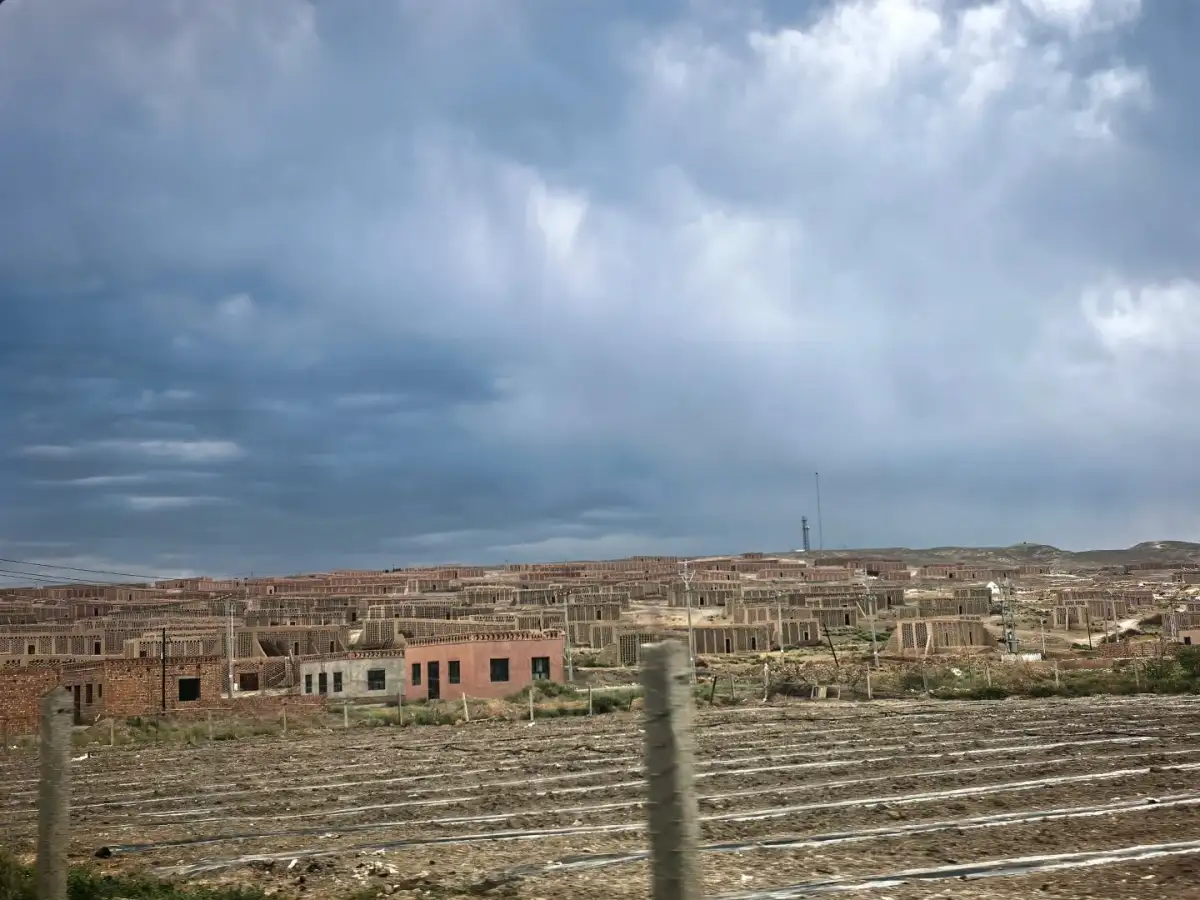
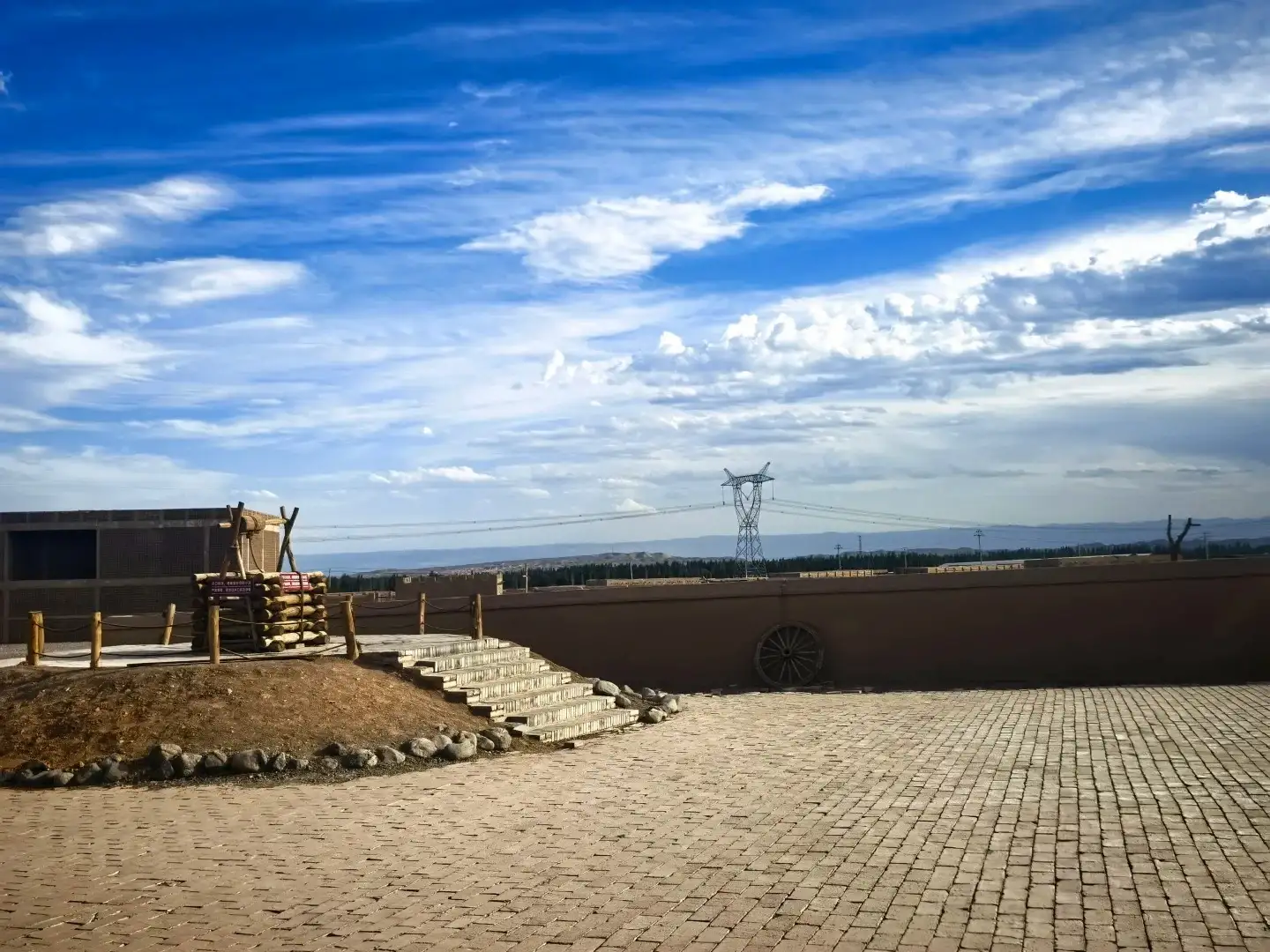
The earthen architectural ruins at the Jiaohe Ancient City in Turpan. Photo:Po Li Po · Original Post.
Children can compare ordinary rooms with grape-drying rooms: why do the walls have different types of openings, and why do grapes need space for air circulation? Focus your observations on locations that are publicly displayed or where permission has been granted; drying rooms currently in use are still considered commercial and domestic living spaces. Approach only after obtaining the owner’s consent, and ask about the room’s purpose only if they are willing to accommodate you—there is no need to turn every drying room into an accessible photo studio.
Grape trellises and drying sheds can form another set of photos. The trellises illustrate the growth stage, while the drying sheds demonstrate post-harvest processing. A cluster of fruit in the foreground, a ventilation wall in the background, and a schematic diagram with a source citation are all it takes to clearly explain the agricultural process. During an actual visit, whether the grapes are ripe or the drying sheds are in use depends on the specific date and production schedule that year; one should not assume that the conditions described in a single summer journal entry represent the landscape throughout the entire year.
How to incorporate the half-day cultural itinerary into Turpan
If the primary focus is family learning, schedule the karez exhibition for the first half of the day, set aside time for rest and meals, and conclude with a visit to an officially recognized grape culture or agricultural exhibition. This ensures a clear connection between the two activities and avoids requiring children to walk long distances outdoors consecutively. Finalize your itinerary only after verifying specific locations and available exhibits to avoid assuming that the same attractions will be featured simply because they share the broad names “Karez” or “Grape Valley.”
If your family members are more interested in photography, you can first decide whether you want to capture how the underground and above-ground sections connect, or whether you want to highlight the ventilation and play of light and shadow in the drying rooms. The more specific your photographic goal, the easier it will be to select a suitable location for your shoot. Obtain permission before taking close-ups of people or staff; when shooting wide-angle shots, be mindful of walkways and other visitors. Photos from the original post can serve as candidates, but you should still verify the locations in the images and remove any subjects whose faces are visible before using them officially.
“Should we also visit the Jiaohe Ancient City?” The urban ruins of Jiaohe represent another historical theme. If you have a full day, you can link the two sites based on travel time and opening hours; if you only have half a day, focus first on covering the water conservancy and agriculture theme thoroughly and clearly. For those wishing to visit Jiaohe, it’s recommended to explore the two themes in separate segments—one focusing on the spatial layout of the ancient city, and the other on the water and agriculture that sustained daily life—so that each site offers more than just a souvenir photo.
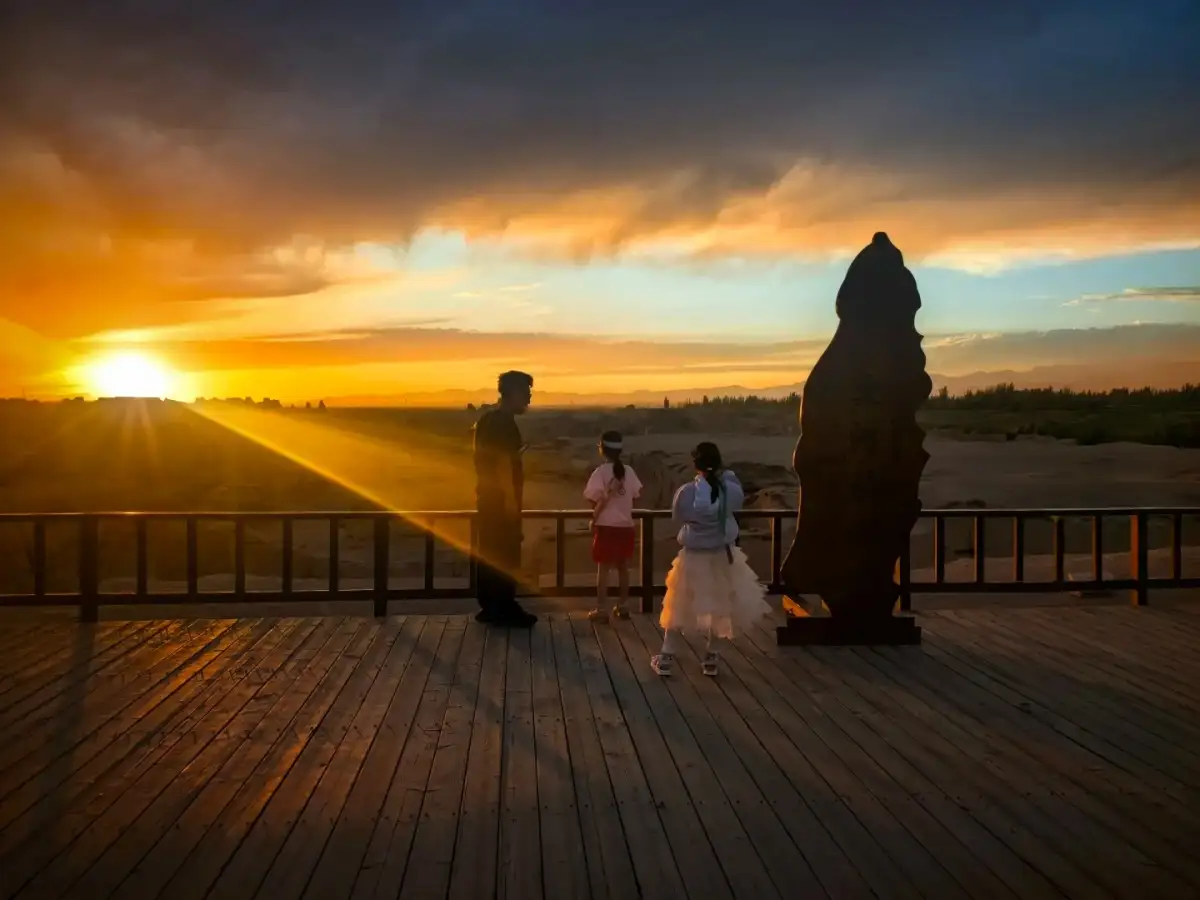
The Jiaohe Ancient City at dusk, with tourists in the distance. Photo:Po Li Po · Original Post.
Entry and exit points—leave some flexibility for practical arrangements
Check the specific temperatures and weather conditions in Turpan based on your travel dates, and plan your itinerary to allow for transitions between indoor exhibits, shaded rest areas, and outdoor observations. Do not assume that because an underground site is described as “cool” in personal notes, it is a reliable place for everyone to escape the heat. Bring drinking water according to your personal needs. Determine whether on-site water sources are safe for direct consumption based on explicit instructions; the original post’s account of drinking water does not constitute a certification of water quality.
When travelers holding foreign passports book specific activities, they should verify their real-name information, present tickets on-site, and confirm language services. If a child’s guided tour is requested, specify the child’s age and the water management topics they wish to learn about; for food allergies, vegetarian diets, or special dietary needs, inquire about meal ingredients in advance. The more specific your inquiry, the easier it is for the service provider to determine what arrangements can actually be made; itineraries and quotes will be confirmed by an advisor.
Upon returning to their lodging, the family can use four words to describe the karez system, then use a photo of a drying house to explain the ventilation principles behind raisin production. This is more likely to stick in a child’s mind than memorizing a grand title. Life in the Turpan oasis is sustained by many concrete labor practices; a bunch of grapes, a water channel, and a wall with holes are enough to turn a half-day trip into a meaningful memory.
Source and Editorial Notes
This article is an original travel interpretation compiled by the Dongxing Travel editorial department based on the cited materials; it is not a firsthand account by the author. The full text of the original post has not been reproduced; accompanying images are used within the scope of authorization and are credited to the author and the source of the original post. They do not serve as proof of actual travel experiences or services provided by Dongxing Travel.
Slope-in-Slope · Day 1 in Turpan: Jiaohe Station Karez, Ancient City of Jiaohe · Travel Notes; Verified/Organized on: October 3, 2026.
Walking Around_ · Turpan Is Actually Quite Relaxing | Attractions Roundup · Travel Notes; Verified/Organized on: October 3, 2026.
China Intangible Cultural Heritage Network · Karez Excavation Techniques · Official source; Verified/compiled on: October 3, 2026.
Turpan Municipal People’s Government · The Underground Great Wall: Karez · Official source; Verified/compiled on: October 3, 2026.
Turpan Municipal People’s Government · Art of Sun-Drying Grapes · Official source; Verified/compiled on: October 3, 2026.