East Travel Editorial Department · Travel Diaries and Pre-trip Reading
stop in the valley first, rather than rushing to the summit
The name “Mount Wutai” naturally draws one’s gaze upward, but for a first visit, it’s best to start in the valley of Taihuai Town. Behind the rooftops lining the street, the mountain slopes remain visible; the temple isn’t isolated from its natural surroundings. The cultural landscape of Mount Wutai encompasses the mountains, temples, and pilgrimage routes; understanding this relationship can begin with a short stroll. Making Shuxiang Temple a stop for a closer look, then adding nearby temples based on their daily opening hours and walking distance, leaves a clearer impression than rushing from one famous entrance to another.
On the day of arrival, there’s no need to head straight to the high vantage points. First, confirm your accommodations, dinner plans, and the starting point for the next day’s journey. Take a gentle stroll to match the distances within the town with the names on the map. The two temples in the valley may seem close, but the connecting roads may still have steps, traffic, and detours. Set aside some time for this orientation; only then will you have the energy the next day to observe how the gray tiles cling to the green slopes and how the red walls reappear behind a row of ordinary houses.
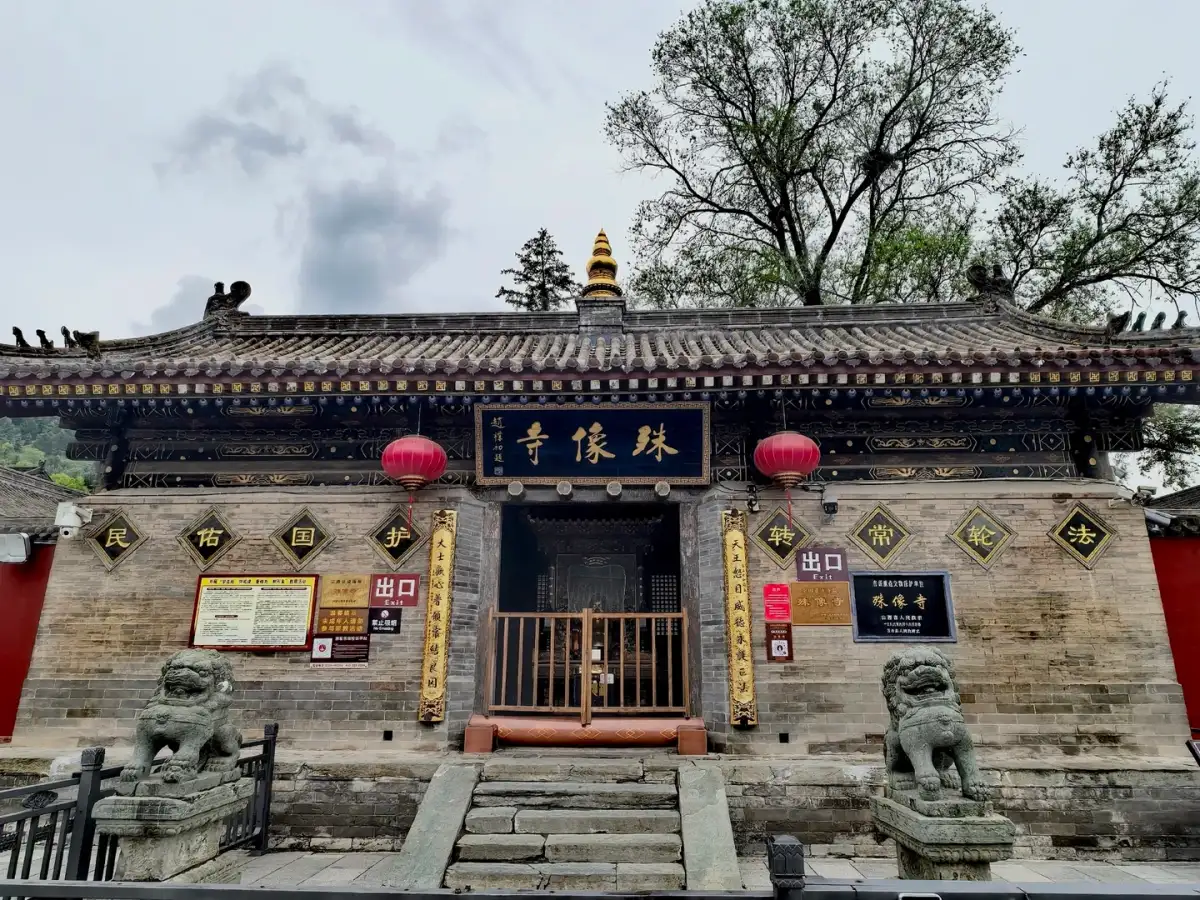
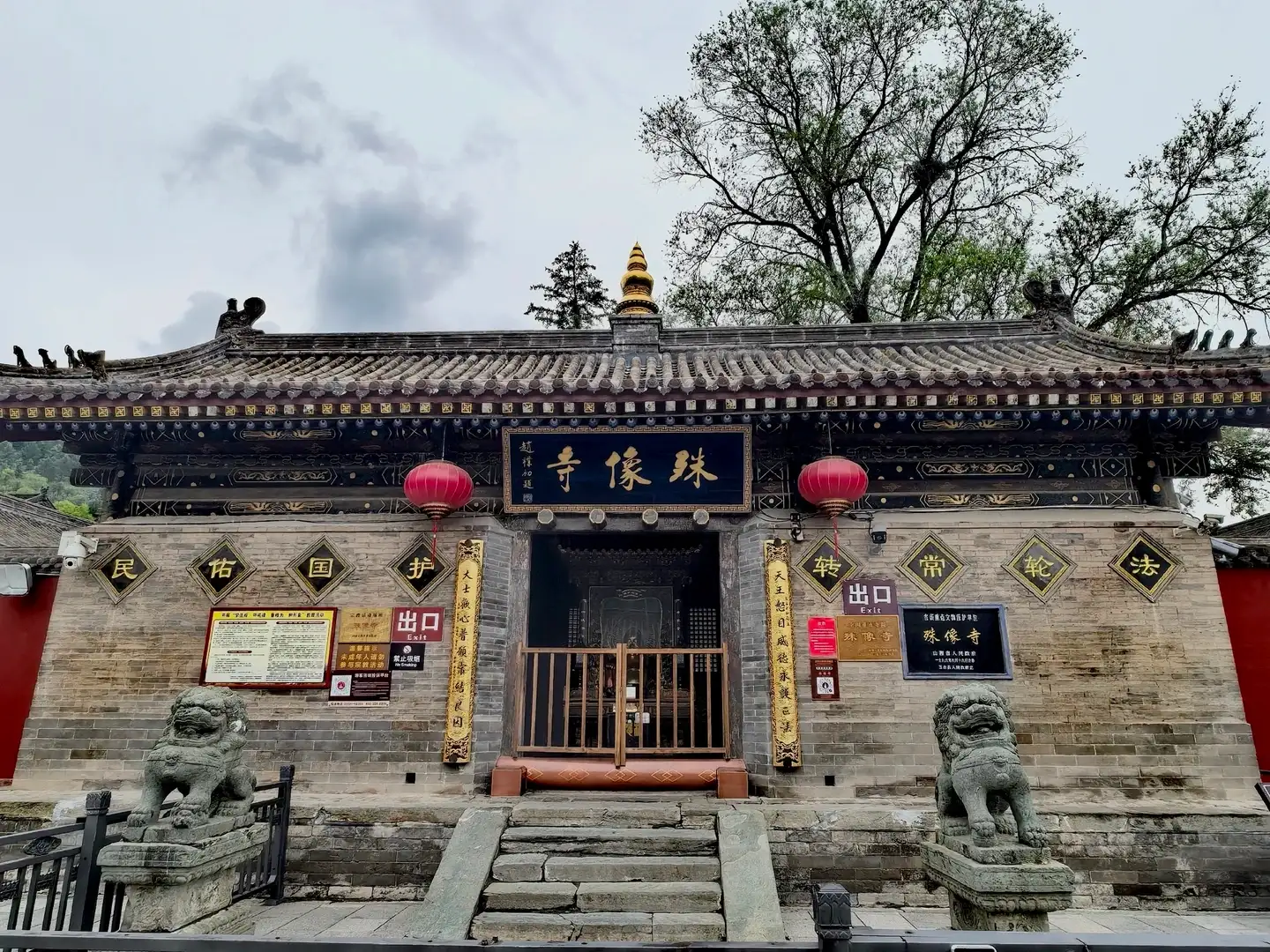
The stone lions, temple gate, gray tiles, and plaque at Shuxiang Temple. Image source: Xiaohongshu · andy
The facade of Shuxiang Temple: where stone and wood take the lead
To observe Shuxiang Temple, you might start by pausing at the entrance. The stone lions, steps, brick walls, and the wooden eaves above feature distinct colors and textures; the carved lines are relatively sharp, while the wooden window lattice is fine and dense, and red lanterns illuminate a small section of the gray facade. As your gaze slowly moves upward from the lower levels, you can better appreciate the distinct roles these materials play than when simply photographing the entire building at once. The plaque is also worth examining: visitors unfamiliar with Chinese characters can first observe the arrangement of the characters and the thickness of the strokes, then consult the description to understand the temple’s name.
The temple gate is first and foremost a space for passage and worship. Follow the on-site path across the threshold, avoid areas where worshippers are gathered, and refrain from posing for photos near the gate itself; whether you can enter a particular hall or take photos is subject to the notices posted on-site. Once you’ve taken in the materials at the entrance, you’ll more easily notice how they evolve as you enter the courtyard: the coarser stone and brick on the outer side define the boundaries, while the wooden structures and colorful paintings on the inner side draw your gaze toward more intricate details.
The height of the eaves also serves as a kind of viewing sequence
look up from within the courtyard; the eaves are not a simple curve. The ridges of the tiles slope down from the roof to the eaves, with the end components exhibiting variations in light and shadow, while the colors on the beams and brackets are subdued by shadows. On cloudy days, the gray tiles blend with the sky, making the eaves appear soft; when the sun shines at an angle, the same row of wooden structures may reveal a stronger sense of depth. By comparing two vantage points along the public road, you can capture two distinct architectural impressions—without needing to approach the historic site to find a specific angle.
the small animal figures and patterns on the roof—treat them simply as forms at first, without rushing to assign symbolic meanings to each one. Observe their scale in relation to the roof surface, see how the two tiers of eaves meet, and then consult the information inside the temple to learn their names. This sequence is very visitor-friendly for those unfamiliar with Chinese architecture: it allows the eyes to pose questions first, so that the explanations focus on visible details rather than becoming a string of terms that are quickly forgotten.
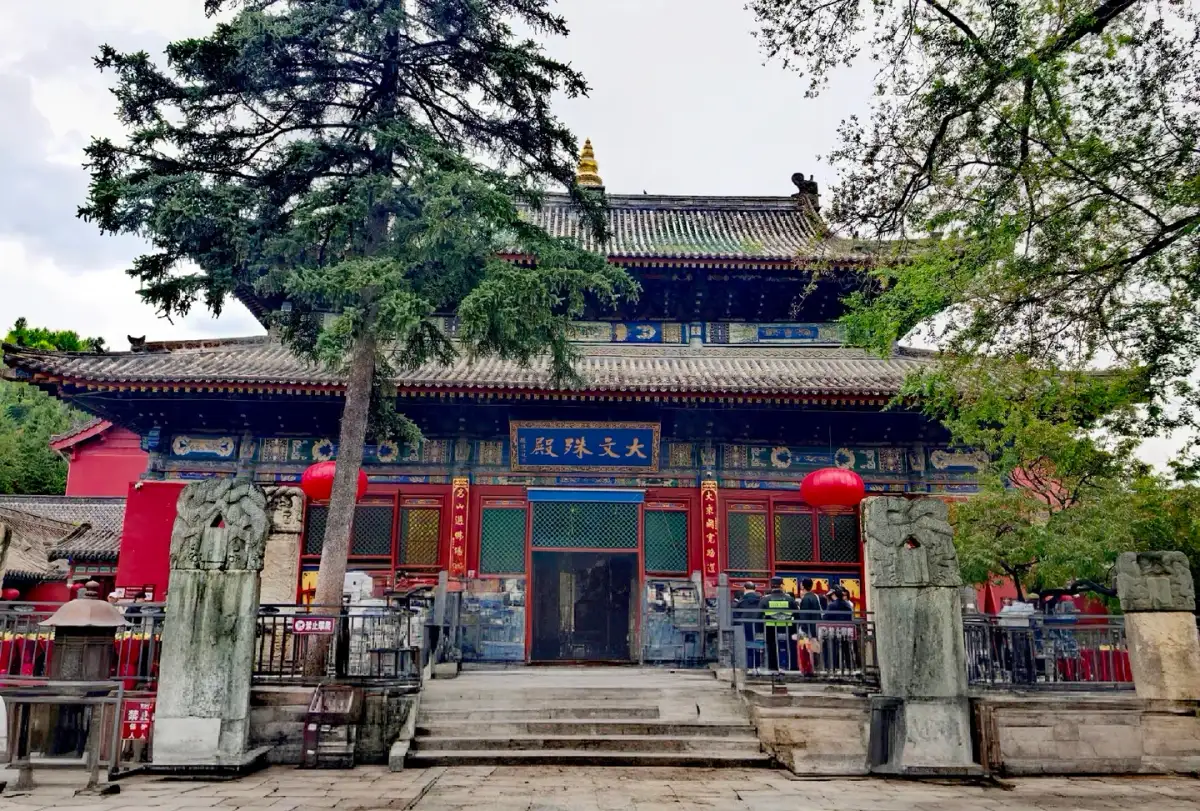
The Great Manjusri Hall of Shuxiang Temple, surrounded by trees, and the buildings within the courtyard. Image source: Xiaohongshu · andy
let the White Pagoda catch your eye first, then take in the low-roofed houses surrounding it
The white pagodas in the Taihuai area often serve as a starting point for travelers to orient themselves. When you spot a white silhouette in the distance, don’t immediately reduce the entire path to a straight line leading to the base of the pagoda; the low-slung roofs, courtyard walls, and hillsides surrounding it collectively shape this view. Walk along the accessible path for a while; the pagoda’s body will sometimes come into view and sometimes be obscured by buildings. These obstructions serve as a gentle reminder that a valley temple is not a completely flat tourist map.
Note that the restoration, protective measures, and visitor access areas around the pagoda are subject to change; seeing a complete old photograph does not guarantee that you’ll be able to reach the exact same spot on the day of your visit. If the area around the pagoda is temporarily off-limits, shift your focus back to the courtyard and rooftops. A single white marker in the distance is enough to help you grasp the temple’s layout; the truly rich details lie on either side of the gateway, between the columns, and in the shadows of the mountains just around the bend—you don’t have to wait until every building is fully unobstructed to begin appreciating them.
climb to a higher temple first—be sure to include the descent in your plans
If the weather and your stamina permit, you can choose another temple situated higher up to see how the cluster of rooftops unfolds along the valley. As you climb the slope, the steps constantly shift your line of sight; a roof that was visible only in part from the street moments ago may gradually reveal its full form. Plan your stops in places where resting is permitted and where you won’t obstruct the flow of traffic. When looking back down at the valley, first locate the roof you just passed beneath, then make out the distant hillsides—and the city map will transform into a space you’ve walked into with your own body.
This type of ascent is a different journey from climbing to the top of the Five Terraces. The steps at a valley temple cannot be used to gauge the difficulty of high-altitude trails; the weather, traffic, and opening hours at the summit also require separate confirmation. Allow plenty of time for returning to town and dinner, and shorten the uphill section if you encounter wind or rain. Even a walk through the valley alone offers plenty to explore: as you gaze from the gate of one temple to the eaves of another, and then return to the same hillside, you can already discern the interlocking relationship between the mountains and the temples.
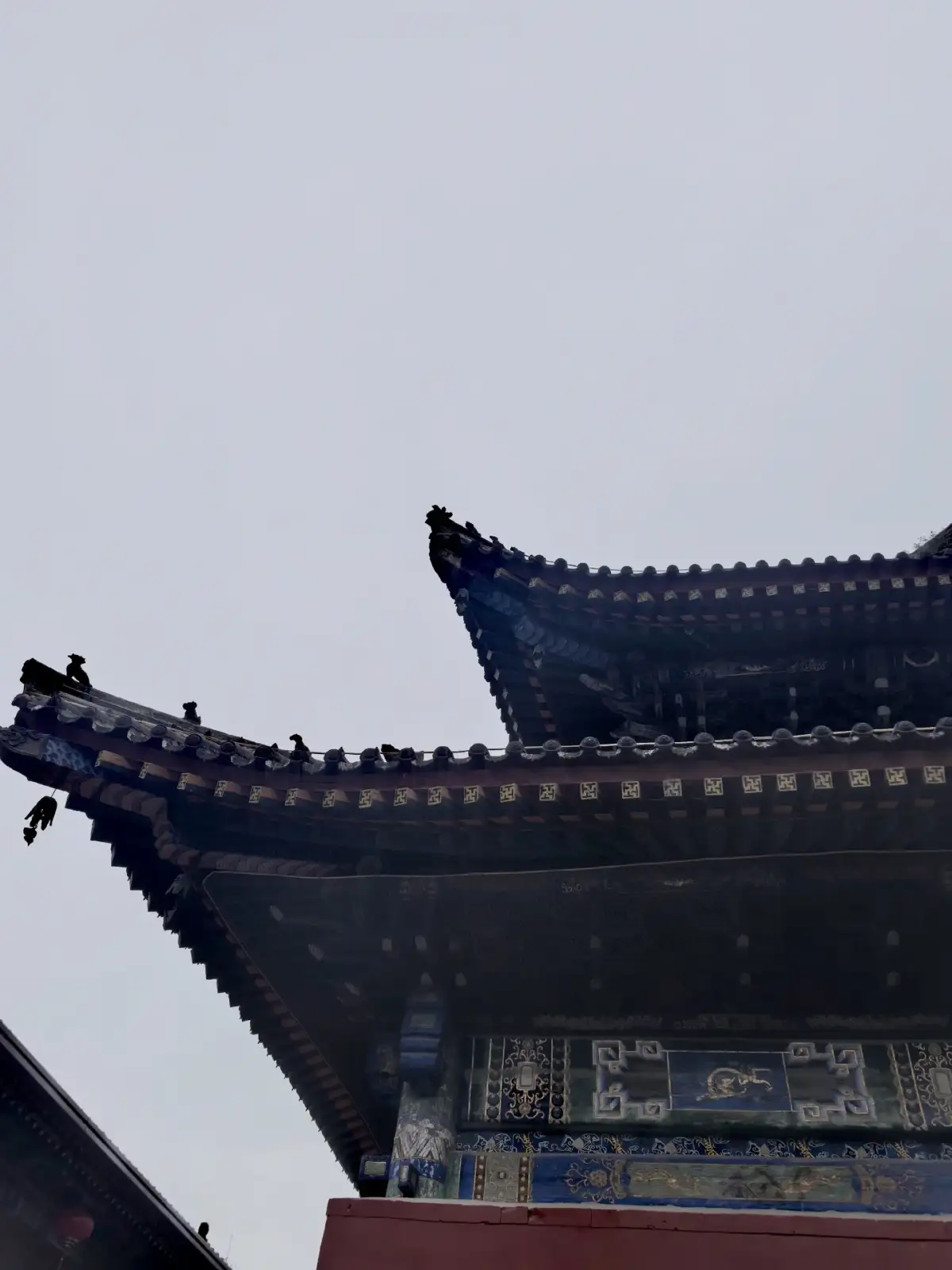
Close-ups of Shuxiang Temple’s overlapping eaves and roof tiles. Image source: Xiaohongshu · andy
When you hear the sounds, allow yourself a little distance from the view
The monasteries of Mount Wutai also have a vibrant religious life today. The opening and closing of hall doors, footsteps, hushed conversations, or the tolling of bells can give the same courtyard a different rhythm. If you encounter worshippers or religious ceremonies, you should first clear a path and then decide where to stand. Architectural tours and religious activities can coexist in the same space. Visitors do not need to record every sound on video, nor should they treat those engaged in worship as mere props for showcasing local culture.
focus on how sounds are transformed by the gateways and courtyard walls in the accessible areas—this often offers a deeper sense of the place than getting too close to the rituals. The sound of traffic from outside fades as you enter the courtyard, and once the wooden door closes, your field of vision narrows as well. Overseas visitors without a religious background can start by noticing these perceptible changes and then inquire about appropriate etiquette. If you encounter offerings or taboos you don’t understand, briefly ask the staff on site. Setting clear boundaries for your curiosity will make your stroll much more relaxed.
Eating and resting in the town are part of the temple tour.
Note that in Taihuai Town, dining, lodging, and the temple are connected only by foot. You can schedule lunch between the two visits: first, sit down to have a drink and reflect on the plaques and eaves you saw that morning, then decide whether to head uphill in the afternoon or continue exploring the gentle courtyards. Compared to rushing through a meal just to fit in one more temple, this break helps maintain your focus. When ordering, be sure to specify your dietary habits and restrictions—and above all, don’t assume that just because a dish is labeled “vegetarian,” it will meet all your requirements.
Your choice of lodging should also be based on daily walking distances. Even if a place is “close to the center,” you’ll still need to check the actual entrance, the slope, and whether vehicles can park there; arriving with luggage is a very different experience from strolling empty-handed. If you’re traveling with elders or children, you can plan to visit the main temples along a continuous stretch of road, return to your lodging in the afternoon to rest, and then end the day with a short stroll. Mount Wutai offers more than just the most photogenic spots; a valley route that’s easy to walk back and forth is equally rewarding.
clarify the mountain access route and the temple tour separately
Before arriving at Mount Wutai, you’ll need to verify the actual mountain entrance and the shuttle service within the town. Stations, airports, and scenic areas with similar names are not located at the same spot; the destination listed on your ticket does not replace the arrangements for the final leg of the journey. Self-driving visitors should also check the official vehicle reservation rules in effect at the time; ticket reservations, vehicle access to the mountain, and visits to specific temples are separate matters that require attention. It’s best to confirm how to register with a foreign passport when booking accommodations and transportation to avoid having to find a way to do so at the last minute upon arrival at the entrance.
Once you’ve entered the town, shorten your daily itinerary to ensure you can return on schedule. Road adjustments, temple renovations, and weather can all disrupt your plans, so planning a shorter valley route is more reliable than packing every minute of the day. If you encounter delays waiting for a shuttle, skip one additional temple to ensure you have enough time to fully explore the one you’ve already selected. The richness of a trip comes from its content, not necessarily from the number of places you visit each day.
View the mountain from different distances in different seasons
During the warmer seasons, when the hillsides are lush with greenery, it’s ideal for comparing how the gray tiles, red walls, and forests blend together; be sure to bring rain gear to prepare for the mountain weather. In autumn, as the colors gradually fade, pay attention to the interplay of light and shadow within the tree canopies when viewing from a distance. In winter, the outlines of branches and roof tiles become more distinct; however, icy ground, biting winds, and road conditions will become key factors in your planning. Warm clothing should allow for comfortable walking, not prolonged standing in the wind while taking photos.
a pleasant stroll through the Taihuai area; in the end, what may remain in your memory is merely a stone gate, a row of eaves, and the location of a hillside. Together, they explain how this cultural landscape should be viewed: the mountain is not merely a decorative backdrop for the temple, nor is the temple an isolated structure meant for a quick glance. Armed with this understanding, the next time you visit a smaller ancient temple or plan a trip to the Taihuai area, you can first ask how the spaces connect—and then decide how far you need to go.
Further Reading and Reference Sources
Compiled and organized by the East Travel Editorial Department based on publicly available travel notes and listed information. Intended for pre-trip reading; this is not a personal account of a visit. Please verify opening hours, transportation, reservations, and service arrangements based on your actual travel dates.
andy · Auspicious Appearance, Natural Beauty, Radiating Light Across Wutai | Shuxiang Temple
Mount Wutai Tourist Service Center: Response to Vehicle Entry Reservations
Do temple visits require climbing higher?
A Wutai Shan temple walk can stay around the valley without treating a summit as essential to understanding religious architecture. Start a Shuxiang Temple visit with the relationship between stone gateways, eaves and courtyards, then see the white pagoda alongside lower roofs. For close architectural observation, devote more time to one publicly accessible courtyard.
Decisions before an uphill extension
Plan the descent and a rest in town before adding higher temples. A Taihuai valley walk and a mountain ascent involve different levels of effort, so choose around the group's pace. During religious activities, keep routes clear and follow local directions. A tight schedule is no reason to hurry others, and photography does not provide permission to enter every space.
Planning references
Planning reference: Wutai Shan temple walk 1