Dongxing Travel Editorial Department · Travel Diaries and Pre-Trip Reading
The name of the ferry crossing—keep it in your heart for now
Xijin Du, take a moment to ponder: Why does the name of this town include the character for “ferry” (渡)? Zhenjiang’s riverfront history, topography, and urban expansion make this question far more intriguing than simply seeking out the liveliest stretch of commercial street. A half-day itinerary can center on Xijindu Old Street and the slopes of Yuntai Mountain, exploring the street towers, stone steps, and architectural layouts, then—depending on the time—adding a stroll along the riverbank.
The experience of the modern neighborhood cannot be directly equated with that of the ancient wharf; the actual location of the waterfront must be verified using maps and exhibition displays. Specific wharf locations and historical events can be explored one by one through the exhibits. Upon arrival, first locate the directions of the mountains, streets, and river on the guide map, using these geographical relationships as a foundation for your exploration. You can choose your starting and ending points based on your hotel or transportation options, and be sure to factor in the slopes and stairs when planning your energy levels. If you plan to enjoy the night view, make sure to identify a specific exit and pickup point for your return trip.
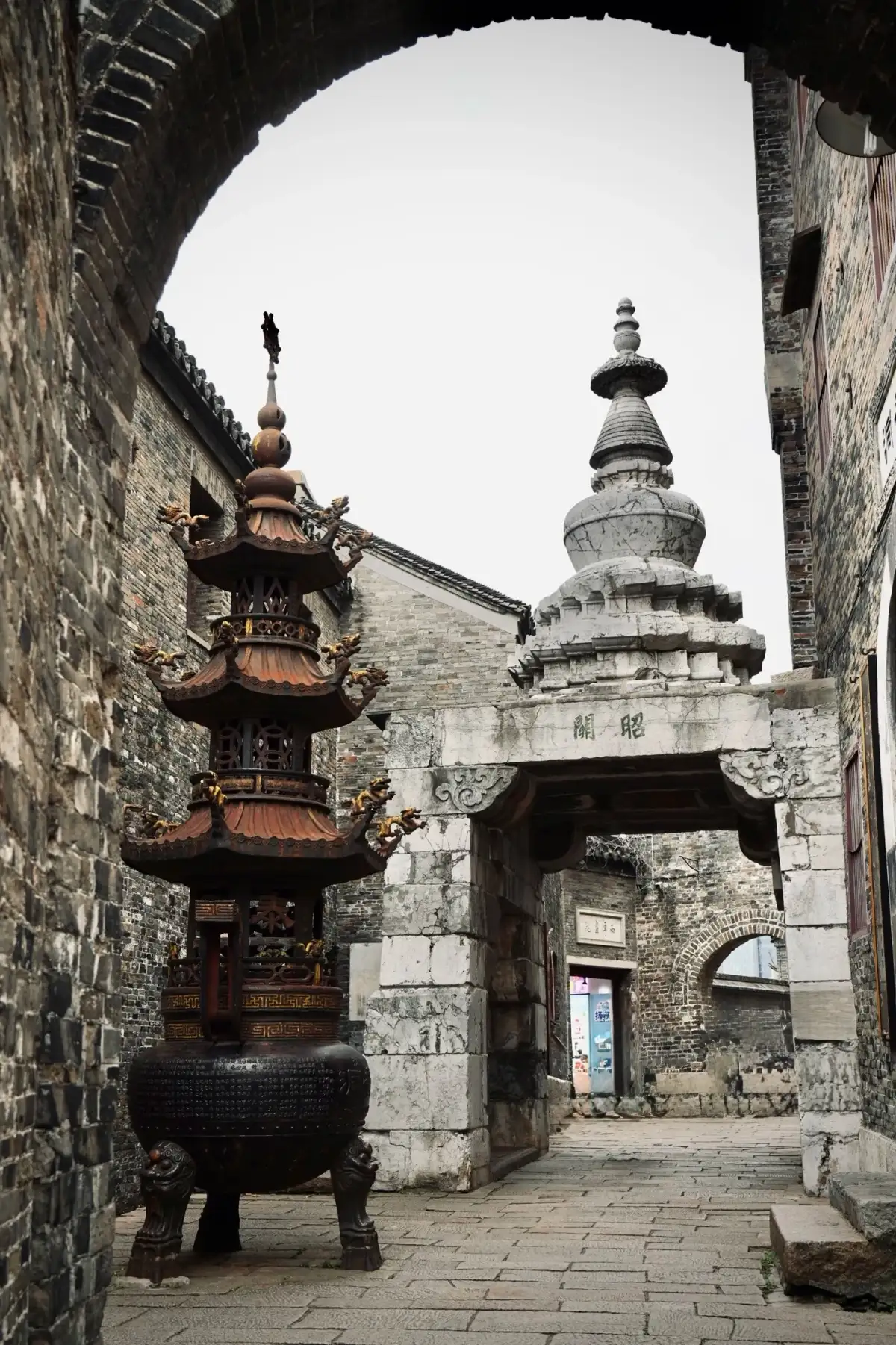
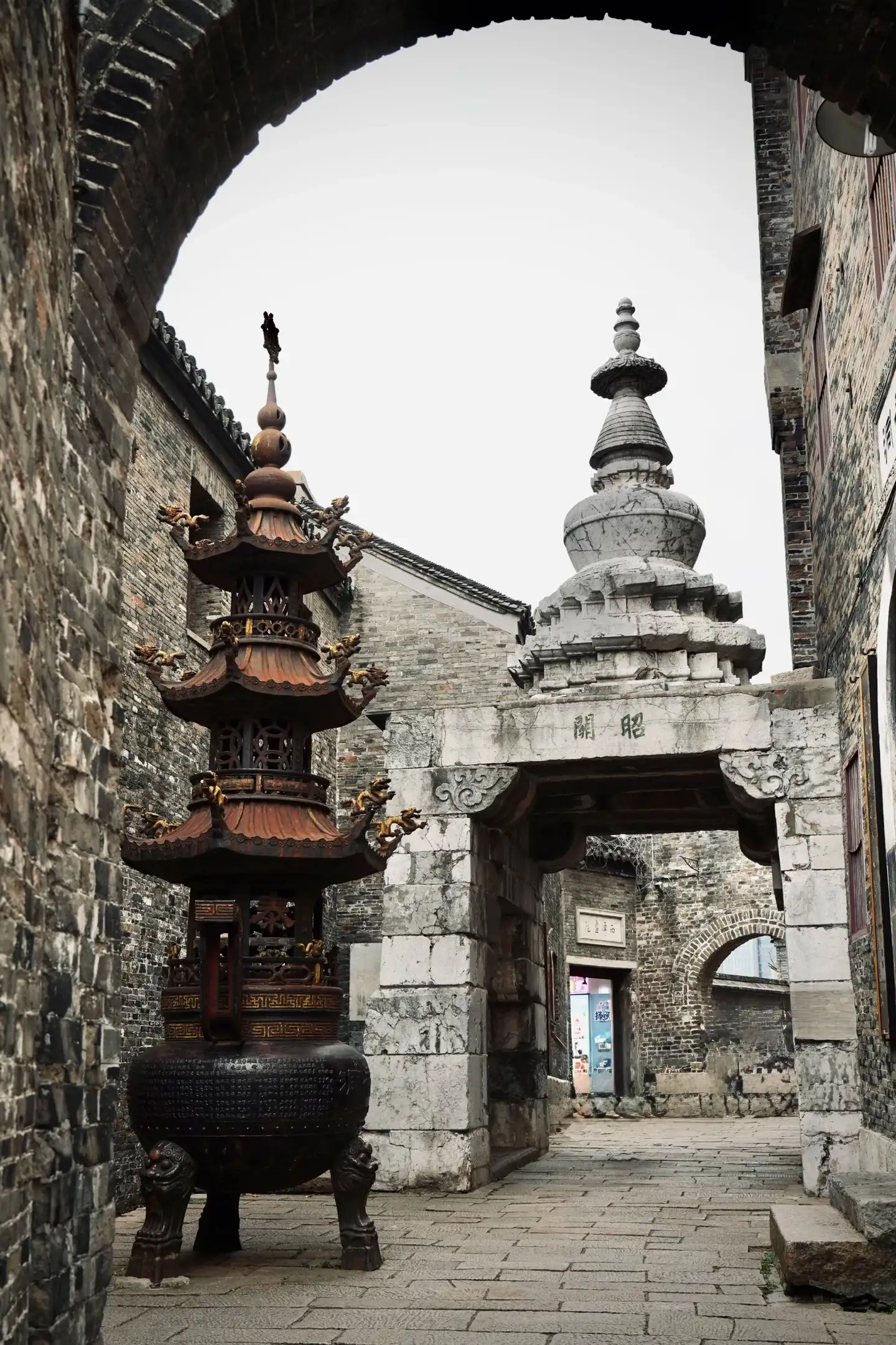
The Stone Pagoda at Zhaoguan and the Alleyways of Xijindu. Image source: Xiaohongshu · Xiao Pengpeng
Stone Steps Alter the Pace of the Street
The slopes and steps of Xijindu naturally slow you down. While straight roads allow you to see far into the distance at a glance, steps draw your gaze to the ground beneath your feet, then gradually lift it toward the buildings above. First, observe the rise of the path from the bottom; then, look back from the top to sense how shopfronts, eaves, and walls unfold along the slope. The texture of the stone slabs also appears to change depending on your vantage point and the light—it’s not merely the weathered hue seen in photographs.
, pay attention to the width of the steps and the space for passing on either side; avoid stopping suddenly at corners to take photos. The ground is slippery after rain, so the traction of your shoe soles is more important than the shoes’ appearance; those with large luggage should settle into their accommodations first before visiting. Visitors with knee discomfort should inquire in advance about access routes with fewer steps or alternative paths; do not assume that everyone can navigate the area with ease simply because the neighborhood appears small. Choosing a slope that you can walk comfortably along also helps you understand the area’s elevation changes.
Here, you can also compare the thresholds on either side of the steps. Some entrances meet the current street level, while others require climbing one more small step, so the storefronts do not stand neatly at the same height. Walk up to observe the horizontal eaves, then look at the elevation of the ground from the side to see how the buildings adapt to the sloping terrain. Focusing your observation on a small section makes it easier to see clearly than a quick glance down the street. The wear on the center and edges of the stone steps differs, and rainwater may pool in the lower areas, so be sure to place your feet in secure spots; a pair of shoes with good traction makes it easier to examine the bricks, look at the doors, and glance back at the tower.
The Zhaoguan Stone Pagoda places the architecture above the path of pedestrians
The Zhaoguan Stone Pagoda is one of Xijindu’s most recognizable landmarks. According to official Jiangsu sources, it is a “cross-street pagoda,” featuring a passageway at the base and the pagoda structure above. Upon arriving at the site, one first notices this vertical relationship: people and the road pass beneath it, while the tower forms a distinct landmark overhead. Compared to towers that stand alone in a square, this one is more directly integrated into daily movement; one must walk through it to fully appreciate its form.
pause outside the archway to observe the proportions between the tower and the lower platform, then look back from the other side. The joints between the stones, the supporting structures, and the placement of the inscriptions each convey different information. If traffic conditions permit, you may pass through the archway, but avoid lingering in the center for too long and blocking the flow of people. Include a section of the road in the photograph to illustrate why it is called the “Crossing Tower”; standing a little farther away will make the composition of the road and the tower clearer.
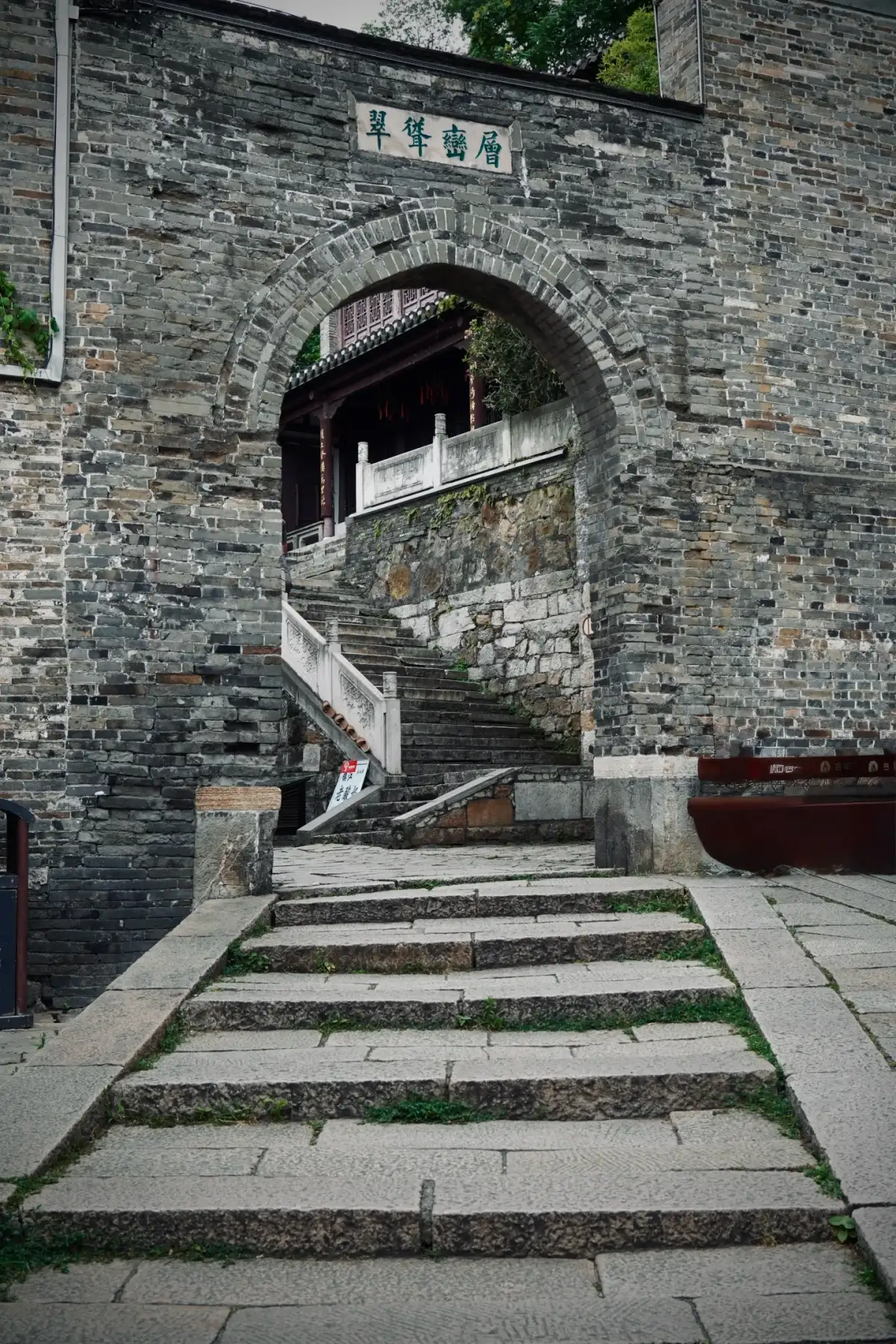
Brick gate and stone steps along the slope at Xijindu. Image source: Xiaohongshu · Xiao Pengpeng
An ancient street often encompasses multiple eras
As you continue walking around the pagoda, you’ll notice changes in architectural styles and materials. The eaves of traditional townhouses, the facades of modern buildings, and later commercial structures may stand side by side along the same stretch of road. When observing them, start by distinguishing them based on visible features, then use cultural heritage descriptions to identify their eras; while their overall color tones may be similar, the periods of their construction and use may be far apart.
Xijindu’s appeal lies in this layering. One archway may continue an old passageway, while another’s interior has taken on a new commercial function; thus, the street serves as both a heritage space and a contemporary public living area. For foreign visitors interested in architecture, consider these three questions: “What is in use? What is on display? What needs to be preserved?” Even without a complete historical context, the arrangement of windows, the distance buildings set back from the street, and the relationship between walls and the sloping road are sufficient to help distinguish different spaces.
Modern architecture brings the connection between the river and the port to the streets
The area around Xijindu features modern historical buildings and related exhibits. If you’re interested, you can choose a formally open site to explore further. These sites reveal that Zhenjiang isn’t just defined by the memories of its traditional ferry crossing but is also connected to modern ports, transportation, and urban life. Before entering, be sure to check the institution’s name, open areas, and reservation policies; do not assume that just because a building’s exterior is visible, it is always open to the public.
exterior, you can observe the slope and the positioning of the buildings together. Do the buildings hug the street, or are they set back on higher ground? How do the windows and doors respond to the road’s elevation changes? These spatial relationships are far more concrete than simply labeling the architecture as “European-style.” When it comes to historical identity, functions, and events, rely on exhibits and official explanations, and avoid legendary accounts that are difficult to verify. The advantage of a city block is that different eras are not scattered far apart; within a single walk, you can see how the city’s functions have changed over time.
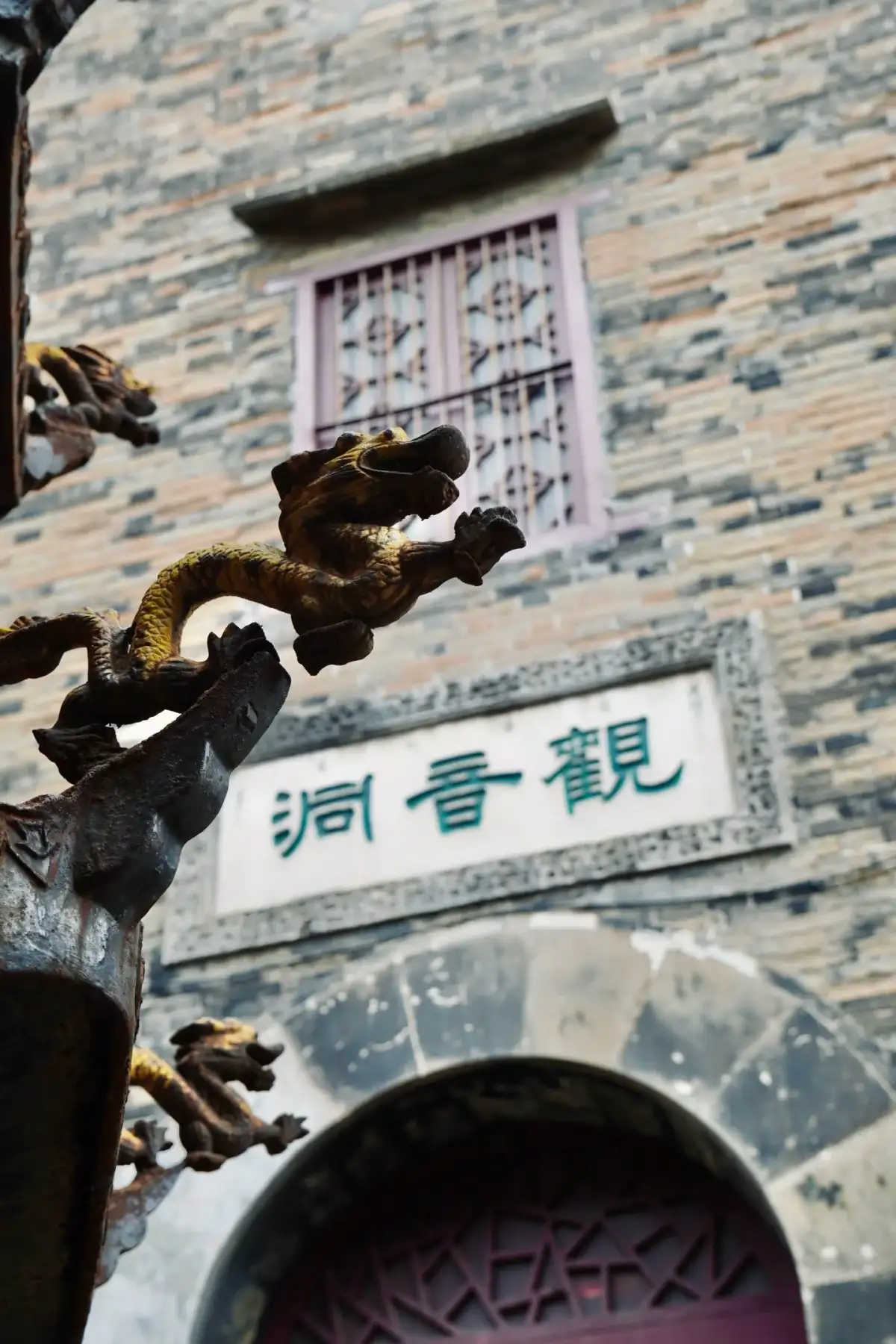
Inscription and incense burner decorations at the Guanyin Cave in Xijindu. Image source: Xiaohongshu · Xiao Pengpeng
Climbing to a Higher Vantage Point or the Riverbank—Choose One for the Second Half of the Walk
If you wish to continue, you can choose between the climb toward Yuntai Mountain or a stroll along the riverbank, depending on your stamina. The climb places the neighborhood within the context of the larger landscape, while the riverbank brings the ferry theme back to the water. Both options are worthwhile, but attempting to do both in half a day might turn what should be a leisurely exploration of the architecture into a constant rush. Ask yourself first whether you’d rather see the big picture or get closer to the water; that will make it easier to decide which route to take for the second half of the walk.
climb, check the open routes and stair conditions, and stick to the official trails; before heading toward the river, confirm the neighborhood exits and actual connecting roads—don’t use the imagined location of the ancient wharf as a navigation point. Weather and visibility affect distant views; the same mountain contours aren’t always clearly visible. Along the waterfront, you may encounter strong winds. If you’ve already spent a long time in the neighborhood, sitting down at a safe, open spot to look back is a fitting way to wrap up your visit—there’s no need to disrupt your rhythm just to “check off one more spot.”
Read the textures by day, read the silhouettes by night
During the day, Xijindu is ideal for examining wall bricks, stone steps, and facade details, while at night, it’s easier to focus on the lighting and the outlines of the eaves. Each viewing experience has its own focus; don’t expect the nighttime lighting to illuminate every information sign and step clearly. If you plan to stay until nightfall, finish your detailed architectural exploration first. After dinner, take a stroll along familiar public streets—avoid exploring unconfirmed, potentially closed alleys in the dark.
Foot traffic and activities vary depending on weekends, holidays, and business schedules. The empty early mornings or crowded nights depicted in social media posts represent only a specific visit. In winter, be mindful of the wind and the cold, damp ground; in summer, slow down on the slopes; and on rainy days, prioritize using stairways and stone-paved paths. Rules regarding ticketing, access to elevated areas, and indoor venues are subject to current official information; prices listed in older guides are no longer valid. For travelers unfamiliar with Chinese, saving the names of exits and return addresses in advance can reduce the need for last-minute communication after dark.
With a bowl of hot food, bring the memory of the slope back to the city
After your Xijindu tour, you can enjoy a hot meal nearby or back in downtown Zhenjiang. If you’d like to try local noodle dishes, don’t make “the most authentic” your only criterion—being able to understand the menu, finding options that meet your dietary needs, and having a place to sit and rest are equally important. For international visitors with allergies or special dietary needs, it’s more reliable to list specific ingredients in writing in Chinese beforehand than to try to guess the ingredients based on the name of a dish.
Before leaving Zhenjiang, take a moment to reflect on the relationship between the lower passageways and the upper stone pagodas, the shops along the slope and the buildings higher up, and the ancient streets and today’s riverbank. The history of the ferry crossing gradually takes shape amid these variations in elevation and distance. The next time you see the night view of Xijindu, you’ll be able to recognize a stretch of steps you walked during the day, rather than just remembering the colors of the lights; this is the reward of a half-day of slow exploration. It transforms a place name steeped in history back into a segment of the city that can be explored on foot.
Further Reading and References
Compiled and organized by the Dongxing Travel Editorial Department based on publicly available travel notes and listed information. Intended for pre-trip reading; this is not a personal account of firsthand experience. Please verify opening hours, transportation, reservations, and service arrangements according to your actual travel dates.
Xiao Pengpeng · Ancient Buildings One by One ~ Zhaoguan Stone Pagoda 🏯
Jiangsu Publicity Network: Zhaoguan Stone Pagoda
Why is the old ferry story more than the current riverbank?
An Xijindu Zhenjiang walk can read the old port through steps and lane directions without staying beside today's river at every point. Zhaoguan Stone Pagoda details begin with how the structure spans a passage, followed by reliable interpretation. Avoid assigning every building the same age: changing materials along the slopes already reveal layers of the quarter.
Daylight or an evening visit?
Xijindu day or evening views offer different subjects. Daylight helps compare stone surfaces, windows and historical labels, while dusk makes roof and street outlines clearer. With half a day, complete a focused route under one type of light, then choose either a higher viewpoint or the riverfront. Set the return meeting point early so meals and stops on the slopes have room.
Planning references