a day at the botanical garden can easily be defined by a single photograph. Some visitors are looking for massive buttress roots, others want to see Victoria amazonica, and still others simply want to spend a quiet afternoon during their trip. It’s only upon reaching the entrance that they realize the spots featured in photos are scattered across different areas, and even the shuttle cannot replace all the walking. For international families traveling with parents or children, the first thing worth discussing is what they hope to see that day—and how far they’re willing to walk to see it.
小红书作者鑫言把西区的专类园与东区的雨林、绿石林分别记录,强调自己细看两区用了较长时间。陈小凡的笔记则把雨林大树与西区花卉安排在一起,重点是视觉冲击。两篇观察提供了不同兴趣的入口;本文据此提出路线选择,保留个人体验与通用安排之间的区别,不照搬笔记里的价格和用时。
First, clarify what each zone is designed to address.
the Botanical Garden’s official visitor servicessummarize the West Zone as a landscape of gardens and horticulture, and the East Zone as a forest and rainforest experience. The official itinerary also states that vehicles in the East Zone drop visitors off near the entrance, and that the Tropical Rainforest and Green Stone Forest still require walking. This distinction, verified on October 3, 2026, sufficiently explains why “buying a park-wide ticket” and “easily exploring the entire park” are two different decisions.
The West Zone is ideal for exploring with a comparative mindset. After examining one type of leaf, look for another with a different outline; observe how leaf surfaces touch the water near aquatic plants, and see how roots occupy space near the banyan trees. The plant labels provide a basis for discussion during this kind of exploration. For first-time visitors to the tropics, a clearly organized garden can transform a “sea of green” into memories filled with specific names and shapes.
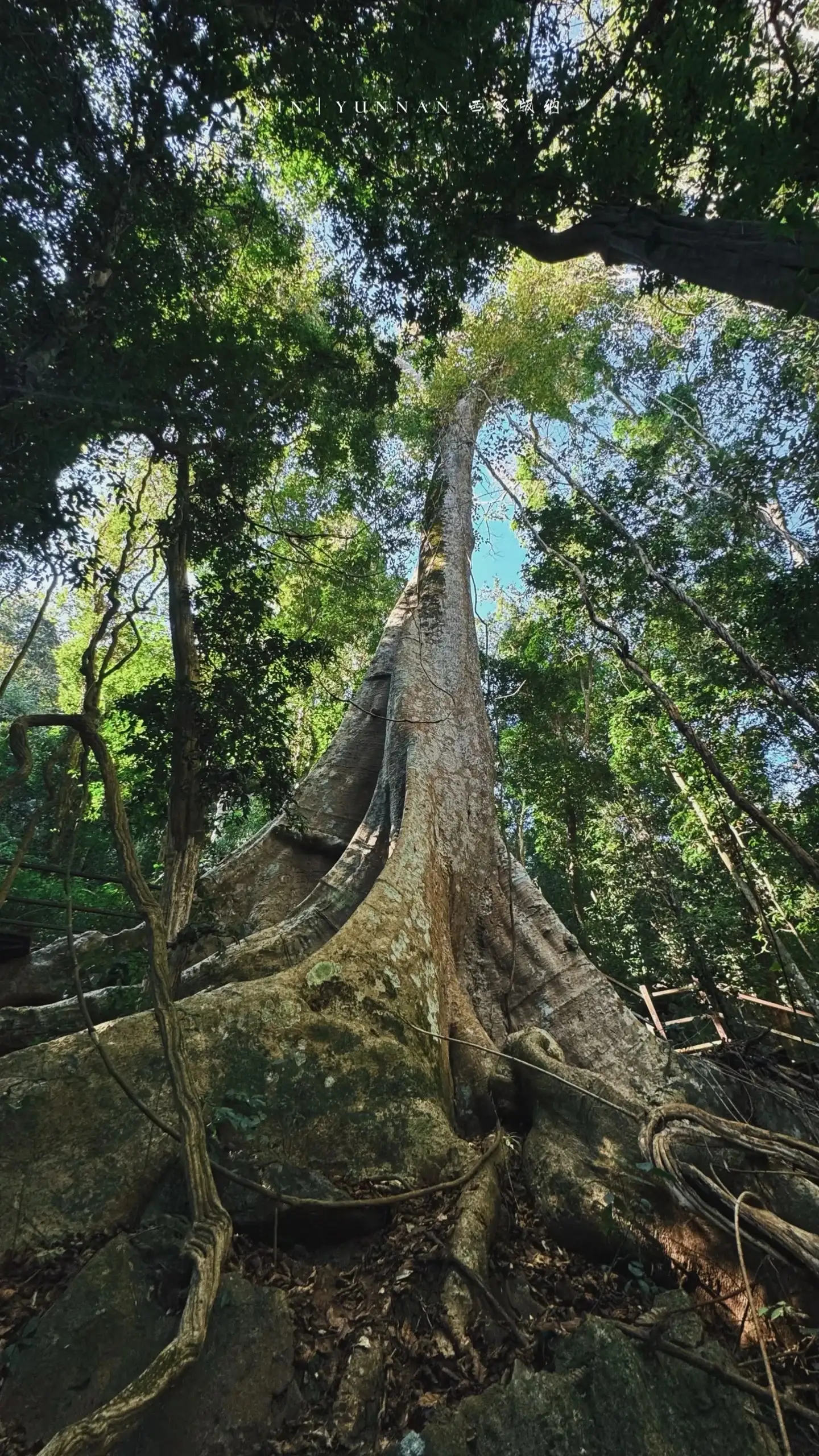
the East Zone is better suited for focusing on the overall environment. The relationships between large trees, vines, the ground, and rocks draw the viewer’s gaze upward and downward, away from individual flowers. The Botanical GardenGreen Stone Forest Science Centerthe description noting the presence of tropical karst terrain and landscapes where trees and rocks blend together. After reading this information, you can walk while pondering the question, “How do tree roots utilize the spaces between rocks?”—and the tree in the photo will then take on its environmental context.
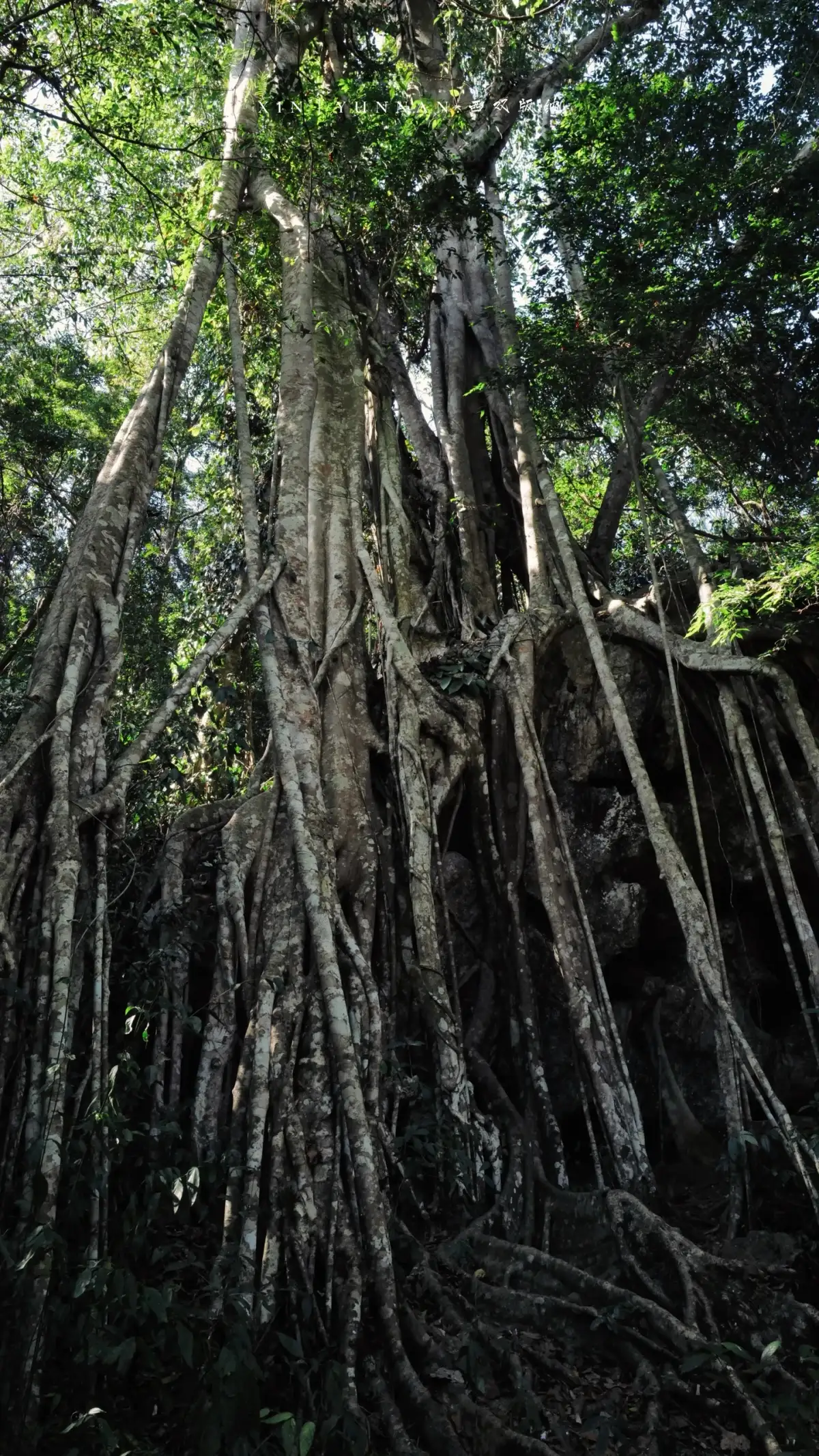
the intertwined aerial roots and vines in the botanical garden’s rainforest. Photo:Xin Yan · Original Post.
a day spent with elders, start by exploring the entire West Zone first
if your companions prefer to walk for a while before stopping to rest, the editor recommends making the West Zone your main route. Officials also prioritize the West Zone for older visitors or those with limited mobility. This choice should still be based on one’s actual mobility and cannot be determined solely by age; within the same family, some may prefer continuous walking, while others may prefer to examine a specific area in detail, so everyone’s pace should be discussed before entering the park.
In the West Zone, you can select a few specialized gardens with distinct characteristics rather than simply checking off every name on the map. For example, start with the aquatic plants, then observe the palms or banyan trees, and finally choose a shaded plant habitat. Each transition presents your eyes with a new point of interest and reduces the fatigue that comes from rushing past similar scenery. Upon arriving at a site, first check the guide to confirm how to return to the next section, then decide on the walking route.
you can decide after your lunch break whether to add the East Zone to your afternoon itinerary. If you’ve already completed your desired observations in the morning, setting aside time for lunch, organizing photos, and reading a few interpretive signs still makes for a fulfilling trip. For families needing luggage transfer or planning to return to Jinghong the same day, it’s more practical to finalize your departure arrangements in advance. Specific return bus schedules, meeting locations, and park exit procedures will be confirmed by official services on the day of your visit; be sure to allow extra time for waiting at the bus stop in your itinerary.
the family-friendly route requires small, repeatable tasks
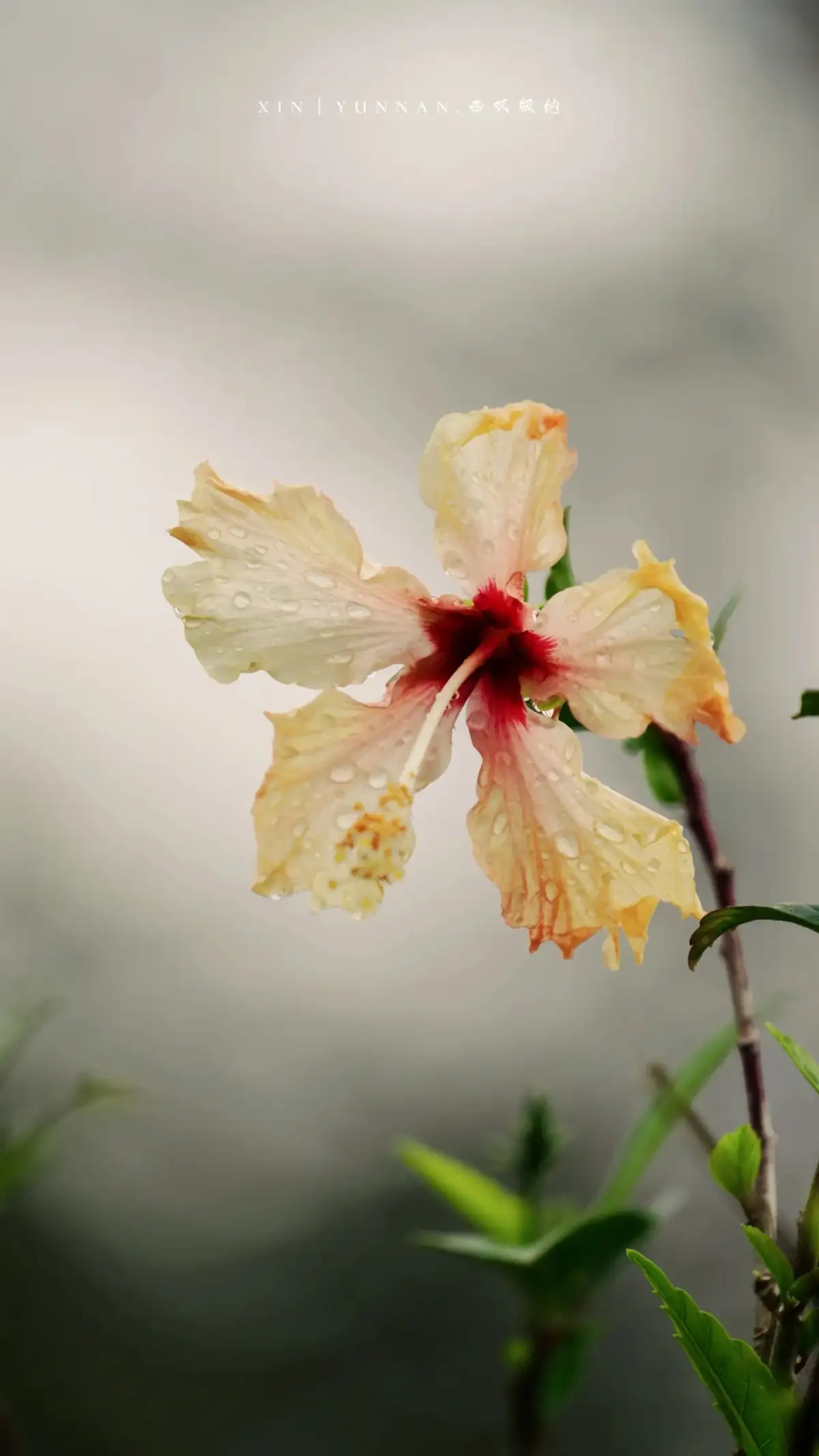
close-ups of pale yellow petals, red flower centers, and foliage. Photo:Xin Yan · Original Post.
a child’s interest in massive tree roots does not necessarily mean they are willing to keep walking. Starting with a few easy observations in the West Zone before moving on to the East Zone allows the day’s activities to progress naturally. Suitable small tasks include finding two leaves of different shapes, observing where a plant on a label is native to, and drawing the point where the roots connect to the trunk. Tasks should focus primarily on looking and recording; picking specimens can damage the subjects being observed and may also affect the park’s plants.
when visiting with school-age children, let them choose one plant to be the “star of the day.” Start by sketching its outline, read its name, and then look for how it differs from another plant. Parents don’t need to answer every scientific question on the spot; jotting down unfamiliar terms and looking them up together in the botanical garden’s resources back at your lodging is also part of the learning experience. Being able to describe the characteristics of a tree leaves a more lasting impression than simply memorizing a list of attractions.
if you enter the East Zone, the focus shifts to spatial observation: why do the tree trunks appear so tall, why are there rocks underfoot, and how does the vegetation change between what you see ahead and behind you. The massive buttress roots are ideal for establishing scale with people in the distance, but photo locations are limited to the open paths. Seeing other visitors climb the tree roots does not mean such actions are permitted by the park; the way parents model their approach to viewing the park serves as a natural science lesson for children in itself.
nature enthusiasts, make walking through the East Zone the theme of the day
visitors already familiar with conventional gardens who are particularly interested in forest environments can make the East Zone a core part of their day’s itinerary. The editor recommends first determining the key observation points for the Tropical Rainforest and the Greenstone Forest: the former focuses more on plant stratification, while the latter emphasizes the interplay between trees and rocks. Whether your route covers both areas should be decided based on the day’s guided tours and your physical stamina, to avoid spending all your observation time rushing to a distant photo spot.
once you enter the forest, try standing for a moment at a spot where you’re allowed to linger. First, look at the foreground; then, observe the middle layer; finally, look up to find the light filtering through. Photos taken this way usually have more structure than those taken by continuously holding your phone up as you walk along the path. If you want to record plant names, take a photo of the nameplate first, then a wide shot of the plant itself; this will help prevent mix-ups when organizing your photos later. For plants you’re not sure how to identify, simply label them “plant to be identified” in your notes.
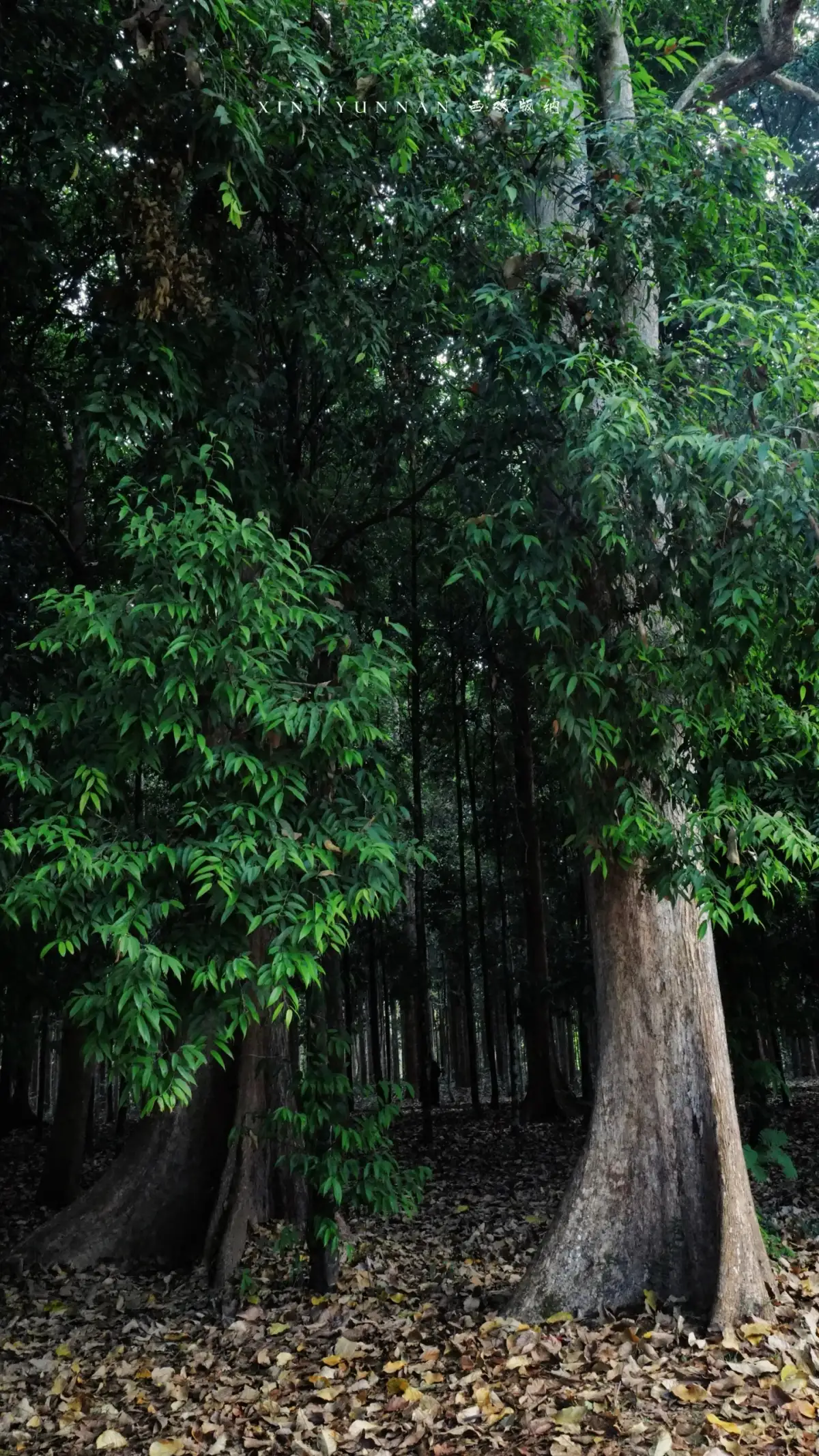
tall trees, bamboo groves, and the leaf-strewn ground in the botanical gardens. Photo:Xin Yan · Original Post.
observing plants in the East and West Zones can also complement each other. The West Zone allows you to examine a single plant in detail, while the East Zone helps you realize that plants exist within a network of relationships. If you have a full day, combining these two approaches is highly rewarding; if time is limited, choosing based on your interests will yield clearer insights. Nature observation is not a competition where “the more you see, the more successful you are”; discovering a single morphological relationship is enough to change your viewing habits going forward.
photographing the garden and the rainforest, you’ll need two different sets of shots.
the garden’s visual composition can be developed through color blocks, leaf shapes, and water surfaces. In the rainforest, it’s worth focusing on scale: how the high tree canopy looms over the frame, and how the roots in the foreground relate to a person’s height. Chen Xiaofan’s original post highlighted compositions featuring buttress roots and flowers, reflecting the distinct appeal of each type of scene. The editor suggests selecting one specific subject to focus on before setting out, to avoid spending the entire day constantly searching for all the designated locations listed in various notes.
the subjects for photography will change with the seasons and weather. Official visitor services specifically note that there are optimal viewing times for the Victoria amazonica; this means that the condition of the plants shown in online photos cannot be directly extrapolated to your own visit date. When planning your photography, you can prepare alternative subjects, such as leaf veins, tree trunk textures, or the interplay between plants and rocks. Even if the floral conditions on the day of your visit do not meet your expectations, you can still complete your photography theme centered on tropical forms.
paths and equipment after rain require special care. Lightweight, easy-to-hold gear allows you to refocus on observation, and the easier it is to access items in your backpack, the more comfortably you can pause on the spot. Photography groups should stay on one side of the path and yield their spot to other visitors once they’ve taken their photos. If you plan to use professional equipment, conduct commercial photography, or arrange a special experience, you should first inquire with the park administration about applicable requirements; personal travel logs cannot be treated as permits.
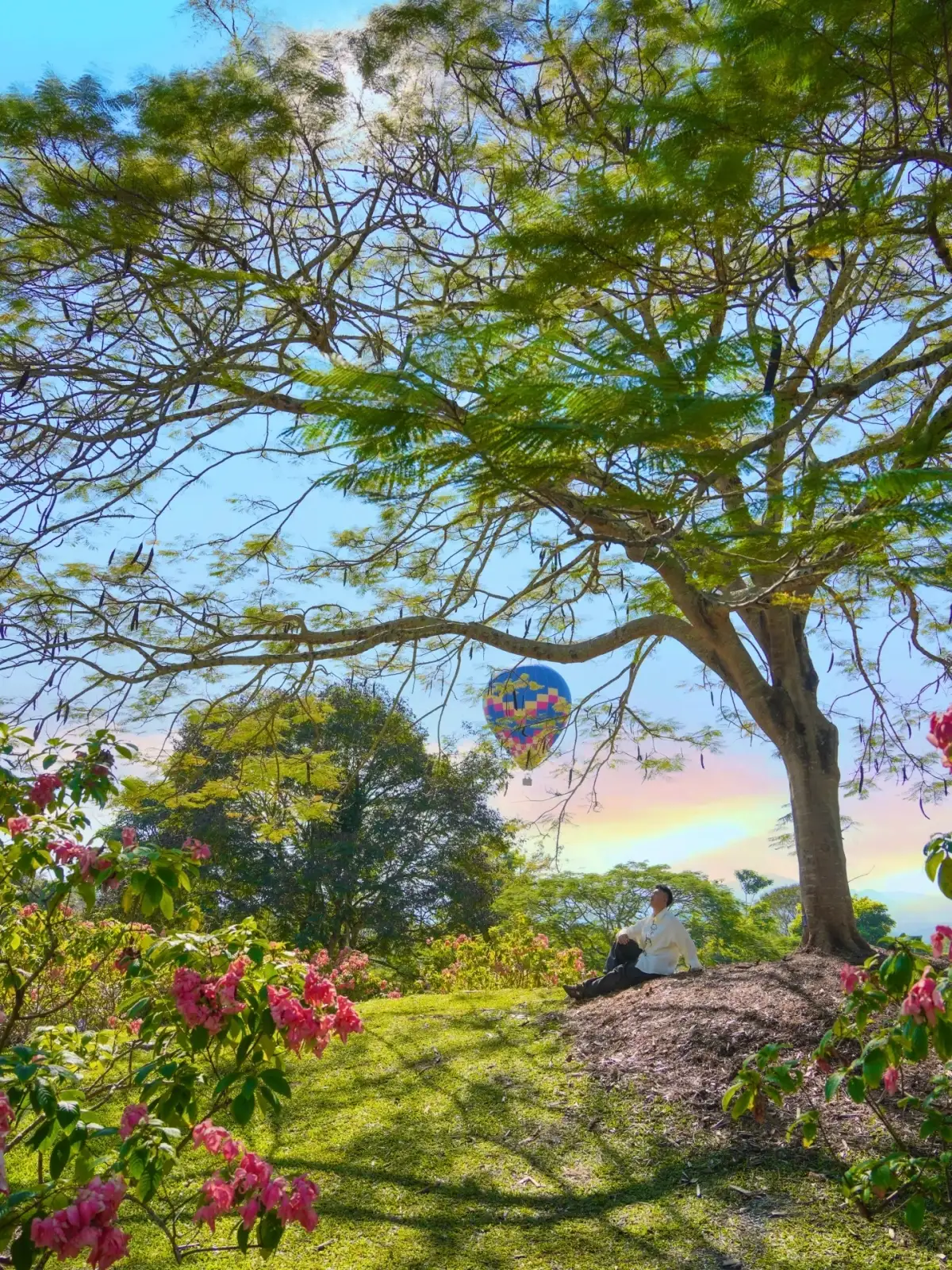
the grassy areas beneath flowering trees, among the flower beds, and against the distant glow of the sunset. Photo:Chen Xiaofan · Original Post.
Three practical considerations to help you decide how to plan your day
“If I only have half a day, can I see both sections?” The editor recommends choosing one side as your main route. The park provides a general estimate for tour duration, but personal close-up observations of plants, waiting in line, and rest breaks will all add to the time. While rushing through each section might yield more photos, it will undermine the botanical garden’s most valuable aspects: comparison and interpretation. Spending half a day in the West Zone is ideal for horticultural and family-oriented exploration; visitors whose sole objective is the rainforest should confirm with the garden staff whether the East Zone is accessible that day.
“Will I still need to walk after taking the shuttle?” Yes. The official information clearly states that the East Zone shuttle drops off near the entrance, and the rest of the journey is on foot; and in the West Zone, you’ll also need to move between designated stops and the plant displays. If a companion has specific mobility needs, you should inform the park staff or a tour advisor of those needs—for example, whether they can navigate stairs or how often they need to rest. Asking specific questions like these is more likely to yield actionable answers than a general inquiry such as “Is this suitable for the elderly?”
Starting from the official entrance, handle ticket purchase and transfers separately
The park’s visitor services page provides a link to its WeChat Mini Program, where you can book park admission tickets, shuttle tickets, and related guided tours separately. Before booking, determine your date of visit and planned areas, then review the inclusions listed in the product description. Visitors holding foreign passports should confirm with the garden how to complete the registration and ticket validation process: the current Chinese instructions are primarily based on the procedures for second-generation ID cards, so the process for domestic visitors cannot be directly applied to passport holders. Clarify this in advance so you can proceed according to the confirmed method upon arrival at the entrance.
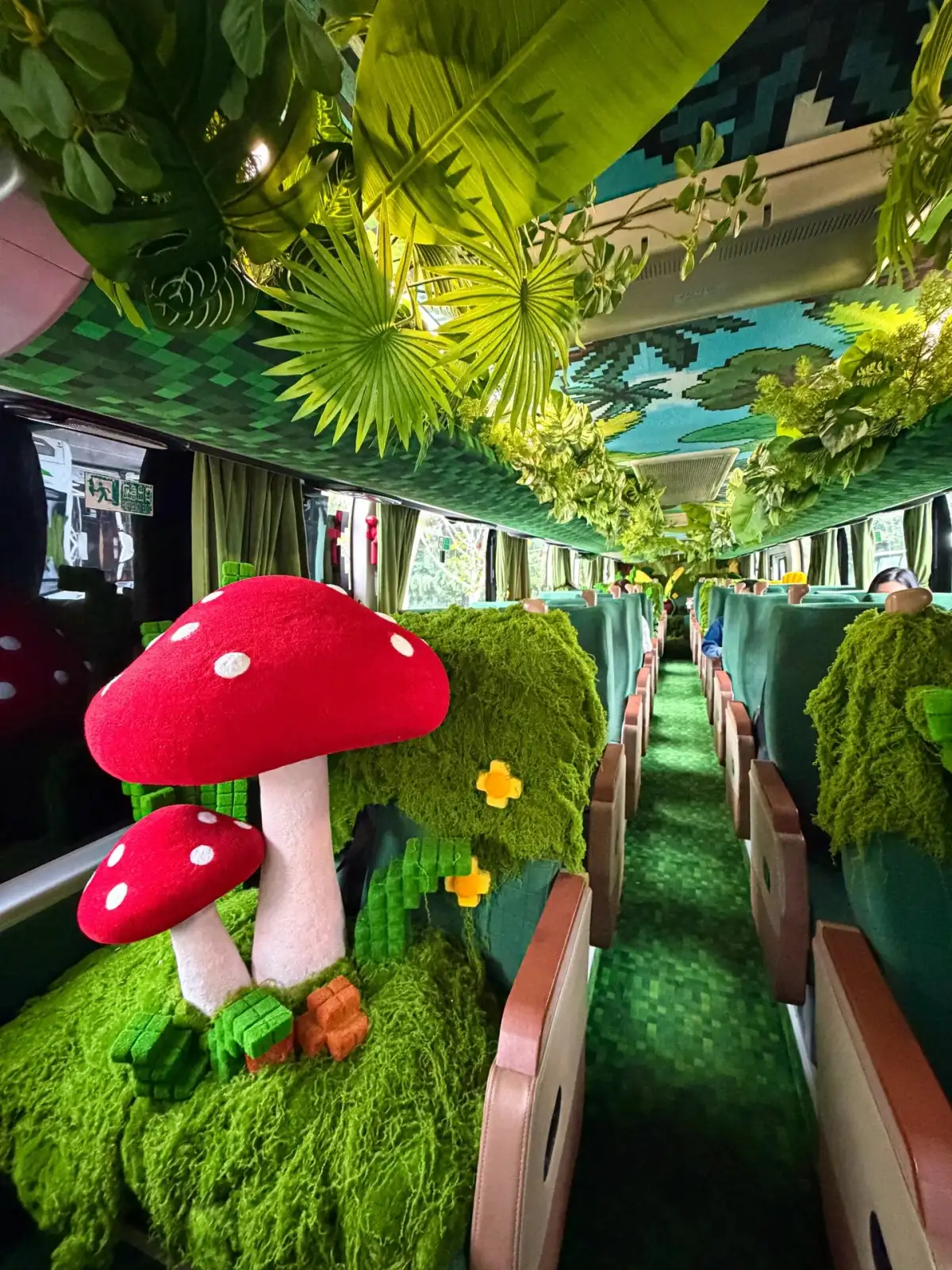
Green plants and red mushroom-shaped decorations between the train car seats. Photo:Chen Xiaofan · Original Post.
If you plan to tour the entire park, you can visit the West Zone first and then transfer to the East Zone via the Hundred Fruit Garden Station or the sightseeing bus transfer station. The official route takes you first to the Green Stone Forest, then to the Tropical Rainforest, and finally out of the park by bus. Families can use this information to schedule a midday break before entering the East Zone and decide whether to continue through both walking areas. Upon arrival at a stop, confirm the stop name and the direction of the next leg of the route; peak-hour routes may be adjusted, so on-site signage and staff instructions will determine how to proceed on the day of the visit.
A practical itinerary for the West Zone could start with a comparison of shade-loving and aquatic plants, followed by palms and banyan trees, and conclude with either the Fruit Garden or the Lianas section. These names correspond to actual areas in the garden’s guided tours; the specific sequence should be determined based on which sites are accessible that day. If time is limited, stick to the first half of the itinerary; families seeking a more in-depth experience can add the latter half. Once rest areas and observation spots are identified, each move has a purpose, making it easier to shorten the itinerary.
The night tour is a separate activity; official guidelines require participants to follow a professional guide, and the tour is primarily on foot. Families who have already spent a significant amount of time observing during the day should consider their children’s rest schedules before deciding whether to participate. Those wishing to focus on the nighttime natural environment can directly check the day’s scheduled sessions and activity requirements; do not assume that daytime admission tickets or transportation tickets automatically cover the night tour. Daytime and nighttime activities each offer their own unique experiences, and choosing either one can provide a complete and fulfilling experience.
“How can I incorporate this into my Xishuangbanna itinerary?” Start by estimating the time required for the day at the botanical garden separately from the city’s nighttime activities. Time spent on observations within the garden, dining, entering and exiting the park, and the round trip to Jinghong are all actual time commitments. Provide the travel consultant with details such as the number of people, the children’s ages, primary interests in plants, and return travel requirements to help the consultant verify transportation and stay arrangements; the specific itinerary and quote will still be confirmed by the consultant. Once your vision is clear, this day in the greenery will become a journey you can savor at your own pace.
Source and Editorial Notes
This article is an original travel analysis compiled by the Dongxing Travel editorial team based on the listed information; it is not a firsthand account by the author. The full text of the original post has not been reproduced; accompanying images are used within the scope of authorization and are credited to the author and the source of the original post. They do not serve as proof of actual travel experiences or services provided to Dongxing Travel clients.
Xin Yan · Xishuangbanna Botanical Garden | A Complete Guide to One-Day Itineraries for the West and East Zones · Travel Notes; Verified/Updated: October 3, 2026.
Chen Xiaofan · (Yunnan) I rarely use the word “stunning” to describe a place! · Travel Notes; Verified/Updated: October 3, 2026.
Xishuangbanna Tropical Botanical Garden, Chinese Academy of Sciences · Visitor Services and East-West Zones Recommendations · Official sources; Verified/compiled on: October 3, 2026.
Xishuangbanna Tropical Botanical Garden, Chinese Academy of Sciences · Green Stone Forest Travelogue & Science Popularization · Official sources; Verified/compiled on: October 3, 2026.