
Parks and teahouses
Spend time in public park spaces to see conversation, tea and leisure as part of urban life, rather than reducing Chengdu to a single attraction.
A deeper China. A journey of your own.
Tea-house rhythms and the flavours of Sichuan.
Plan my trip
Chengdu has more to offer than pandas and hotpot. A visit can move from museums and historic streets to a park teahouse, where the pace of public life becomes tangible. Give the city center a coherent stretch of time: learn something about the basin and its history first, then notice how people use parks and neighborhood spaces today. For giant pandas, choose a properly managed conservation or research venue. The point is to understand protection and behavior while respecting the animals’ routines, not to demand a particular photograph. Beyond the city, Dujiangyan is a functioning historic irrigation system, not simply a photogenic bridge. Its channels and water distribution make more sense when you allow time to walk and read the on-site interpretation. Nearby Qingcheng Mountain can be considered if mobility, access and time permit. Sichuan food includes a wide range of flavors besides heat; stating your preferred chili level, tolerance for Sichuan pepper and allergies will make a meal more enjoyable. Chengdu is well connected, yet cross-city trips still consume time. Combining central sights and distant excursions on one packed day usually weakens both. Recheck museum, panda venue and out-of-town access near departure, and adapt to rain, heat and holiday crowds.
Spend time in public park spaces to see conversation, tea and leisure as part of urban life, rather than reducing Chengdu to a single attraction.
Visit an established center for its educational value. Follow quiet zones, distance rules and feeding restrictions; animal activity cannot be guaranteed.
Trace how channels divide and distribute water across the plain, allowing enough time to read the engineering landscape.

Ask for a comfortable spice level and sample contrasting dishes to appreciate fragrance, pepper and lighter preparations.

Start with a museum or historical district, then move to a park or lived-in street to see how the city functions now.
Read habitat and protection interpretation at a managed venue and watch natural behavior without feeding or prompting the animals.
Begin at one museum or historical area, continue to a park teahouse, and leave the evening free for an unrushed meal.
Make Dujiangyan the main focus; add Qingcheng Mountain only if transport and stamina make a second stop realistic.
Stay styles for inspiration. Actual hotels and availability require confirmation.

Accommodation imagery is for style reference. Confirm actual hotels, room types and availability with your itinerary.

Accommodation imagery is for style reference. Confirm actual hotels, room types and availability with your itinerary.
Give Dujiangyan and Qingcheng Mountain their own time, checking transport, walking requirements and current access.
Do not disturb enclosures or expect a scheduled behavior; observe all venue rules.
Keep outdoor walks flexible in rain or heat, and communicate allergies and preferred spice levels when ordering.
Yes if Dujiangyan or mountain heritage interests you. Keeping the center and outskirts apart gives both a more meaningful visit.
Use an established venue, check current access rules, and remember that animal behavior cannot be scheduled.
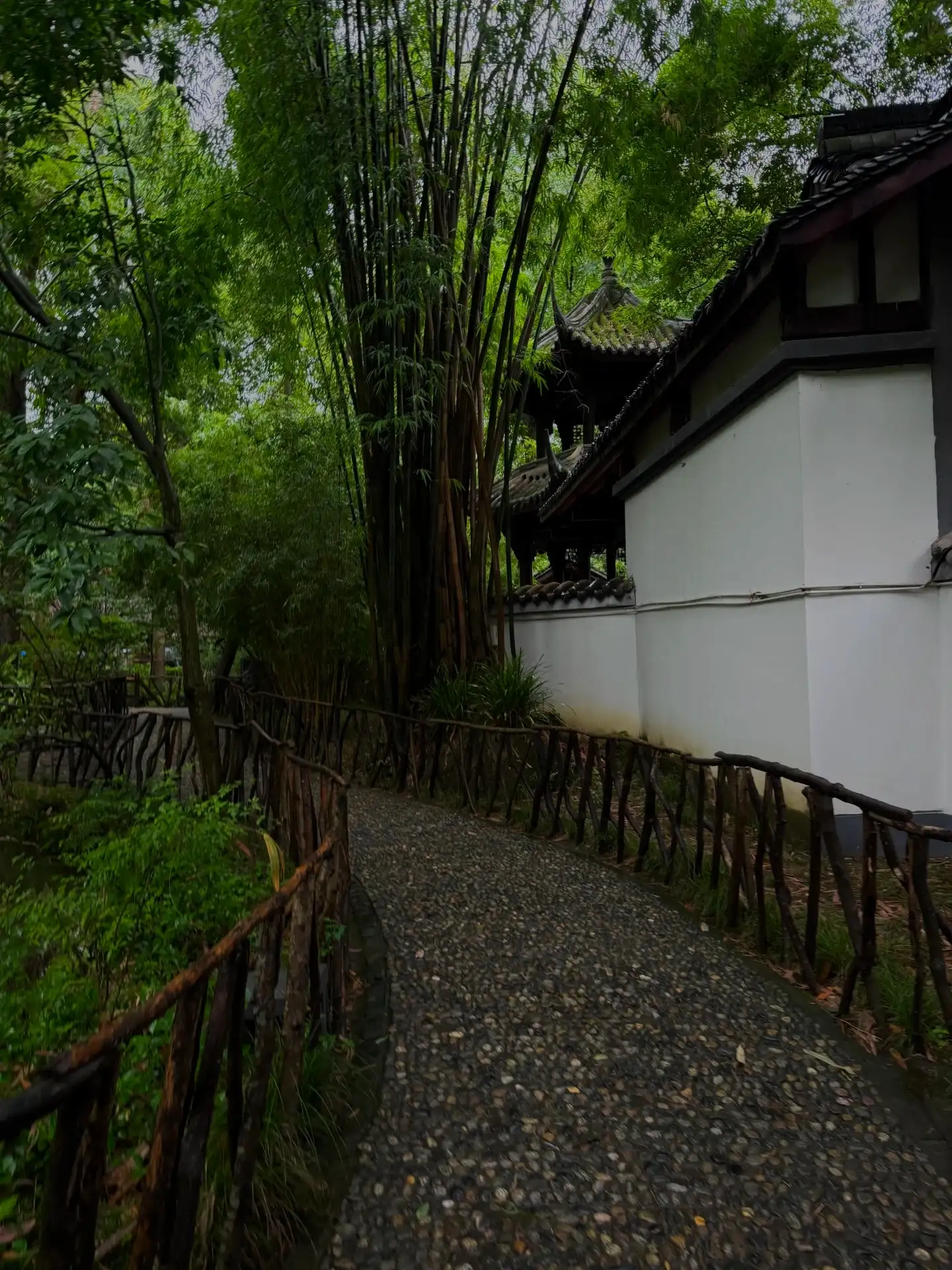
Travel Diary
Between the memorial axis of the Grass Hall, the reconstructed thatched cottage, and the Tang Dynasty ruins, gain insight into Du Fu’s life in Chengdu, then take a half-day stroll along the bamboo path, the water’s edge, and the Huanhua Stream—a walk punctuated by moments of reading and reflection.
Read the journal →
China Travel Guides
Choose one panda location, then combine Wuhou Shrine and a city or ancient Shu museum, allowing time for meals, rest and transfers.
Read the journal →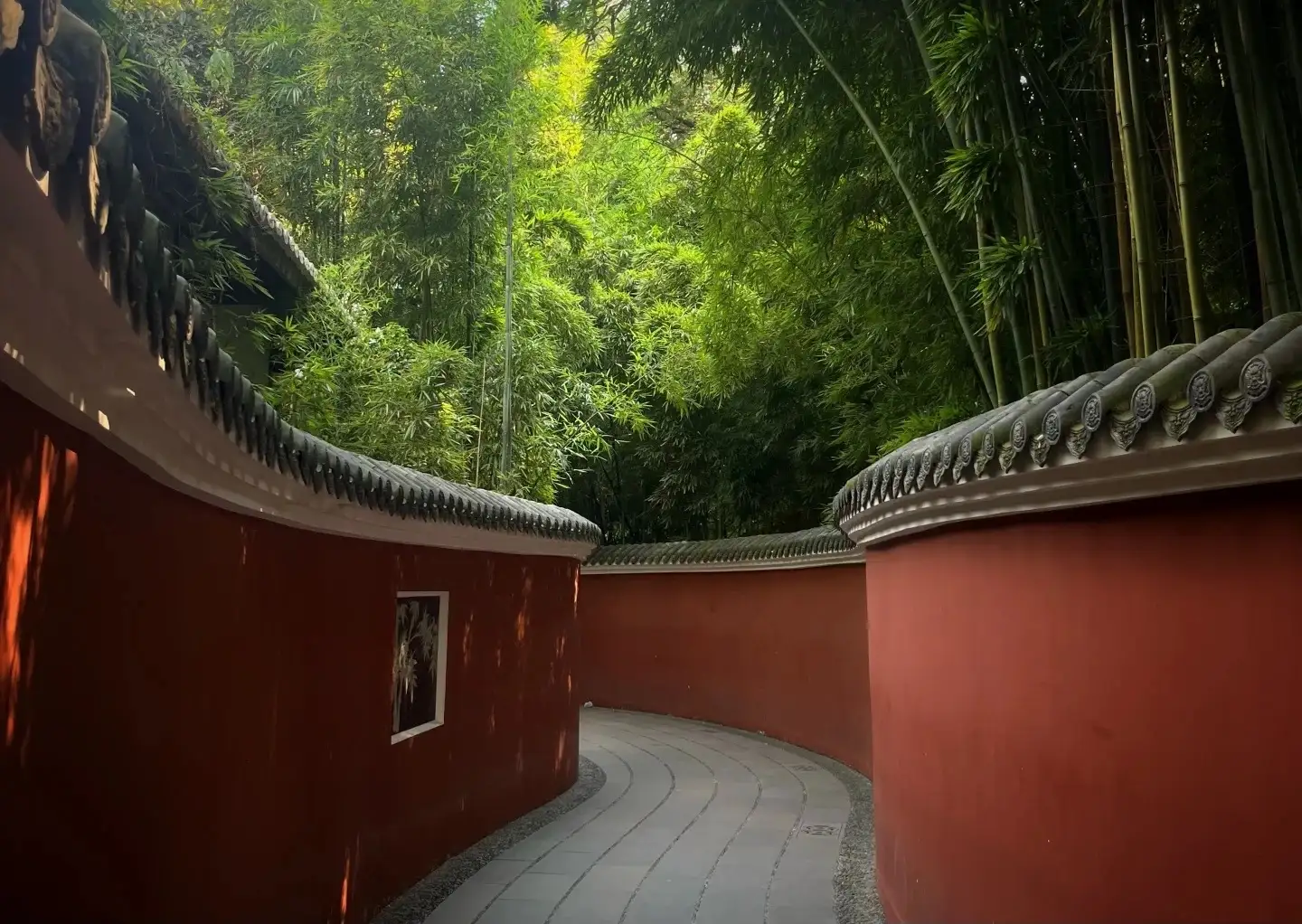
Travel Diary
Wangjianglou Park to bring together the Jinjiang River, the bamboo groves, and the memorial structures dedicated to Xue Tao. Walking from the bamboo path to Chongli Pavilion, then stopping at a tea house, allows one to experience a quiet and tangible side of Chengdu.
Read the journal →
Start with your interests, available time and the right combination of places.

Plan by region and interest, rather than choosing one season for the whole country.

Meet local life with curiosity, consideration and an open mind.
YOUR JOURNEY
Share the places and timing you have in mind, then discuss a suitable route with a guide or travel adviser. Services and availability need confirmation.
Contact a guide about this place
FROM INSPIRATION TO YOUR JOURNEY
A place you dream of. A journey shaped around you.
Plan my trip