
A defensive system in terrain
The wall is one element. Passes, towers and signal points make sense when read alongside ridges and routes through the valleys.
A deeper China. A journey of your own.
UNESCO describes the Wall as a multi-dynasty defence project spanning varied northern landscapes.
Plan my trip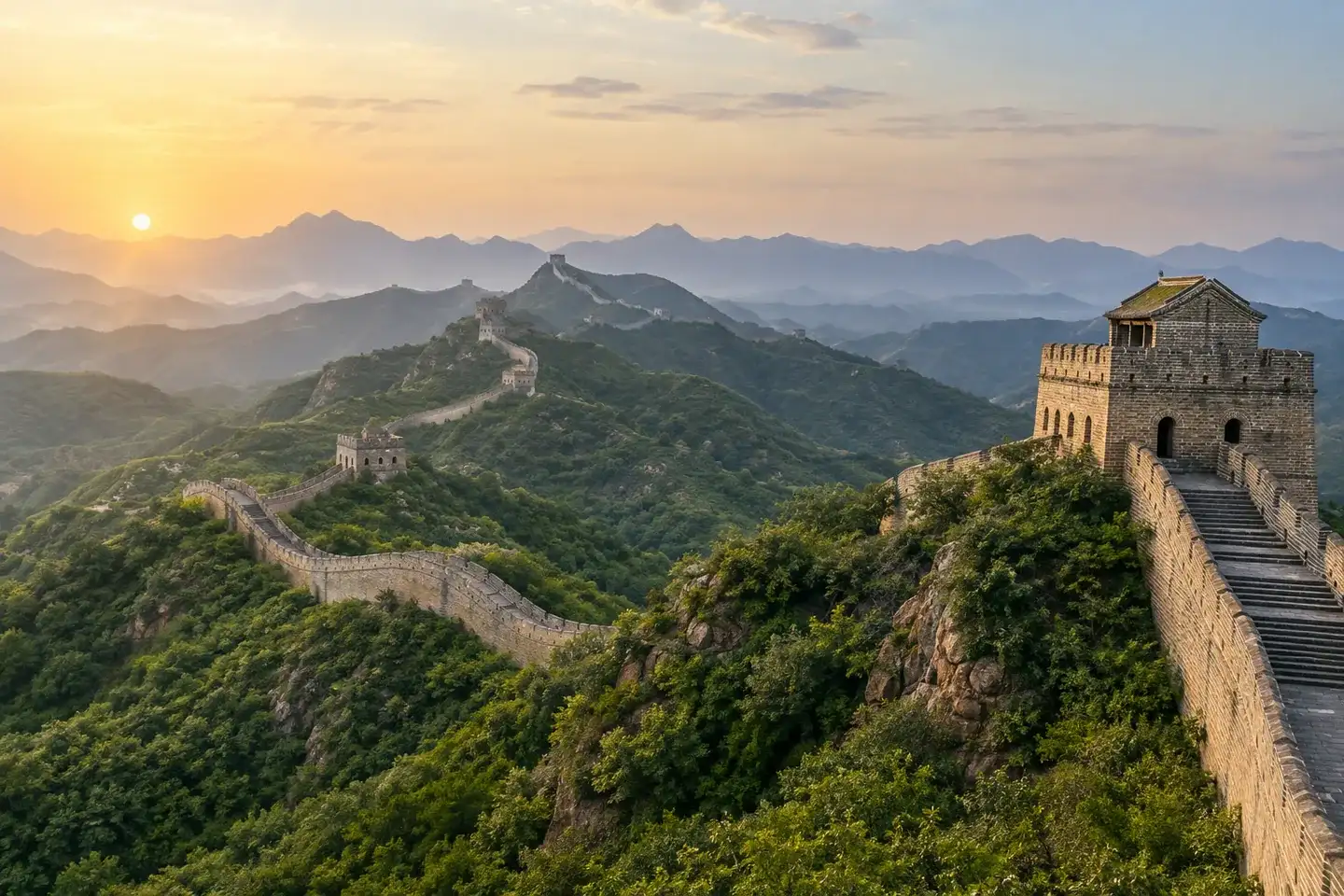
The Great Wall is not one continuous visitor trail. Walls, passes, fortresses and beacon towers from different periods form a vast defensive and communication system across many landscapes. The open sections around Beijing represent only a small part of it, and each differs in gradient, restoration, transport and crowd levels. Choose one section first, then decide how far to walk on that section; “completing the Great Wall” is not a realistic day plan.
On the wall, watch how the route turns along ridges, how towers command views and how passes control valleys. Uneven steps, exposed sun and wind can make the return harder than the outward walk. Stay on authorised open areas, not unrestored wild wall. At a developed site such as Badaling, check the operator’s current reservations and section access. A cableway may replace part of the climb but not every step on the wall.
The right section also depends on your group. A sweeping ridge view may not require the steepest tower, while a longer walker should check stairs and exits first. Children, older visitors or anyone uneasy with heights can still understand the wall from a shorter accessible stretch.
The wall is one element. Passes, towers and signal points make sense when read alongside ridges and routes through the valleys.
Photographs cannot show gradient, uneven stairs, exposure or return options. These practical details matter more than fame alone.
Construction spans different historical periods, while visible stretches have also been conserved or restored. Not every brick has the same date.
Look from valley to crest to understand why the defence line follows particular high ground.
Set a distance and turning point first, then pause between a few towers rather than racing to the farthest point.
Compare slopes, routes and settlements on either side. The structure belongs to a wider landscape of border movement.
Choose one open section as the focus of the day, then set the walking distance around steps, gradients and the return journey.
Verify access and travel in advance. On arrival, read the terrain and choose a realistic outward distance.
Move slowly between selected towers, compare their positions, then return at the planned time or use confirmed site transport.
Many visitors can set out from Beijing for the chosen section. For a nearby stay, compare the real entrance, return transport and next day’s route rather than trusting a “beside the Wall” label.
Beijing-area sites are far apart. Check the true gate, booking, last return service and any separately operated cableway.
Wear grippy shoes and carry water, shade or wind protection. Keep energy for the descent.
Unopened or damaged wall is unsafe for ordinary visitors and vulnerable as heritage. Follow site boundaries.
Usually there is little need. Transfers and walking take time; exploring one section well is more rewarding than rushing between two.
Not necessarily. It usually solves only part of the ascent or descent; check the remaining wall route and its steps.
Travel Insights
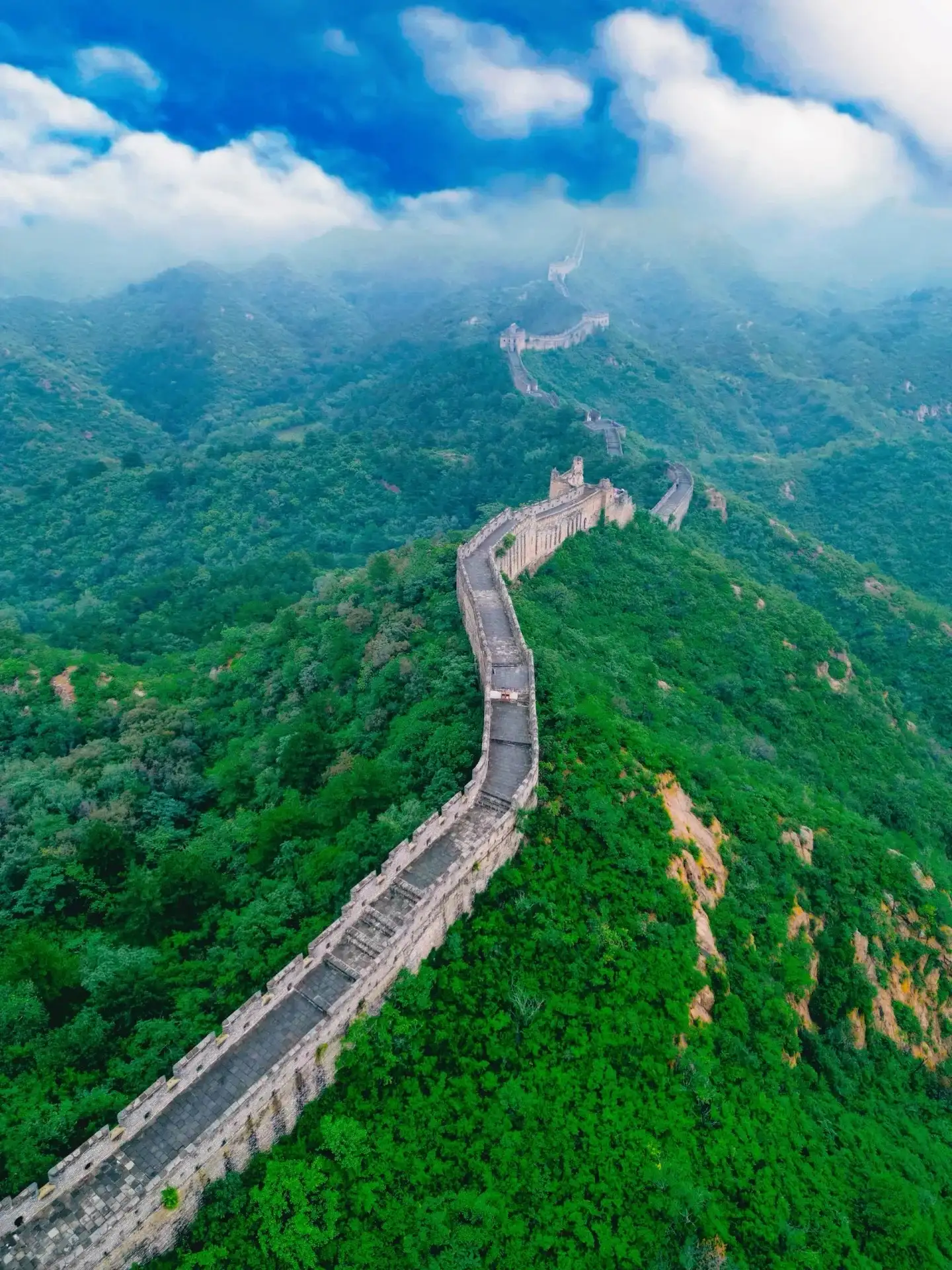
By examining the architectural relationships along the Jinshanling Great Wall, you can interpret the defensive space—distinguishing between distant silhouettes, nearby materials, and the actual walking path—to understand how the walls and watchtowers complement the contours of the mountains.
Read the journal →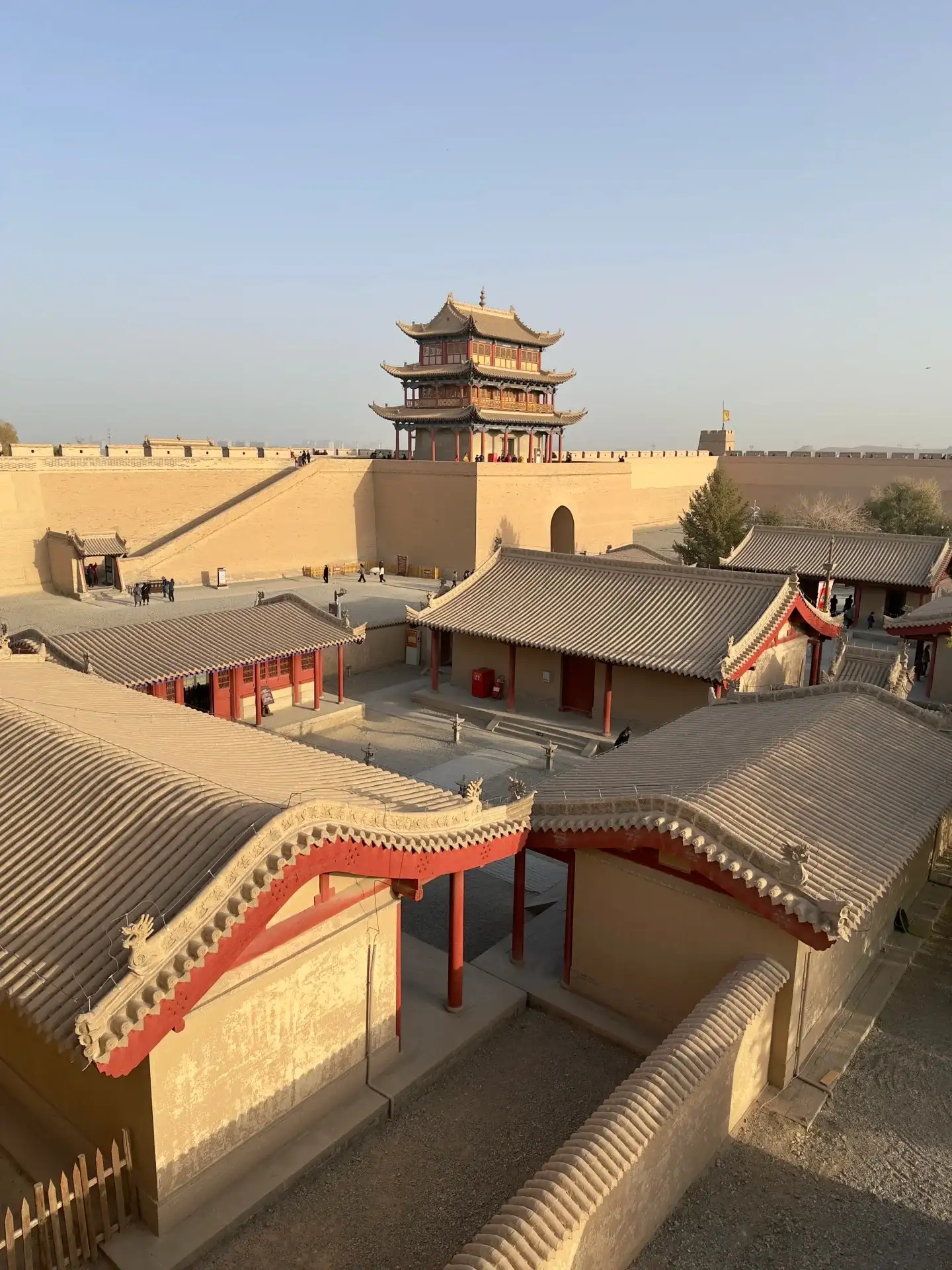
Travel Diary
After passing through the gateways and courtyards, climb onto the open city walls to compare the relationships between the wooden towers, earthen walls, and the open wilderness. Place Jiayuguan back within the context of the Hexi Corridor to see how a defensive passageway connects mountains, rivers, and daily life.
Read the journal →
China Travel Guides
Both can suit a first Great Wall visit. Compare the complete return journey, stairs, lift tickets and passport booking procedures before deciding.
Read the journal →
Start with your interests, available time and the right combination of places.

Plan by region and interest, rather than choosing one season for the whole country.

Meet local life with curiosity, consideration and an open mind.
YOUR JOURNEY
Share the places and timing you have in mind, then discuss a suitable route with a guide or travel adviser. Services and availability need confirmation.
Contact a guide about this place
FROM INSPIRATION TO YOUR JOURNEY
A place you dream of. A journey shaped around you.
Plan my trip