
A millennium of art
Compare a few details of subject, figure, colour and spatial layout across periods instead of trying to remember a cave count.
A deeper China. A journey of your own.
UNESCO describes Mogao as a major cave heritage site at the meeting point of Silk Road trade, religion and art.
Plan my trip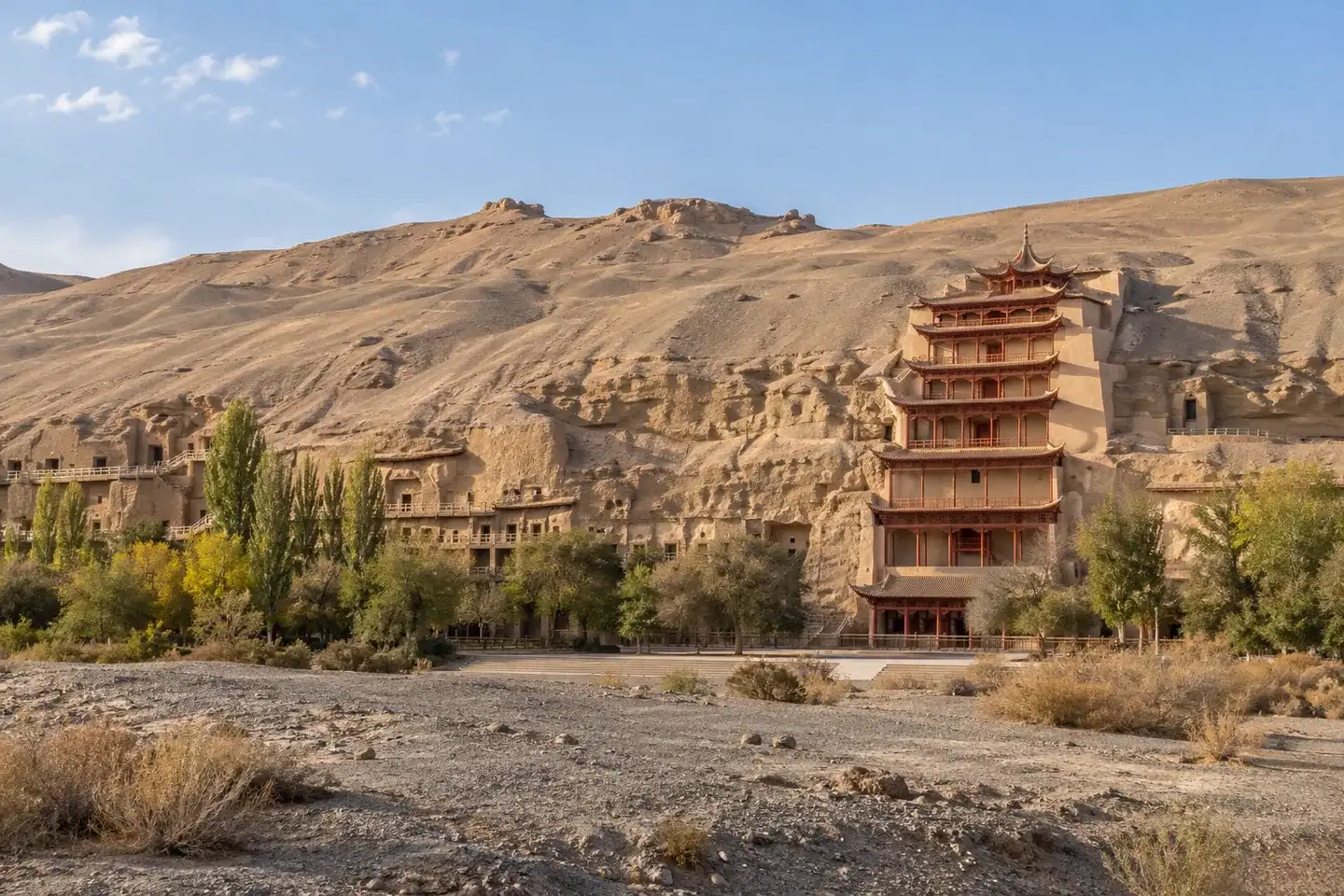
The Mogao Caves lie in cliffs near the Dunhuang oasis. Murals and painted sculpture across many centuries record Buddhist art and exchanges of people, beliefs and material culture along Silk Road routes. This is not an open-air gallery where visitors freely choose cave after cave. Pigments, sculpture and cave environments need careful conservation, so the Dunhuang Academy manages numbers, routes and guided access. Aim to understand a few examples rather than count the largest possible number of caves.
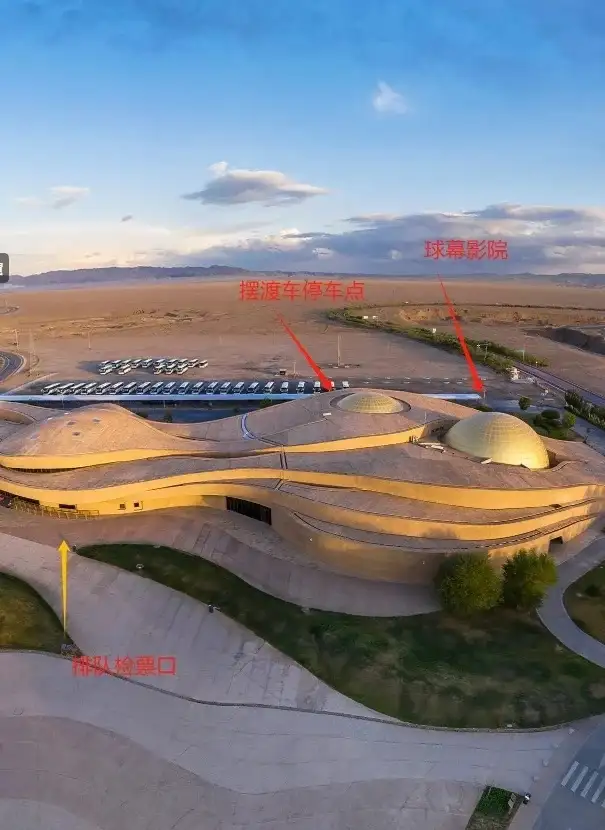
The Academy states that Mogao uses real-name, timed reservations and that the Digital Exhibition Center is the first stop; there is no ticket office at the cave area. Visit modes and cave access can change with season, conservation needs, demand or extreme weather. Do not promise a specific numbered cave. Use the digital introduction to establish context, then follow interpretation inside the physical caves, listening for how subject matter, sculpture layout and conservation limits connect. Leave time afterwards to reflect or explore permitted displays rather than rushing straight to another demanding desert outing.
Light, time and group movement are managed inside the caves. Reading trustworthy context beforehand helps, while on site it is best to focus on details the guide identifies. Use open displays afterwards to complete the chronology and themes.
Compare a few details of subject, figure, colour and spatial layout across periods instead of trying to remember a cave count.
Dunhuang stood at a meeting point of routes and ideas. Clothing, objects and stories in art can reveal cross-regional connections.
Timed booking, guided routes, limited caves and possible weather closures protect fragile heritage. A photo checklist cannot override these rules.
Use the digital introduction and on-site material to understand Dunhuang in time and geography before the physical caves.
Notice how painted scenes relate to walls and sculptures. Each cave has a different focus; listening carefully matters more than trying to photograph everything.
Make notes on themes, people and periods, or use open displays to deepen the story without holding up the next group inside a cave.
Build the Dunhuang day around the reserved cave session, giving interpretation and conservation priority over the number of sights.
Arrive for the official time slot and use the digital display to establish the historical framework before travelling onward as directed.
Follow the open route without assuming particular caves, then leave a pause for reflection rather than an immediate long transfer.
From Dunhuang town, plan the journey to the Digital Exhibition Center, not simply the cliff location. Align hotel breakfast and transfers with the fixed reservation time.
Real-name time slots and visit modes follow current Dunhuang Academy notices. Go to the Digital Exhibition Center first, not to the caves looking for a ticket booth.
Enter and leave with staff; do not photograph without permission or touch paintings and sculpture. Current on-site instructions prevail.
Heavy rain or sandstorms may pause cave access. Avoid a Dunhuang plan that has no alternative time window.
Do not assume so. The visit mode, route and open caves depend on conservation management and the day’s conditions.
The Academy says the Digital Exhibition Center is the first stop and there is no ticket office at the cave area. Follow official timed booking.
Travel Guide
Combined with the Dunhuang Academy’s public visitation rules, this guide explains how to coordinate identity information, the Digital Exhibition Center, luggage, and guided tour requests, allowing international visitors to focus their attention on the cave art.
Read the journal →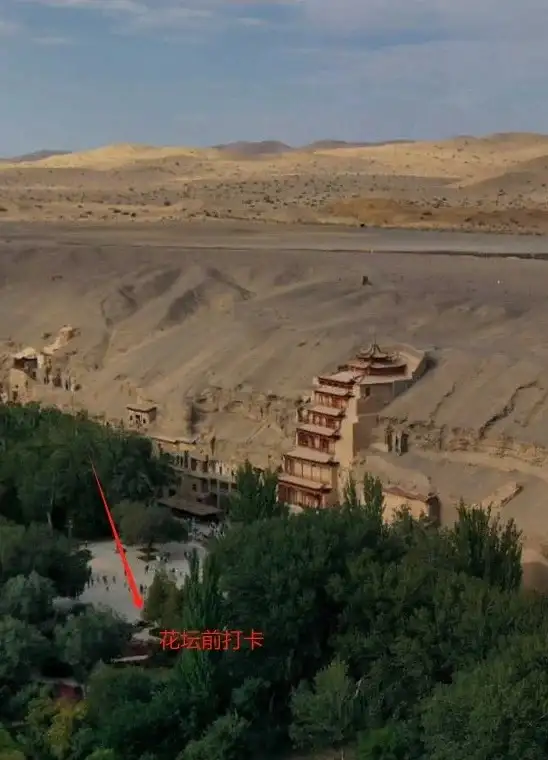
Interpretations of the Trip
Starting with the conditions for visiting the Mogao Caves, this article compares three types of Dunhuang itineraries—culture-focused, desert-focused, and family-oriented slow travel—and discusses how arrival, reservations, weather, and the return journey affect the actual experience over the two days.
Read the journal →
China Travel Guide
Mogao Caves are in Dunhuang; the Colourful Danxia scenic area is in Zhangye. They offer different experiences and are not neighbouring morning-and-afternoon attractions. With limited time, decide whether cave art or landforms matter more, then build the transport around that choice.
Read the journal →
Start with your interests, available time and the right combination of places.

Plan by region and interest, rather than choosing one season for the whole country.

Meet local life with curiosity, consideration and an open mind.
YOUR JOURNEY
Share the places and timing you have in mind, then discuss a suitable route with a guide or travel adviser. Services and availability need confirmation.
Contact a guide about this place
FROM INSPIRATION TO YOUR JOURNEY
A place you dream of. A journey shaped around you.
Plan my trip