
The Tan Yao caves as a group
The colossal figures are not isolated objects; the cave plan, proportions and viewing direction form an early artistic whole.
A deeper China. A journey of your own.
UNESCO identifies Yungang as a major achievement of fifth- and sixth-century Buddhist cave art in China.
Plan my trip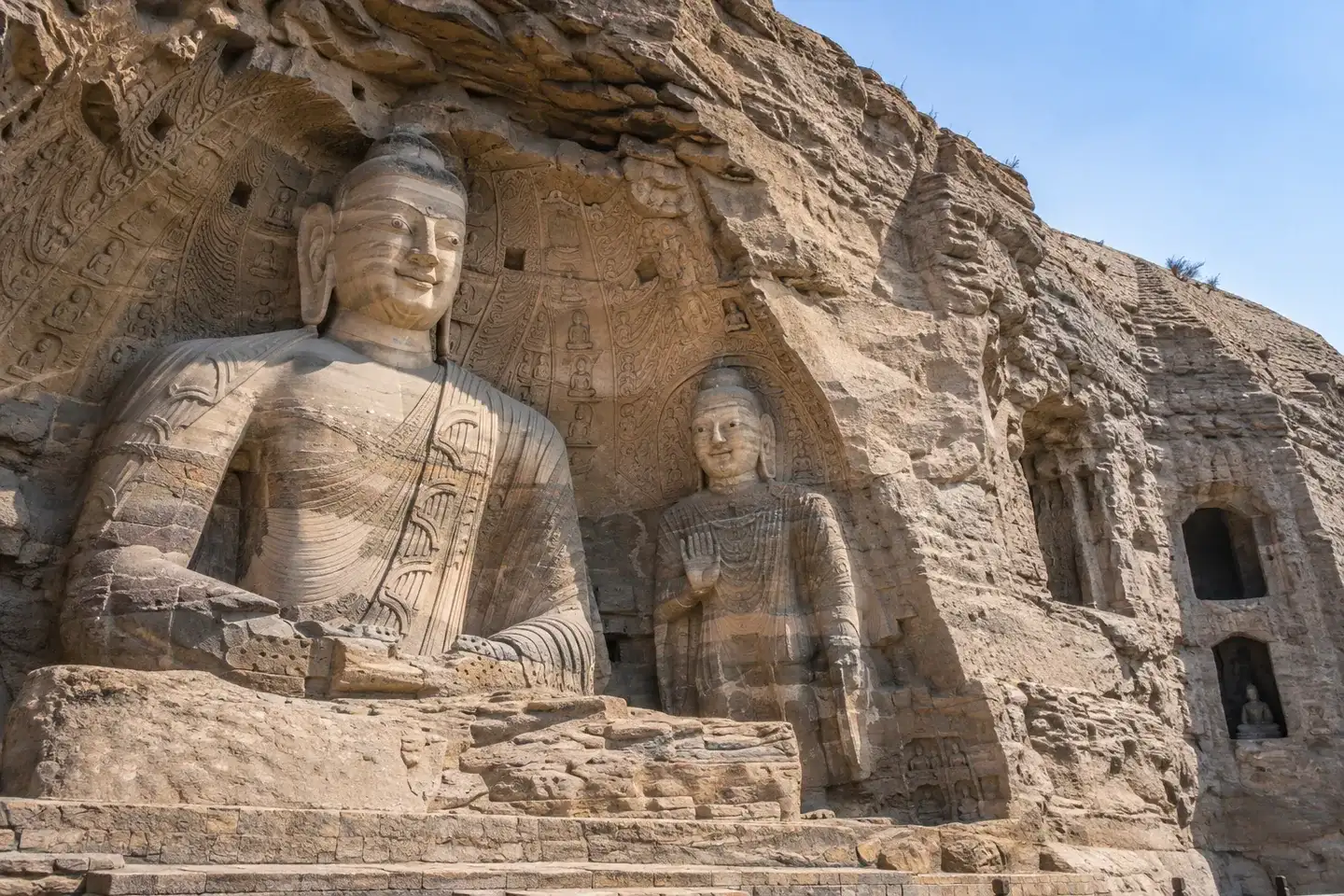
The Yungang Grottoes near Datong unfold across a cliff face, preserving important Buddhist sculpture of the Northern Wei period. UNESCO highlights the coherence of the Five Caves of Tan Yao and the achievement of fifth- and sixth-century cave art. The monumental Buddhas make a powerful first impression, but stopping at 'large statues' misses the changes in scale, drapery, architectural ornament and cave space across the site. Visit the open caves in groups at a measured pace.
Begin from a little distance to understand how the caves are arranged along the cliff. Then approach the Tan Yao group and see how the main figures organise space and attention. Later choose one or two smaller or more densely carved open caves to compare proportions, garment folds, niche shapes and wall compositions. Pausing at a few places reveals more than taking the same doorway photograph at every cave. On-site interpretation and museum displays can help explain Northern Wei politics, Buddhist belief and artistic exchange across regions; check which caves and exhibits are currently open.
Light, moisture and touch all matter to the conservation of carved stone. Follow barriers, photography and lighting rules, do not touch figures and avoid blocking narrow cave entrances. Travel from Datong's centre, security and walking make this more than a ten-minute roadside stop. If you also want the city's historic buildings, give them a separate block of time. Exposed connecting paths can be windy, hot, wet or very cold, so dress for the day's conditions.
The colossal figures are not isolated objects; the cave plan, proportions and viewing direction form an early artistic whole.
Smaller caves allow comparison of drapery, niches and wall treatment with the major figures.
Seeing the cave sequence from afar before entering helps place each sculpture back into its wider setting.
Use an open area to understand the arrangement and relative scale of caves.
From permitted viewpoints, notice the relation between a great image and its carved enclosure.
Choose a smaller open cave to compare folds, niches and borders with the monumental group.
Move from the whole cliff to selected caves, then reconsider how large and small carvings relate; this reveals more than a quick pass-through.
First understand the cave sequence from afar, then study the early monumental group within permitted areas.
Select one or two richly detailed open caves and use interpretation to connect sculpture with Northern Wei history.
Datong is a practical base for the grottoes and city heritage, but count the separate transfer and allow a substantial visit to each.
Conservation and maintenance can alter access; check the official visitor route.
Do not touch stone or use prohibited lighting and camera equipment; follow all barriers.
Travel, security and walking require a substantial visit rather than a brief stop on the way elsewhere.
Both are Buddhist cave sites, but Yungang is particularly associated with early Northern Wei monumental caves. Longmen spans a longer period along the Yi River. Read each in its own context.
It is a strong beginning, but smaller caves reveal changes in drapery, niches and composition. Choose a few for close attention.
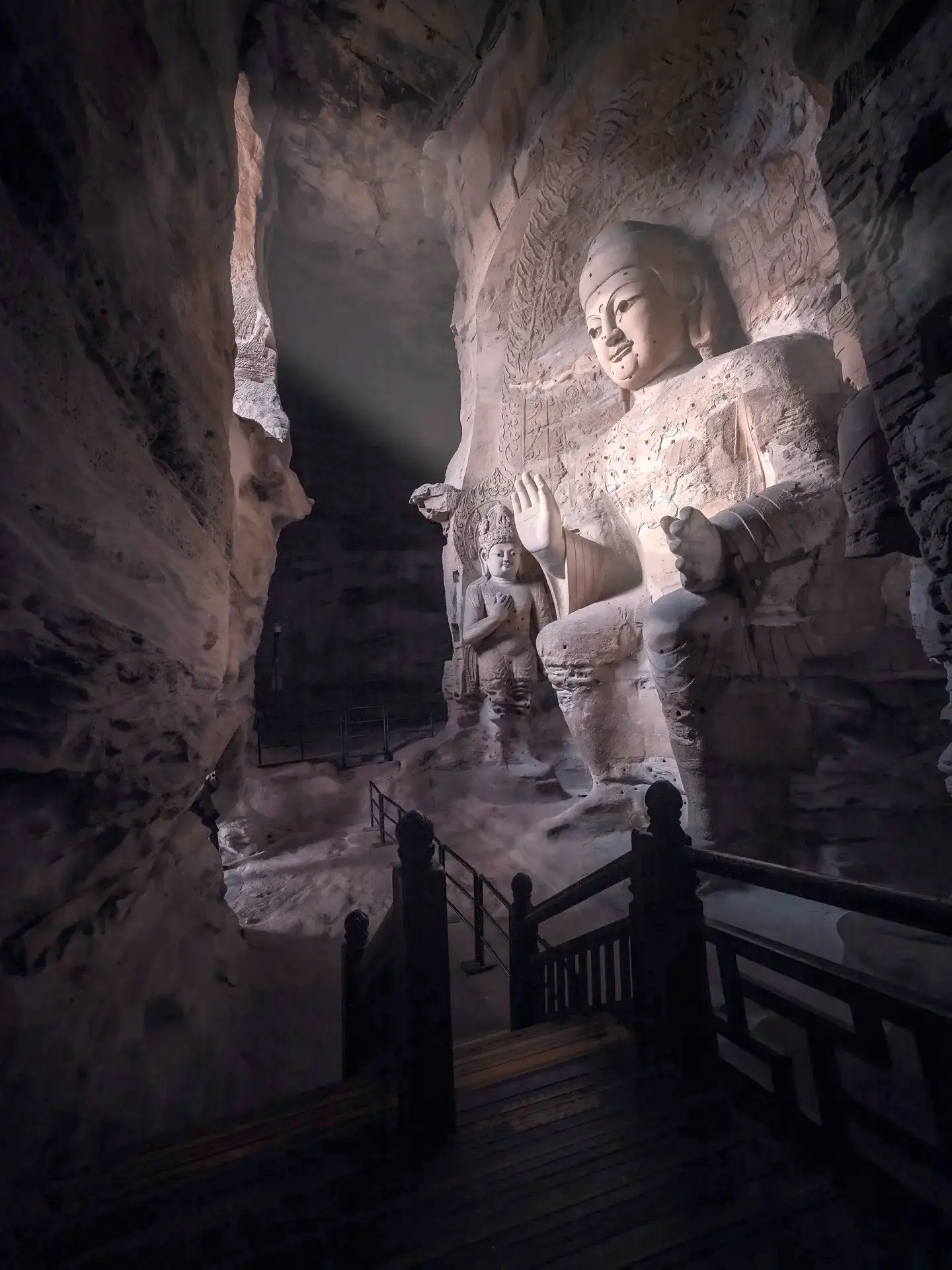
Travel Interpretation
The Yungang Grottoes and the wooden structures and sculptures of Huayan Temple belong to distinct artistic contexts. By comparing the materials, viewing distances, and historical contexts separately, we can design a themed cultural experience in Datong.
Read the journal →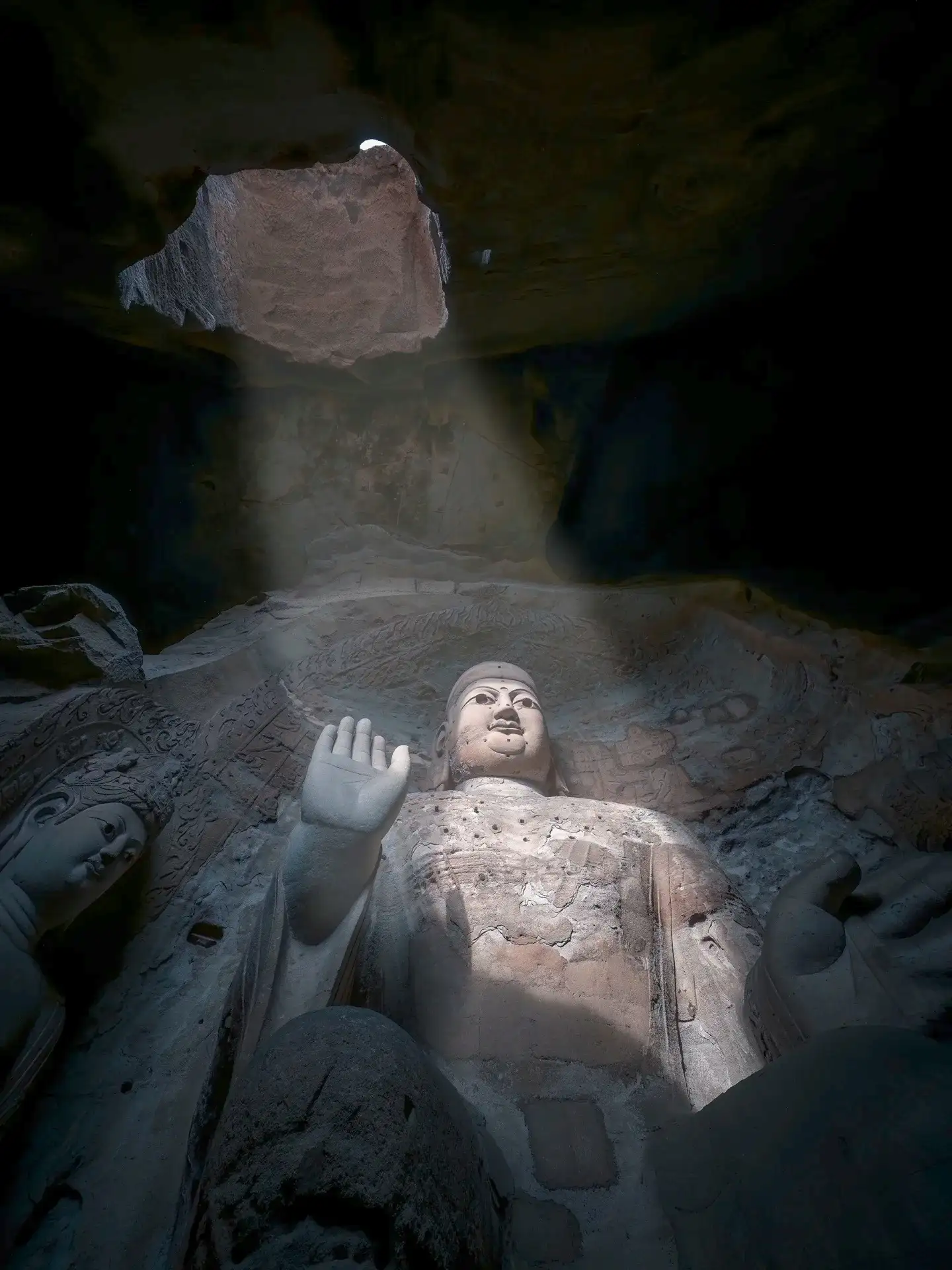
Travel Diary
Starting from the spaces and sculptural details of the Yungang Grottoes, observe how light helps us interpret the stone carvings. Place the grand art of the Northern Wei dynasty back within the context of specific rock walls, drapery folds, and viewing distances.
Read the journal →
China Travel Guide
Yungang and Huayan Temple make a useful pairing: one directs attention to cliffs and caves, the other to halls and sculpture. With one day, make the reserved Yungang visit the anchor and Huayan a possible second stop after returning to town. Do not add a distant mountain attraction.
Read the journal →
Start with your interests, available time and the right combination of places.

Plan by region and interest, rather than choosing one season for the whole country.

Meet local life with curiosity, consideration and an open mind.
YOUR JOURNEY
Share the places and timing you have in mind, then discuss a suitable route with a guide or travel adviser. Services and availability need confirmation.
Contact a guide about this place
FROM INSPIRATION TO YOUR JOURNEY
A place you dream of. A journey shaped around you.
Plan my trip