The fact that a city offers both cave temples and wooden-structured monasteries is a significant asset for cultural tourism in Datong. Yungang and Huayan Temple need not be positioned as two competing tourist attractions, nor should they be simplistically categorized as the same type of Buddhist architecture. A more intriguing comparison begins with the materials: on one hand, spaces carved directly from the mountainside; on the other, halls assembled from structural components. The distance between the statues and the viewer, the architecture’s treatment of light, and the visual cues available to the observer all change accordingly.
In the two Xiaohongshu posts, Su Xin’s Yungang entry focuses on the grottoes and photography, while Wang Zhenglin’s Huayan Temple entry pays attention to the roofs, halls, and statues within the temple. These two perspectives offer an intriguing travel theme: when viewing religious art, how do materials and the architectural environment alter one’s experience? Drawing on UNESCO’s description of the Yungang Grottoes and materials from the Datong Municipal Government regarding Huayan Temple, the following analysis situates these questions within the contexts of space, historical period, and viewing distance, establishing a clear cultural connection between the two sites.
How Space Is Formed Through Materials
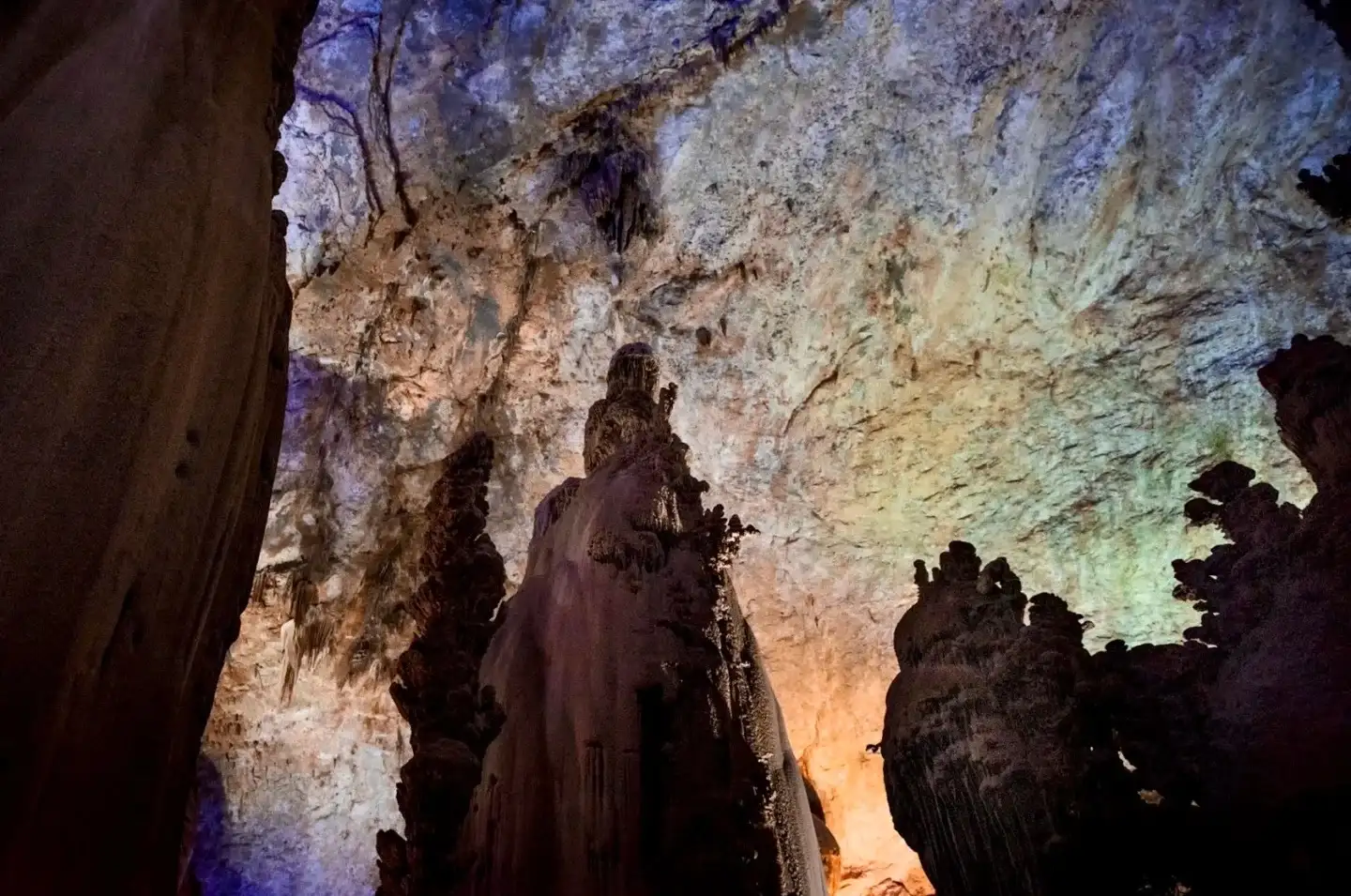
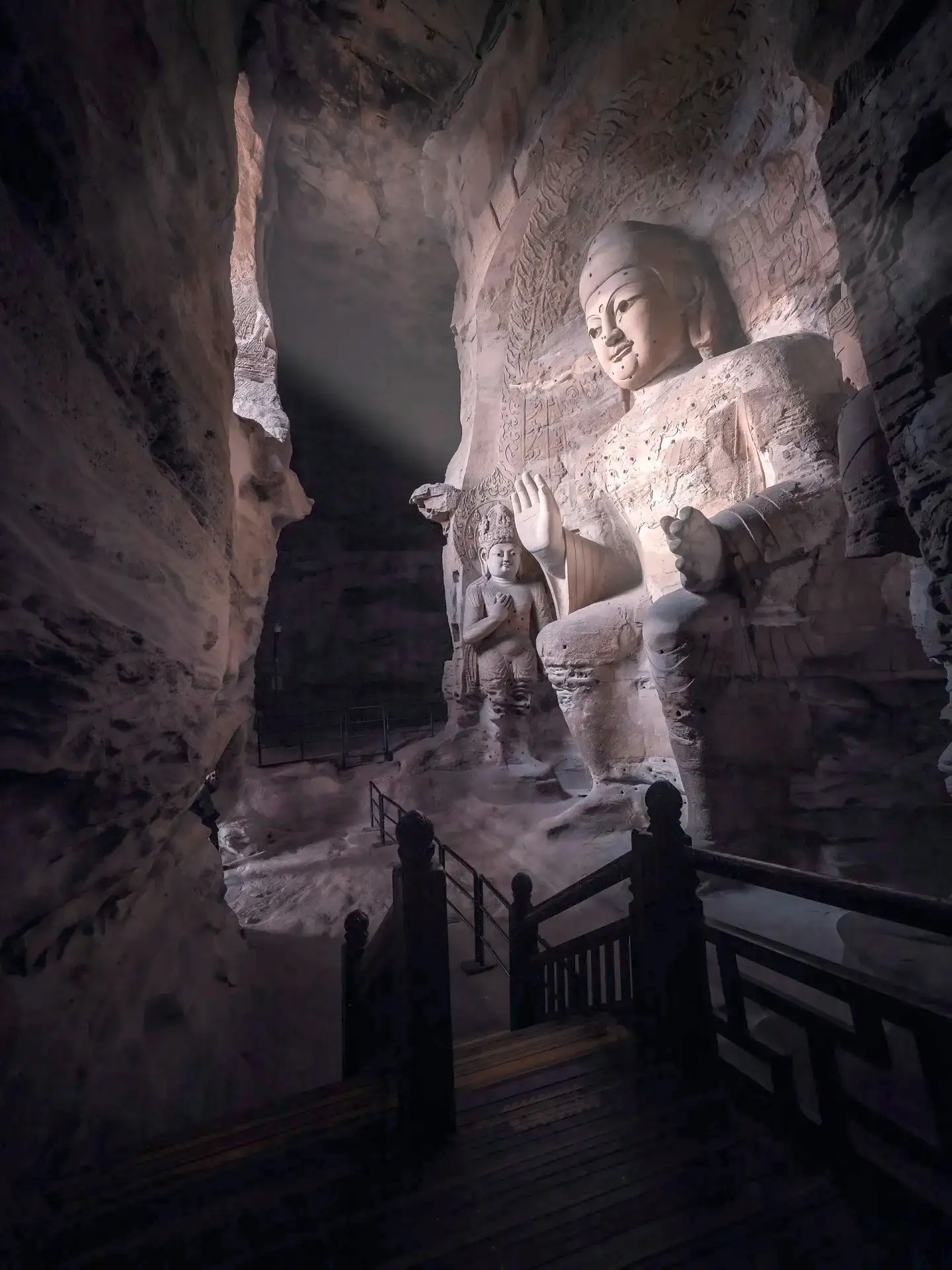
At Yungang, first observe the relationship between the mountain and the grottoes. The space of the grottoes is not simply a standalone building moved into the mountain; when viewing them, one can see how the carving defines the interior and exterior, and how the sculptures occupy the space. Standing at the designated viewing areas, first take in the overall composition, then examine the details; this will help you avoid fixating solely on the faces and overlooking their proportions relative to the cave. Here, you are not expected to touch the surfaces, nor is getting closer a measure of understanding; the variations in distance itself is part of the observation.
Upon entering Huayan Temple, the relationship between materials shifts. Beams, columns, roofs, and the spaces they enclose guide you to understand the architecture through its structural framework. The Datong Municipal Government’s materials list the Bhagavata Sutra Hall as a significant example of Liao Dynasty hall-style architecture and introduce its Liao Dynasty sculptures. With this background in mind, one can focus on two interrelated aspects: how the hall accommodates the sculptures, and how the sculptures are organized within the hall to guide the viewer’s gaze. These two aspects coexist; one should not treat the wooden structure merely as a protective shell simply because the sculptures more readily attract the eye.
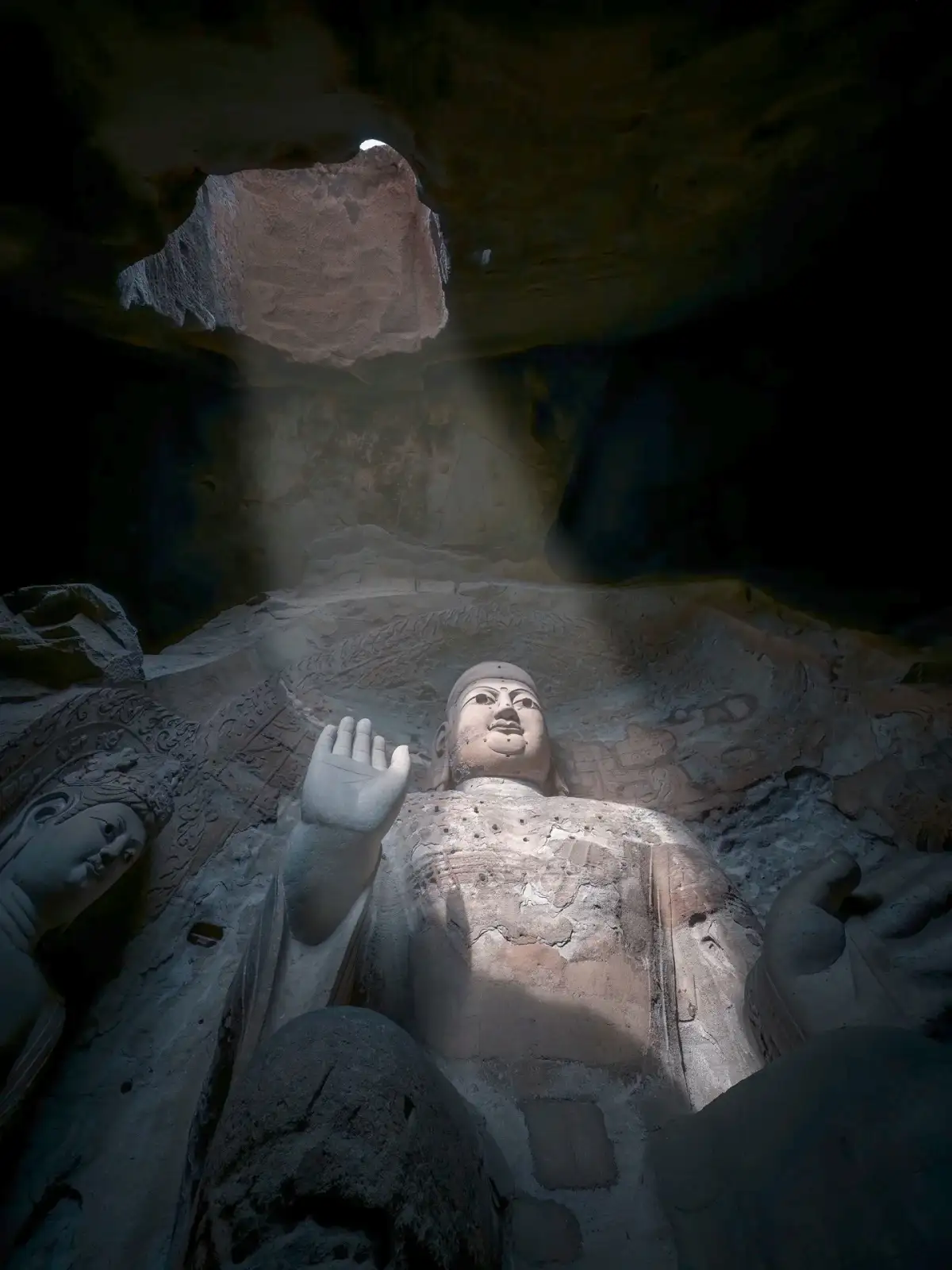
Look up at the Buddha statues beneath the openings in the ceilings of the Yungang caves. Photo:Su Xin · Original Post.
The contrast between stone and wood can also be explored with the children. Ask them to point out which parts appear to have been left in place within the mountain and which parts require different structural components to connect them; adults can then supplement this by naming the materials. As a result, the two sites become more than just two hard-to-remember names—they become concrete questions that can be answered. When children discover similar decorative elements, they can first note the shapes and then compare them with the descriptions of the era and purpose; even a small similarity can often lead them to the next space with new questions in mind.
The Cultural Timeline from the Northern Wei Dynasty to the Liao and Jin Dynasties
UNESCO situates the Yungang Grottoes within the context of the development of Northern Wei cave art, elucidating the relationship between influences from South and Central Asia and local artistic expression. Visitors need not identify all cultural elements in a short period of time; it is already important to understand that art undergoes changes during the process of transmission. A single image may draw upon foreign expressions while being reorganized by local materials, society, and craft traditions. Such an understanding will make you cautious about the notion of a “pure” style and more willing to linger a little longer to appreciate the differences between the various caves.
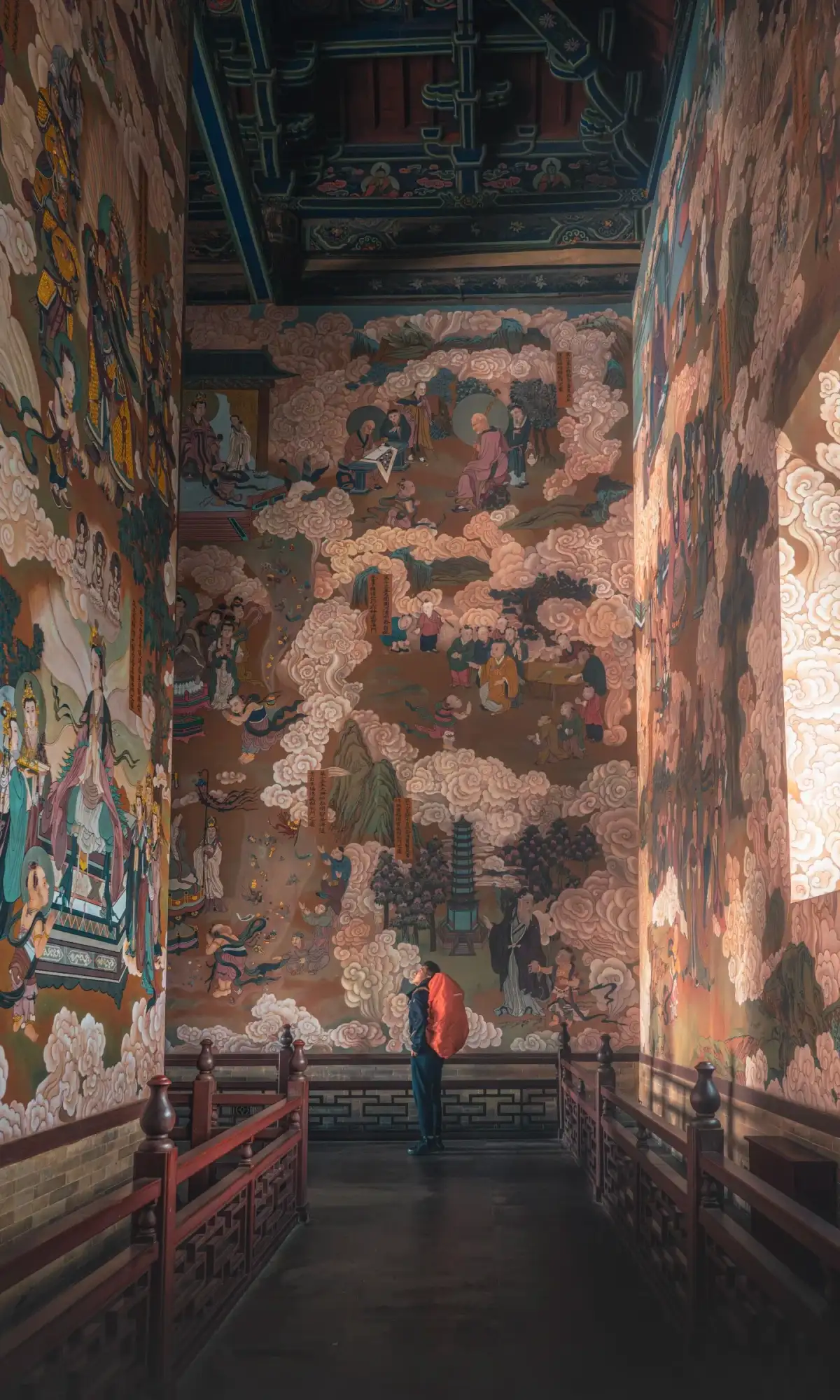
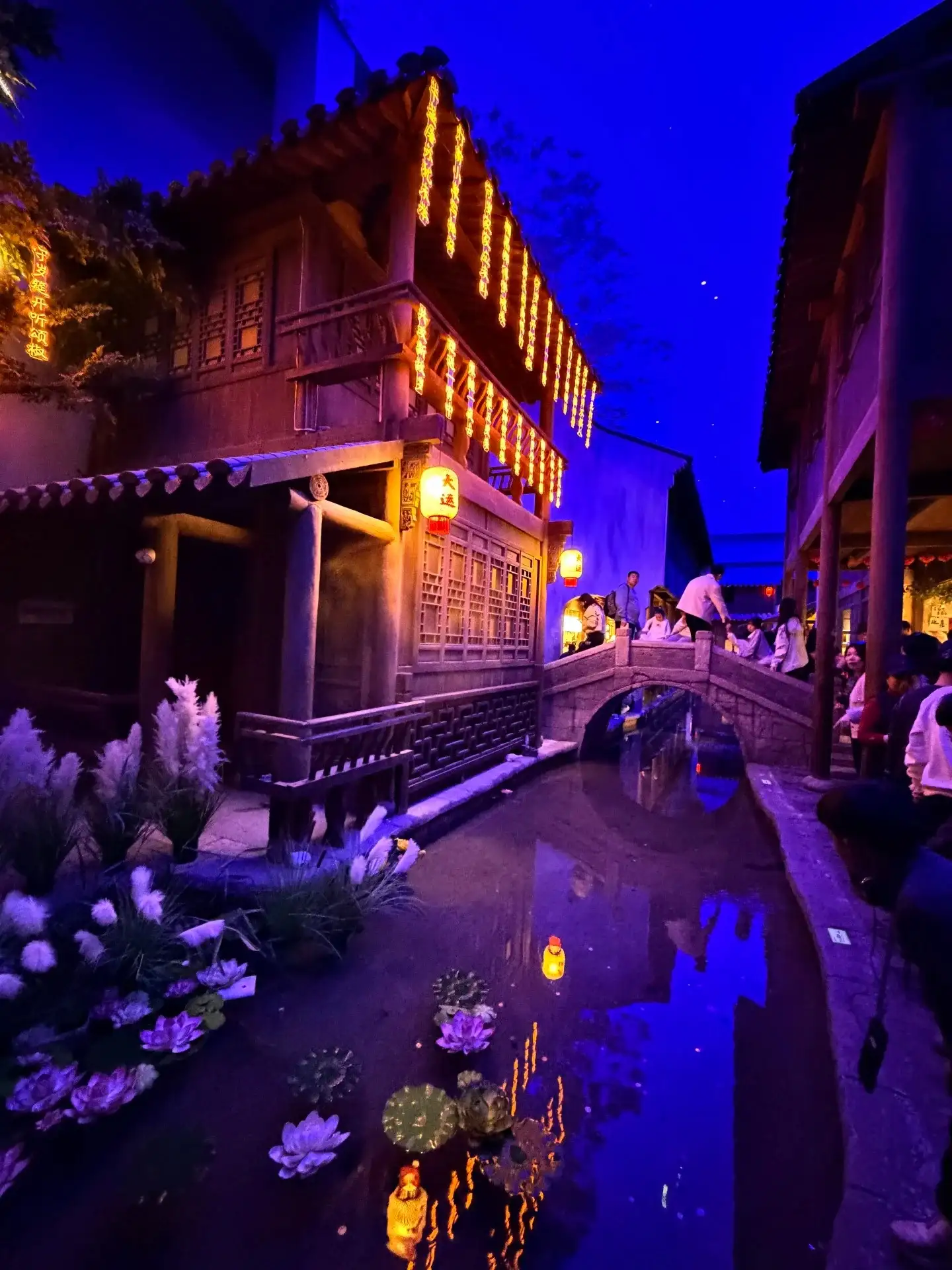
Mural paintings on the interior walls of Huayan Temple, the painted ceiling, and the visitor railings. Photo:Wang Zhenglin · Original Post.
The Liao and Jin dynasty context of Huayan Temple places the issue within a different historical period. When viewing similar religious imagery, one can first understand the respective eras and environments, then compare how the folds of clothing, postures, and arrangements organize the viewer’s gaze. The figures in the grottoes and the statues in wooden structures respond to different spatial conditions; the same bodily gesture may evoke different sensations when viewed from a distance in a larger grotto versus up close inside a hall. By considering both era and space together, visual comparisons gain depth, and it becomes easier to articulate the uniqueness of each site.
Your travel notes for the day can begin with a specific object: first note the cave or hall where it is located, then record your viewing distance and personal impressions. If a particular statue appears light and graceful, it may be due to its posture and the drapery of its robes; if a space feels solemn, it may be related to its proportions, arrangement, and lighting. Upon returning, supplement your notes with reliable descriptions, including names and dates, so that your personal observations can be connected to the historical context. Recording in this way makes your sharing more substantive and helps your travel companions understand why you choose to linger at a particular spot.
As the viewing distance changes, so does the significance of the details.
In larger spaces, the overall proportions typically catch the eye first. Visitors are easily drawn to prominent objects and tend to quickly overlook the organizational relationships around them. Try this: after examining a central statue, step back to your natural vantage point to observe how the surrounding elements unfold around it, then look for objects of varying scales within the cave or hall. This back-and-forth is simply a sequence of observation—it requires no constant shifting of position and avoids the need to repeatedly navigate crowded passageways.
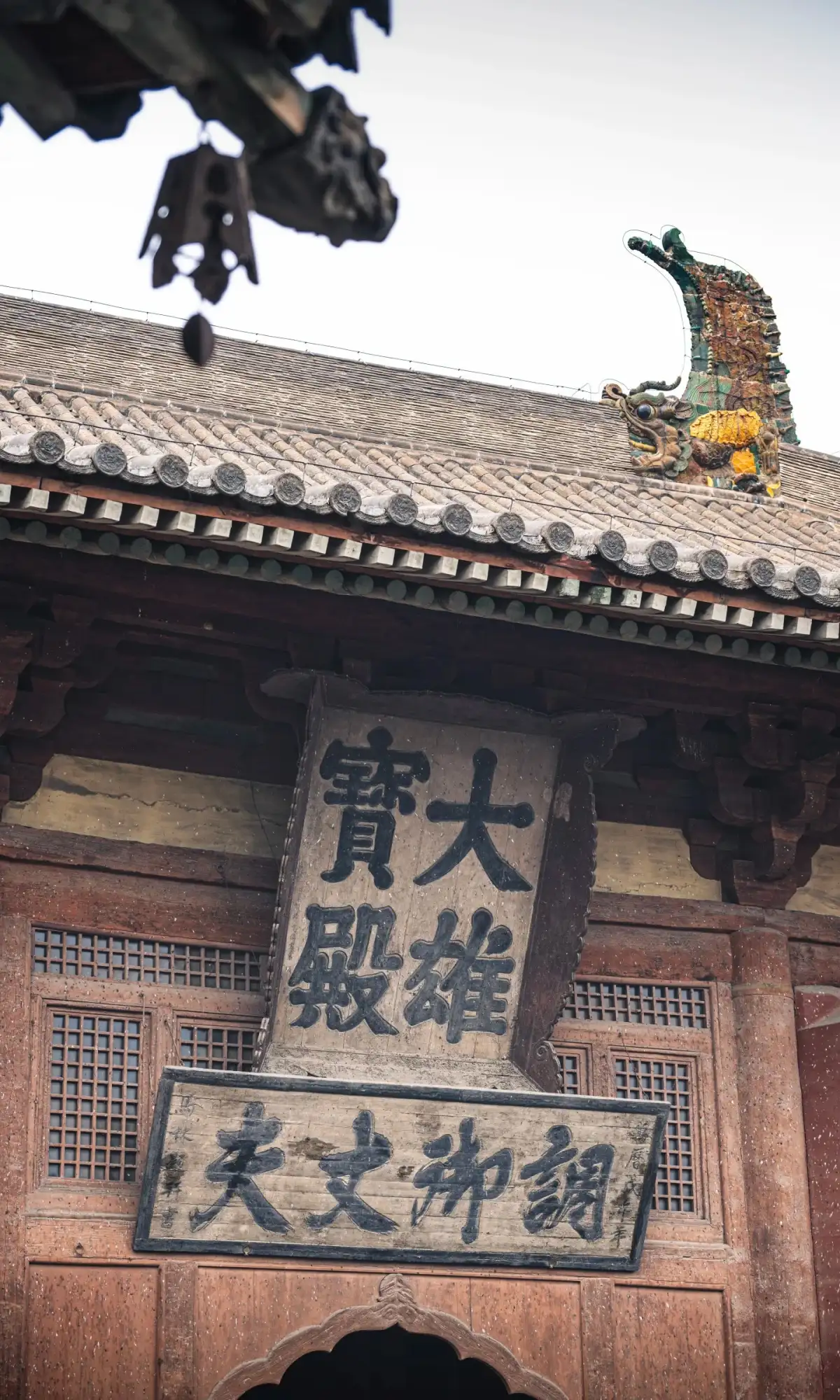
Plaques and ridge decorations on the Great Buddha Hall at Huayan Temple. Photo:Wang Zhenglin · Original Post.
In wooden temples, the roofs and statues each have their own optimal viewing distances. The courtyards are ideal for observing architectural outlines, while open spaces invite closer attention to the relationships between individual elements. Architecture enthusiasts can begin by tracing the columns, beams, and roof to appreciate the structure’s support system and layering, while those interested in the figures can start by examining their postures and arrangements. When these two interests converge within the same hall, the discussion will gradually expand from individual points of focus to the shared space. Having each person describe one detail they’ve noticed is a more effective way to maintain interest than listening to a continuous, lengthy lecture.
For photographers, comparing the two sites can result in a series of narrative-driven works. Begin with wide shots to establish the spatial context, then use closer shots to highlight the materials, and finally select details that illustrate the theme. Stone surfaces, wooden structures, and sculptures each possess distinct visual relationships; a well-organized series of photos clearly identifying the locations can weave them together into a visual journey. Figures in the distance can also convey the scale of the architecture and sculptures, preserving a sense of everyday life as visitors explore the site. When shooting on-site, follow the guidelines for open areas to allow documentation to blend naturally with the normal viewing experience.
Visit both sites, or choose just one
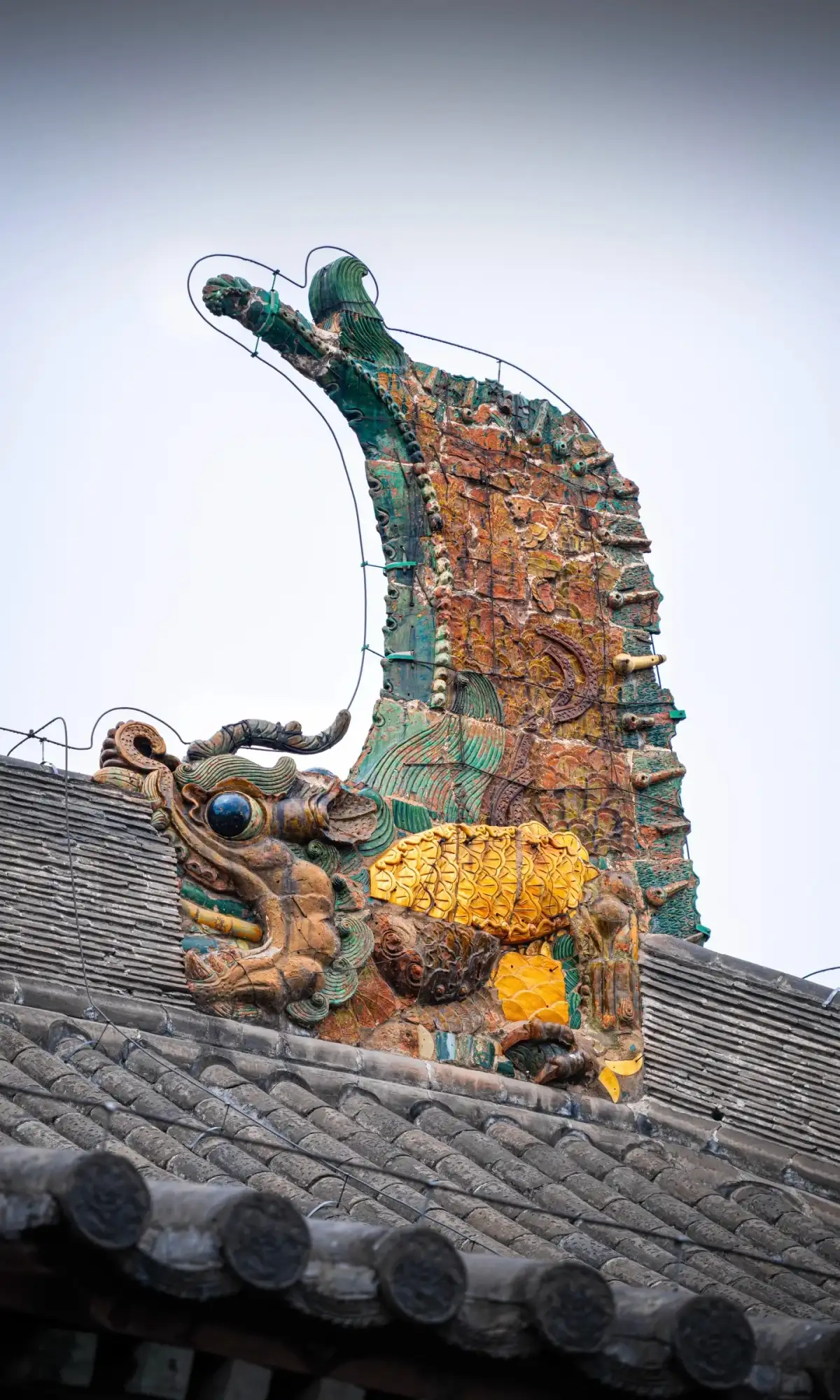
the colorful chiwen ornaments and gray tiles on the roof ridges of Huayan Temple. Photo:Wang Zhenglin · Original Post.
If your vacation time is limited, you can start by selecting one site as your primary focus based on your interests. If you’re more interested in the cave sculptures and the transregional dissemination of art, Yungang deserves a more comprehensive, dedicated visit; if you prefer to explore the relationship between wooden structures, courtyards, and the sculptures inside the halls, Huayan Temple offers a different, focused viewing experience. After selecting one site, you can continue making comparisons using official materials from the other. When discussing your plans with a tour guide, explain your theme, preferred pace, and the specific elements you wish to focus on; this will make it easier to tailor the actual itinerary to your interests.
When visiting both sites, allow time in between to adjust your perspective. If you step directly from a large-scale cave temple into a wooden courtyard with the same mindset, you may continue to seek only grand-scale objects. During a break, you can reflect on a question you’ve already clarified, then move on to the next stop with a new question in mind—such as how materials transform space, or how architecture organizes sculptural figures. Resting, therefore, is not merely about recharging your energy; it also allows for genuine cultural comparison to take place, rather than waiting until you return home to wonder what exactly distinguished the two places.
This SiteYungang Destination Overviewwhich can guide the planning of where to linger. When consulting with a guide, explain whether you wish to compare stone and wood, prioritize architecture or sculpture, or prefer a slower pace of exploration—this information is far more helpful than simply asking to “check off” all the sights. Datong’s cultural significance isn’t derived from simply superimposing two striking photographs; only when materials, historical periods, and viewing approaches are considered separately can these two sites illuminate one another within the same journey.
Source and Editorial Notes
This article is an original travel interpretation compiled by the Dongxing Travel editorial department based on the listed materials; it is not a firsthand account by the author. The full text of the original post has not been reproduced; accompanying images are used within the scope of authorization and are credited to the author and the source of the original post. They do not serve as proof of actual travel or services provided to Dongxing Travel clients.
Su Xin · 📍Yungang Grottoes | The Caves of the Northern Wei Dynasty, the Light of the Northern Wei Dynasty · Travel Notes; Verified/Organized on: October 3, 2026.
Wang Zhenglin · Datong Huayan Temple | Echoes of the Liao and Jin Dynasties · Travel Notes; Verified/Organized on: October 3, 2026.
UNESCO World Heritage Centre · World Heritage Description of the Yungang Grottoes · Official materials; Verified/compiled on: October 3, 2026.
Datong Municipal People’s Government · Cultural Explanation of Huayan Temple · Official materials; Verified/compiled on: October 3, 2026.