
Ritual landscape in place
Long traditions of worship and pilgrimage are expressed through buildings and the direction of the climb.
A deeper China. A journey of your own.
UNESCO documents Taishan's enduring role in mountain worship, literature and art.
Plan my trip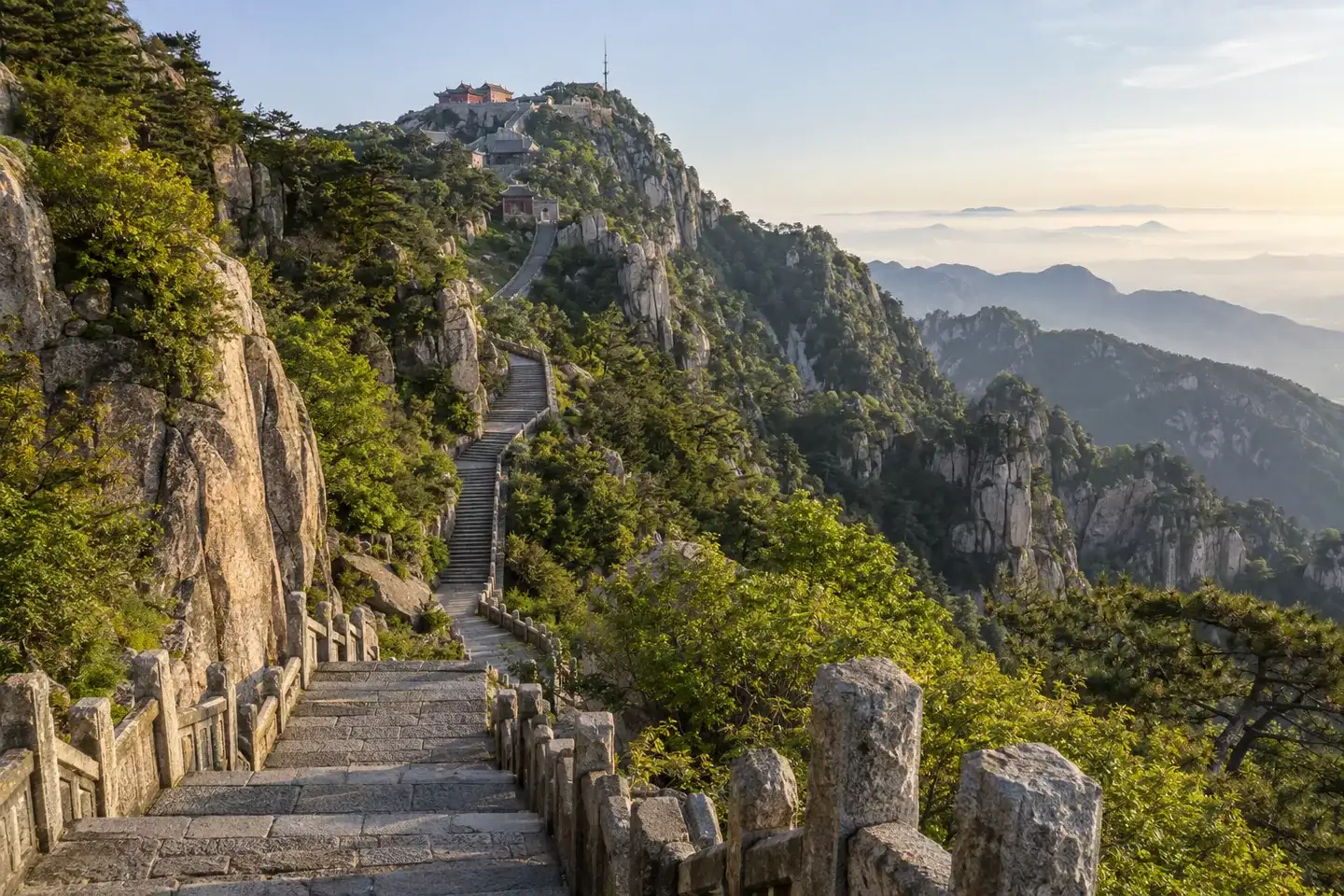
Mount Tai's ascent is also a corridor of writing and ritual history. UNESCO records the mountain's long association with worship and imperial rites, and its influence on literature and art. From Tai'an below, gates, steps, buildings and inscriptions preserve the reasons people of different periods made the climb. Treating the summit as the only measure of success misses the path itself.
If your fitness permits, begin with Dai Temple or another accessible foothill context, then take a section of the traditional ascent from Hongmen. Notice how inscriptions, gateways and gradient change as you climb. The effort increases beyond Zhongtianmen, and the steep sequence known as the Eighteen Bends requires honest assessment. Travellers less used to mountains can combine current scenic transport with a shorter walk focused on heritage stops. If companions have different abilities, everyone needs a safe return plan rather than being forced into one pace by a sunrise goal.
Summit sunrise and clouds depend heavily on weather. Climbing at night adds cold, fatigue and lighting risks; first-time visitors who want to see the carved words and architecture may gain more from daylight. Confirm the open entrance, transport, forecast and return times before setting out. Wind and temperature above can differ markedly from Tai'an. Do not touch or climb on inscriptions, and remain on permitted routes.
Long traditions of worship and pilgrimage are expressed through buildings and the direction of the climb.
Steles, cliff carvings and gates record ways of viewing the mountain across eras; stop to look rather than rushing past.
A full ascent, a shorter walk or permitted transport can all work when matched to fitness and cultural interests.
If open and time permits, see the foothill ritual setting before entering the mountain route.
Walk part of the Hongmen approach, comparing stone steps, inscriptions and views without treating speed as the point.
At a stage of the climb, reassess weather and energy; turn back or continue by an open option.
Treat the ascent as both landscape and cultural route. Decide how many steps you want to take before selecting stops along the way.
Understand the mountain's relationship to the town, confirm today's route and begin from a suitable point.
Stop at carvings and buildings, then decide at a practical stage whether conditions and return time support further climbing.
Tai'an is a practical foothill base. A mountain stay depends on your route and current access; count intercity travel separately if pairing with Jinan or Qufu.
Check the entrance, cableway or shuttle, final service and onward return to Tai'an.
Continuous steep steps are demanding. Infrequent hikers should decide on alternatives before starting.
Cloud, wind and cold may remove the distant view. A night climb needs additional lighting and safety planning.
Yes. Its inscriptions, architecture and slopes form a meaningful cultural visit at many levels of walking effort.
Sunrise is uncertain and darkness hides historical detail while increasing risks. Daylight may suit a first visit better.
interpretation of the journey
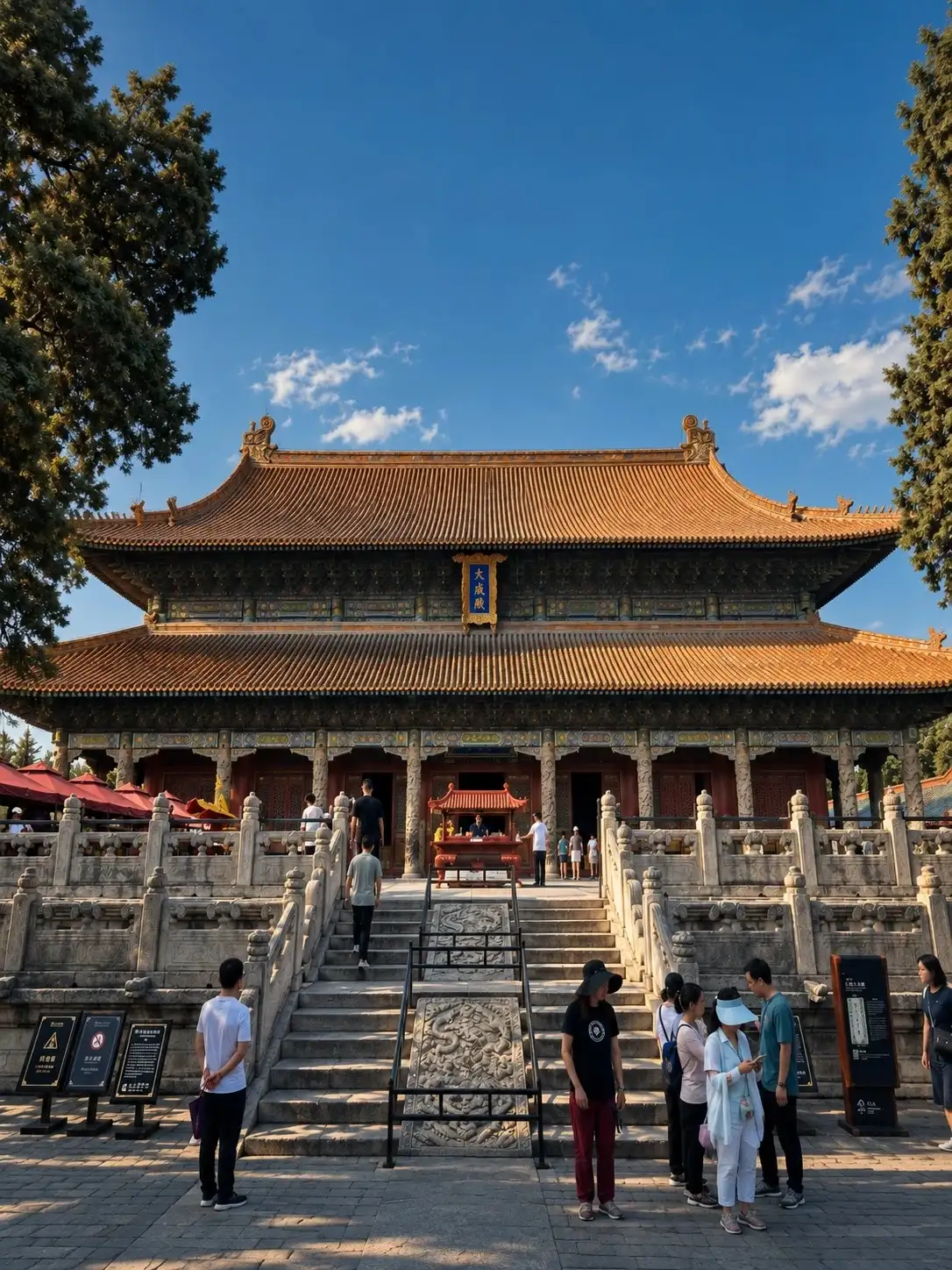
The Confucius Temple, the Confucius Mansion, and the Confucius Forest each address different questions. Approaching Qufu from the perspectives of space, historical records, and commemoration provides a clear thematic focus for visiting the “Three Confucian Sites,” rather than merely passing through a succession of similar courtyards.
Read the journal →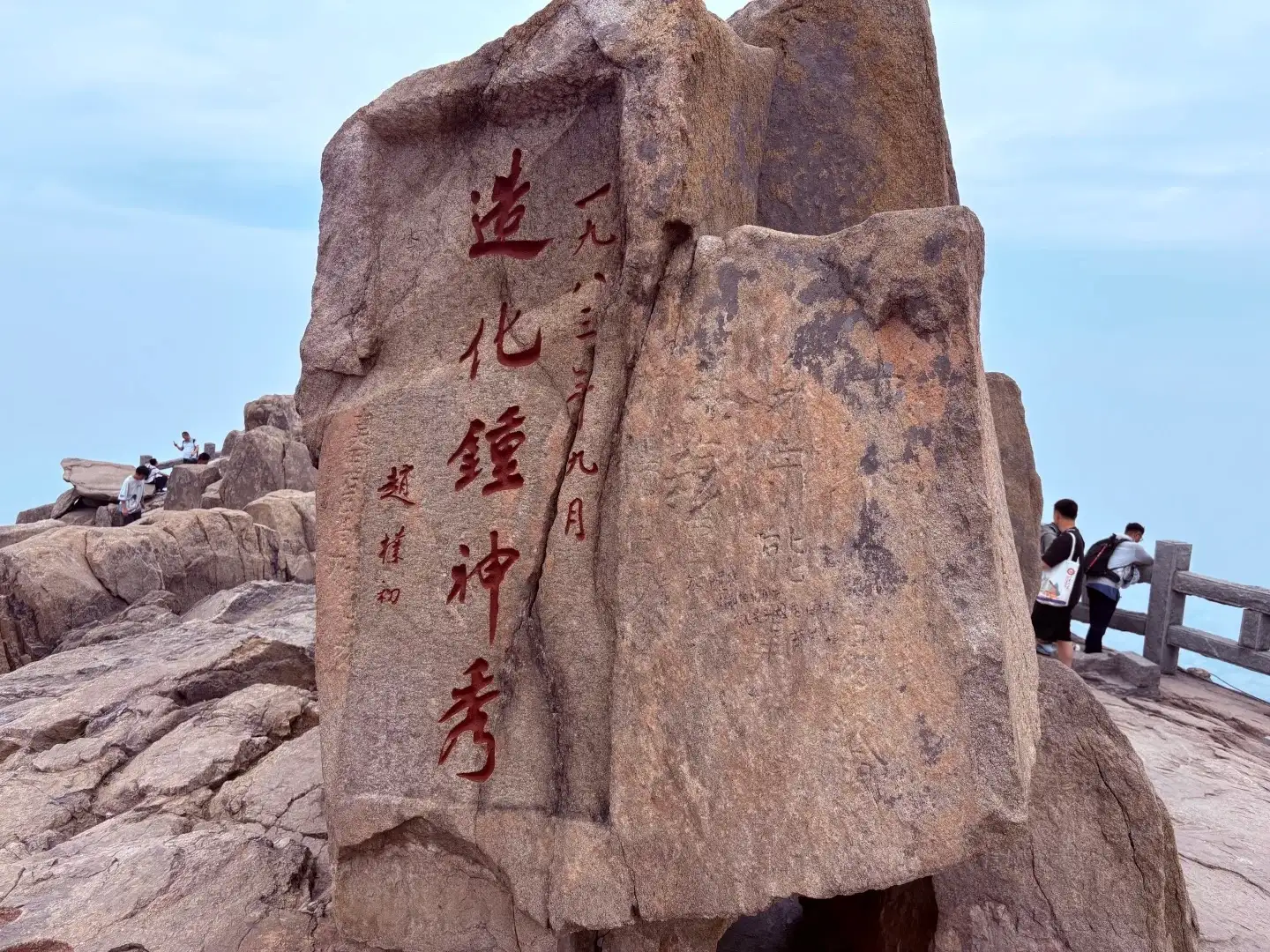
Interpretation Through Travel
By considering the inscription’s location, size, viewing distance, and relationship to the mountain path, one can understand how the Mount Tai stone inscriptions become part of the landscape—and provide a point of entry for fellow travelers unfamiliar with calligraphy.
Read the journal →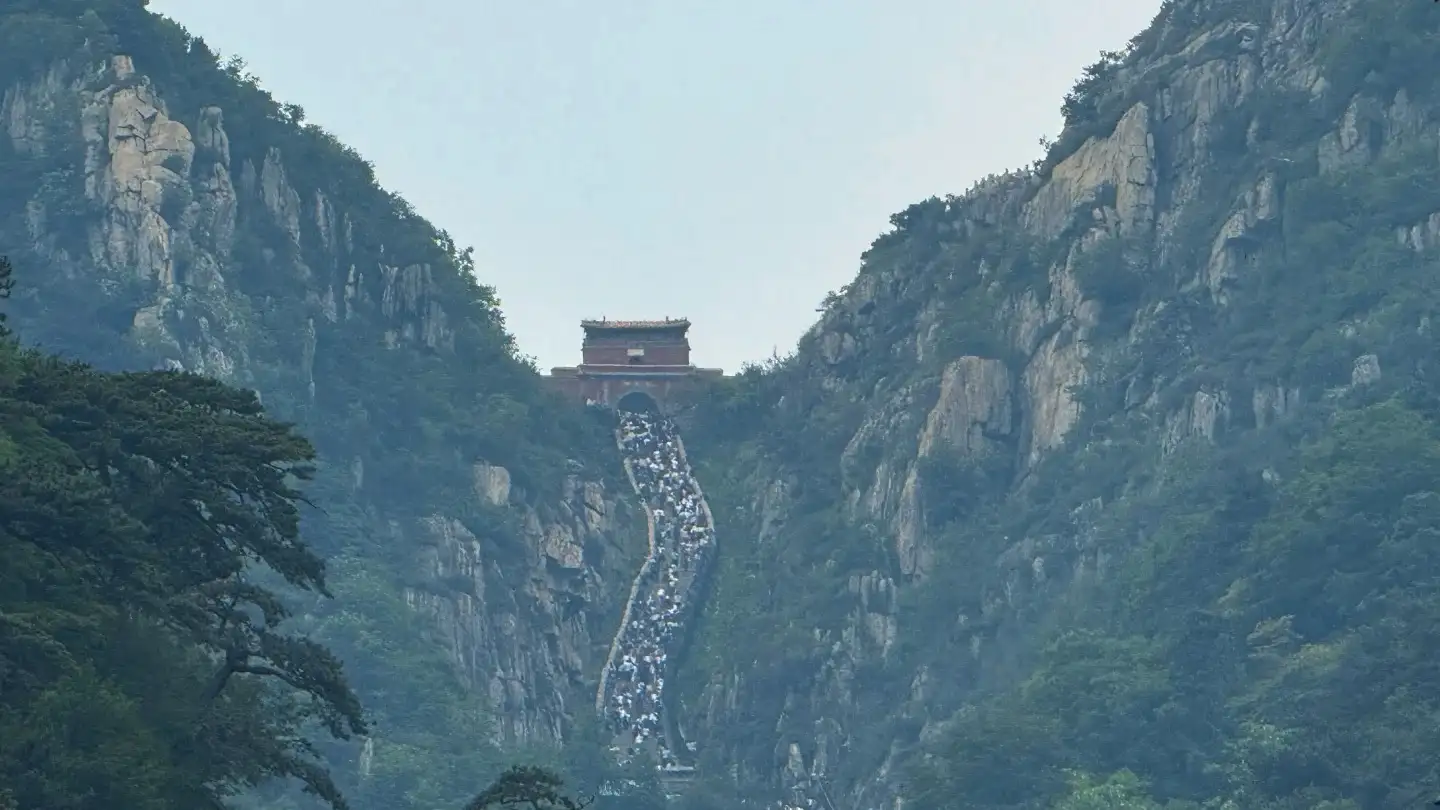
interpretation of the journey
Based on what you wish to see, the pace of your companions, and your plans after descending, this article compares three different travel objectives—the Hongmen ascent, the Tianwai Village connection, and the foothills cultural tour—to help you find the Mount Tai day trip that’s right for you.
Read the journal →
Start with your interests, available time and the right combination of places.

Plan by region and interest, rather than choosing one season for the whole country.

Meet local life with curiosity, consideration and an open mind.
YOUR JOURNEY
Share the places and timing you have in mind, then discuss a suitable route with a guide or travel adviser. Services and availability need confirmation.
Contact a guide about this place
FROM INSPIRATION TO YOUR JOURNEY
A place you dream of. A journey shaped around you.
Plan my trip