
Kulangsu’s architectural mixture
Notice how Minnan, early international and local hybrid forms sit side by side; a public-lane walk is more revealing than one facade.
A deeper China. A journey of your own.
A relaxed coastal city and Minnan neighbourhoods.
Plan my trip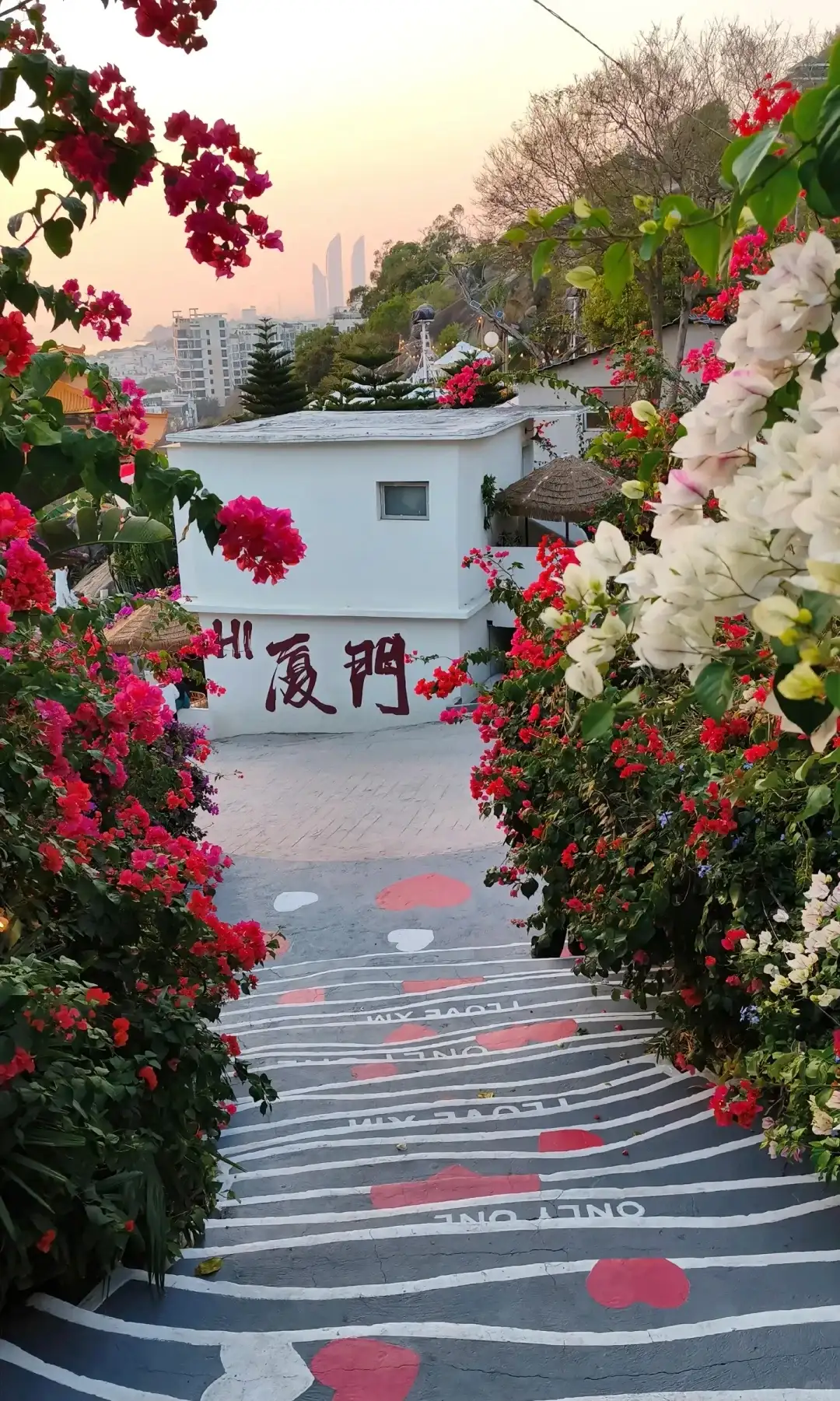
Xiamen rewards a slower look at how a coastal city, Kulangsu Island and southern Fujian architecture relate to one another. UNESCO recognizes Kulangsu as a historic international settlement where local Minnan traditions, imported forms and new regional interpretations coexist. Walk its public lanes to compare houses, gardens and slopes rather than collecting only famous facades. Ferry routes, piers and visitor-entry arrangements can change, so confirm the current official instructions and leave time to return without rushing. On Xiamen Island itself, old streets, markets and accessible coastal paths offer a more everyday view of the port city. Jimei brings a different architectural and educational setting and is best chosen as a deliberate additional area, not another stop squeezed between ferry times. A journey to the Nanjing tulou clusters is a separate inland excursion across jurisdictions. These communal buildings form part of the UNESCO-listed Fujian Tulou property, but some settlements and courtyards remain inhabited. Respect open routes and household boundaries rather than assuming every interior is a museum. Marine weather, heavy summer rain and typhoon alerts can affect ferries and outdoor plans. Recheck weather, services and site notices close to departure. Xiamen’s appeal lies in the meeting of buildings, sea and daily life, not in how rapidly a visitor can traverse a map.
Notice how Minnan, early international and local hybrid forms sit side by side; a public-lane walk is more revealing than one facade.
Pair an accessible waterfront walk with a lived-in urban district to see both the visitor landscape and everyday Xiamen.
Nanjing tulou require a separate journey; explore building organization and settlement life instead of treating them as a city half-day stop.
Choose a coherent Kulangsu walk that reveals the relationship among slopes, gardens and buildings without continual backtracking.

At a reputable venue, ask about seafood, peanuts and other ingredients when allergies or dietary restrictions matter.

With enough time, explore Jimei’s public architecture and educational setting as its own outing rather than squeezing it between Kulangsu ferries.
Explore an old-street area, market or public waterfront on Xiamen Island according to weather.
Give Kulangsu an unrushed walking period; if tulou are the priority, set aside a separate full travel-and-visit day.
Choose the location and style of stay around the final route, your companions and availability.
Check the current visitor route, departure pier and time slots through official information, leaving flexibility for the return.
Strong wind, rain and typhoon alerts can alter sailings and walks. Keep an indoor alternative.
Ask before photographing people or entering courtyards on Kulangsu or in tulou villages.
They involve very different travel directions. Choose one for a brief stay or give the inland tulou a separate day.
Visitor piers, time slots and ticket rules can change. Verify outbound and return arrangements through official channels.

Travel Insights
Compile a travel address card using the Chinese name, address, map pin, and actual entrance. Refer to Shanghai’s multilingual map services and the Gulangyu navigation notes to understand why different information is recorded for hotels, stations, and large-scale scenic areas.
Read the journal →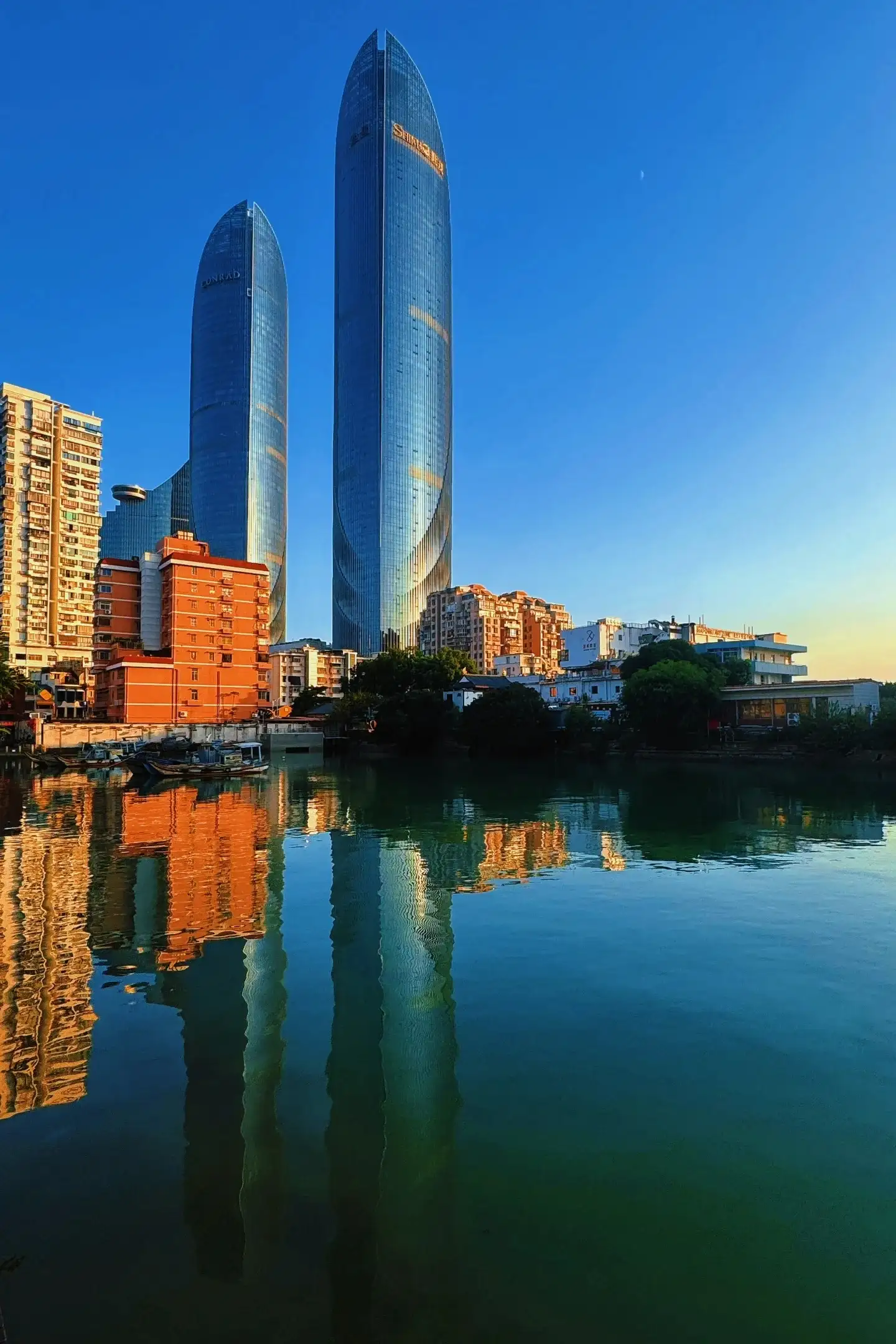
Travel Diary
Walk from Daxue Road to the Shapowei Shelter Harbor to explore the story of how the port has evolved into an urban cultural space. The low-rise buildings by the water, the waterfront, and the Art West District make for a perfect half-day stroll—allowing you to spend a little time with the tides, the shops, and the daily lives of the residents.
Read the journal →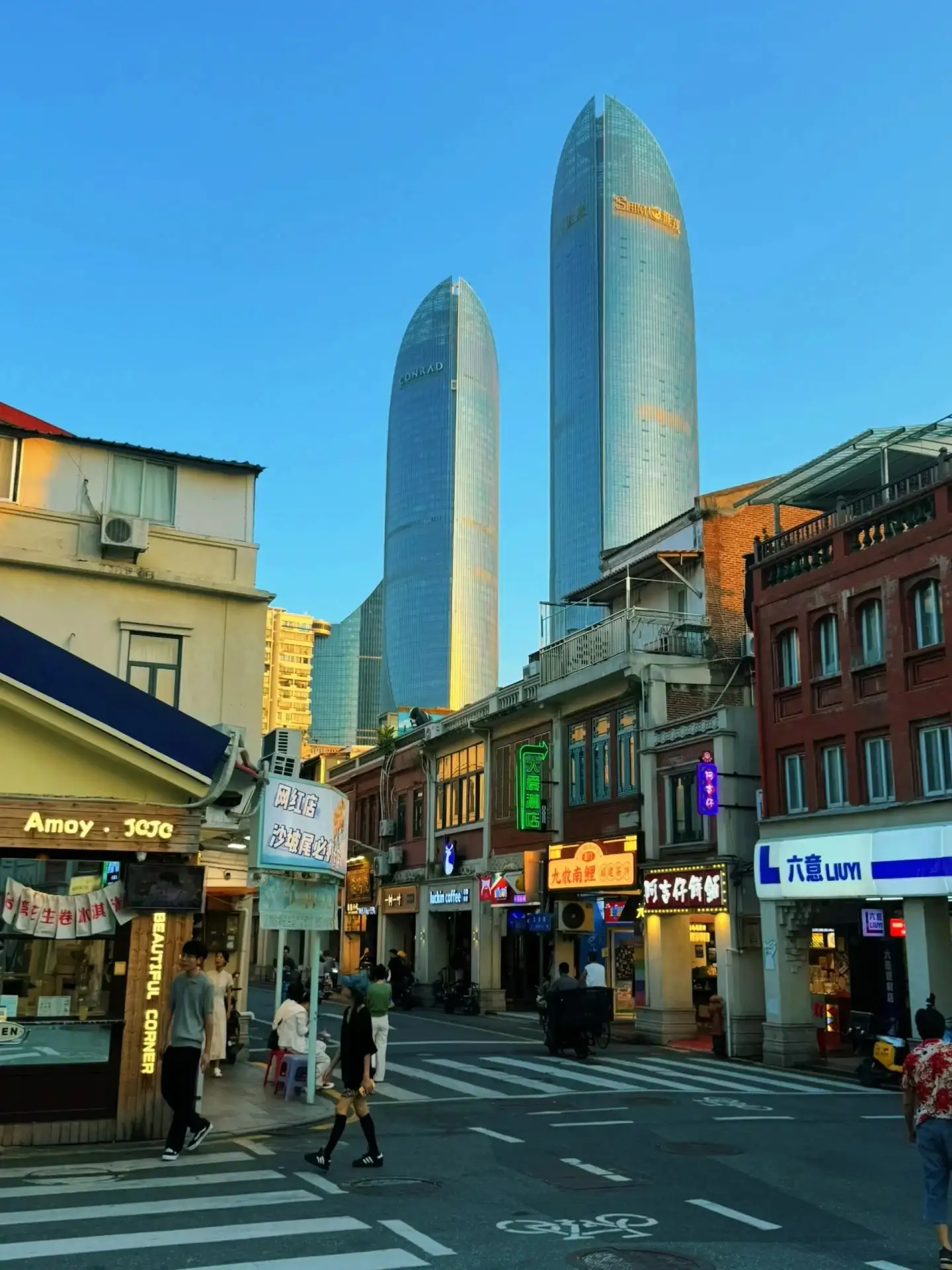
Travel Interpretation
Follow the threads of the seafood processing plant, the Art West District, and marine culture exhibitions to understand the industrial transformation of Xiamen’s Shapowei. By combining neighborhood renewal, memories of the fishing port, and the retail experience, you can create a walking tour theme that is more concrete than a mere list of photo spots.
Read the journal →
Start with your interests, available time and the right combination of places.

Plan by region and interest, rather than choosing one season for the whole country.

Meet local life with curiosity, consideration and an open mind.

FROM INSPIRATION TO YOUR JOURNEY
A place you dream of. A journey shaped around you.
Plan my trip