
Qin archaeology
Notice the formation and differences among figures as well as the conservation work that makes the site more than a large photo opportunity.
A deeper China. A journey of your own.
Ancient stories, still part of the city today.
Plan my trip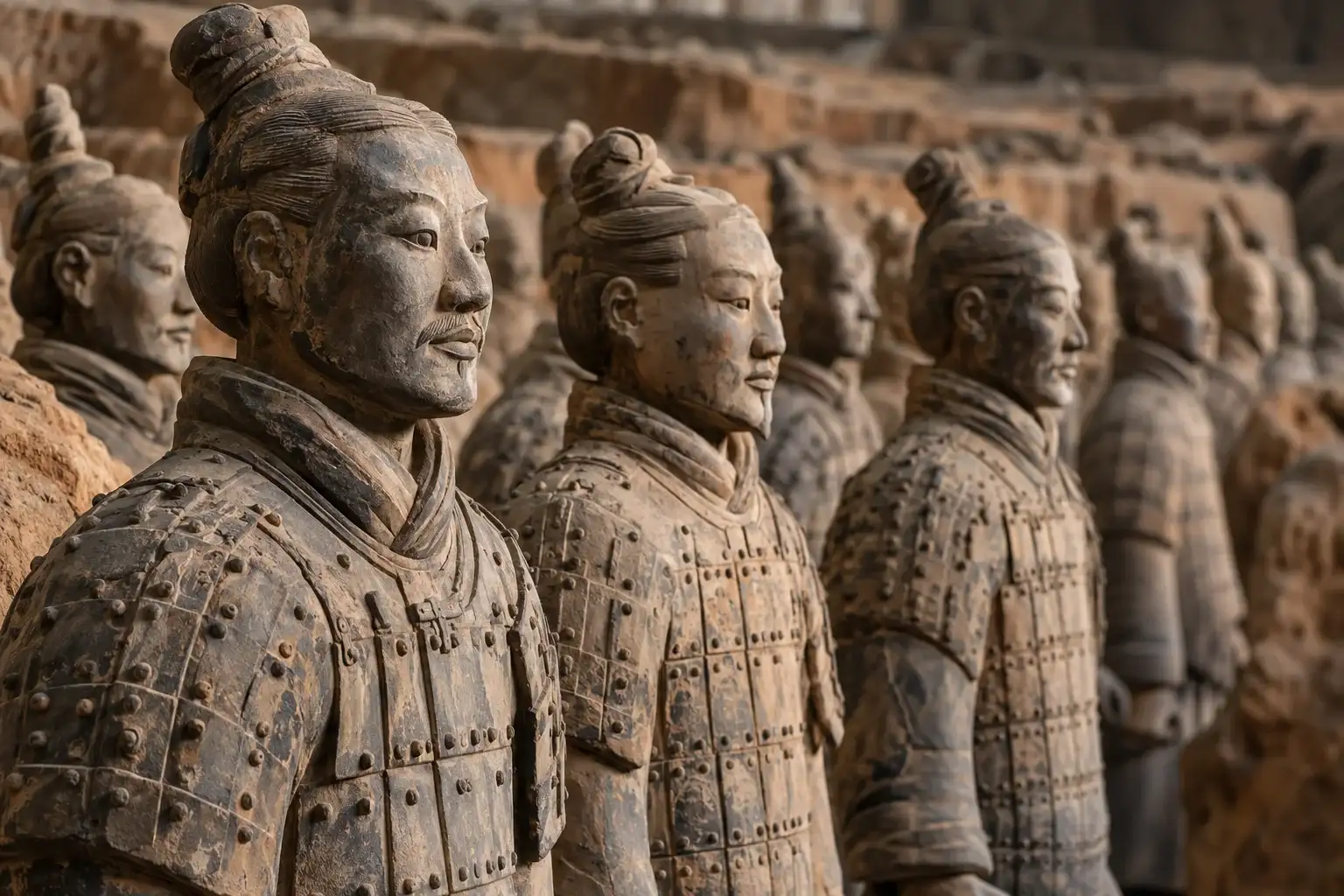
Xi’an is best approached through the question of how an ancient capital connected to a wider world. The Mausoleum of the First Qin Emperor and its terracotta army show the scale and ceremonial imagination of the Qin state. The city wall and interior streets reveal later urban structures, while Tang-era Chang’an occupies a central place in the story of Silk Road exchange. At the terracotta pits, look beyond the sheer number of figures to their formation, variations and the continuing work of archaeology and conservation. The UNESCO Silk Roads property includes the Chang’an–Tianshan corridor, but the Silk Roads were networks rather than a single uninterrupted road, and not every historic building in Xi’an belongs to one dynasty. The wall is most meaningful when experienced along one or two accessible gate sections, with the weather, walking distance and cycling rules considered. Food streets and lived-in neighborhoods have different rhythms. Choose reputable eateries, respect practices in halal food spaces and avoid treating residents as performers. The city also has substantial museum collections. One carefully chosen museum, paired with a related district, often gives more understanding than a hurried circuit of every gallery. The terracotta archaeological site is outside the center and deserves its own transfer and substantial visit. Separating archaeology, city form and food into distinct strands makes the journey more memorable.
Notice the formation and differences among figures as well as the conservation work that makes the site more than a large photo opportunity.
Walk an open gate section to sense the boundary between historic center and later city; check conditions before cycling.
Use museum interpretation to understand the Tang capital and the wider trade networks without flattening centuries into one route.
Start with a museum on a chosen historical period, then walk nearby streets with time to reflect on what you saw.

Try local noodles or other dishes at suitable establishments, asking about ingredients and observing local and halal dining etiquette.

Walk one open section to see the relation among gates, roads and urban blocks; there is no need to circle the entire wall in unsuitable heat.
Choose one museum theme, then walk an accessible wall segment and neighboring streets.
Travel to the terracotta site as the day’s main subject, with time for interpretation and a lighter return to the city.
Stay styles for inspiration. Actual hotels and availability require confirmation.

Accommodation imagery is for style reference. Confirm actual hotels, room types and availability with your itinerary.

Accommodation imagery is for style reference. Confirm actual hotels, room types and availability with your itinerary.
The terracotta site lies outside central Xi’an; include transfers, security checks and exhibition reading.
Archaeological sites, museums and the wall may change reservation and ID procedures; verify each official notice.
Sun in summer, cold in winter and long wall sections can be tiring. Allow water and rest breaks.
The site merits a dedicated visit: it takes time to reach from central Xi’an and to understand beyond the first pit.
Rules vary and may change. Choose your museum first, then check its own admission and identification notices.
Travel Diary
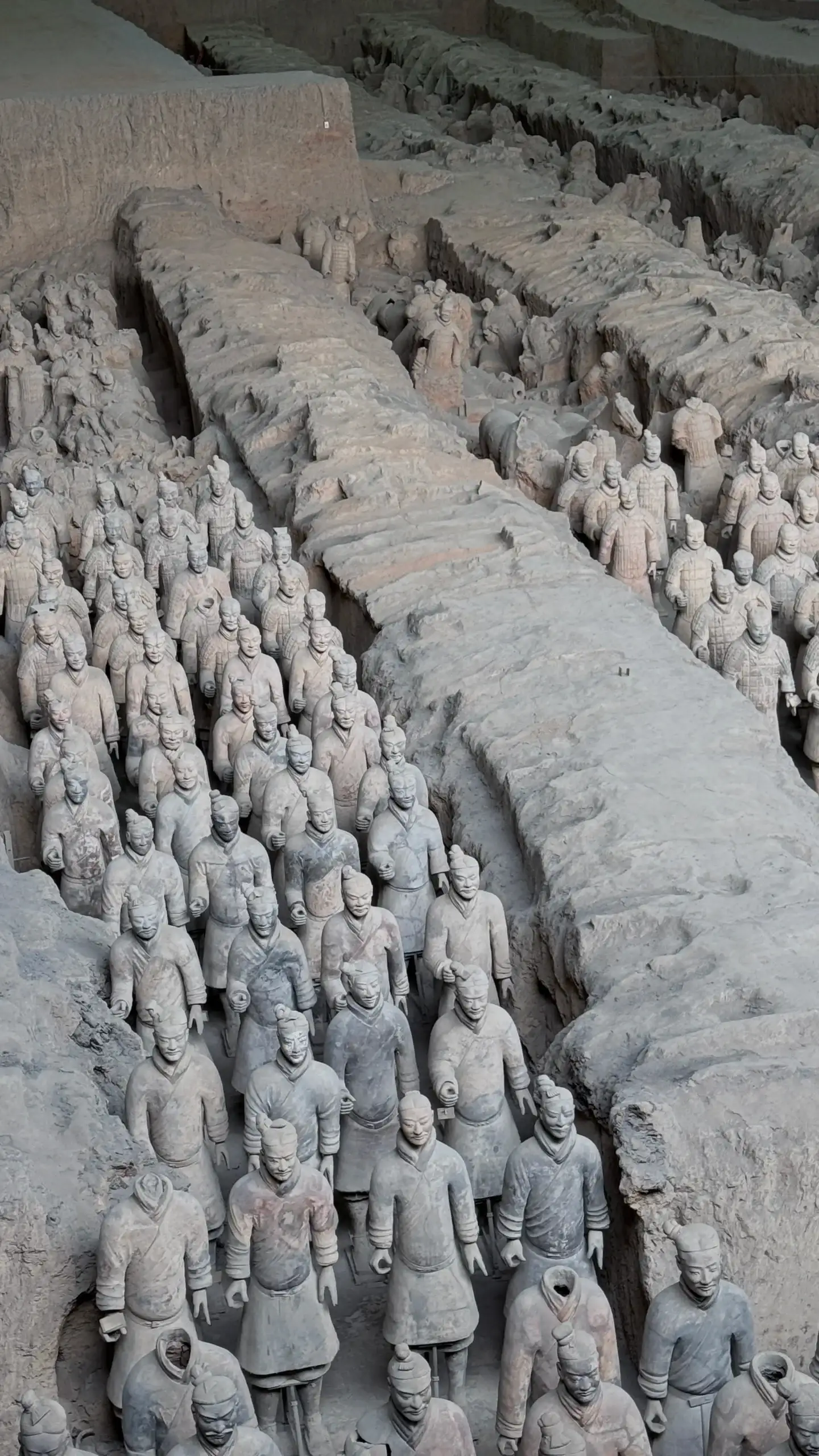
Walk along the three pits to identify the formations, military branches, and archaeological sites, and get up close to the armor plates and folds in the clothing of the kneeling archers. Incorporate the clay craftsmanship, the fragments, and the restoration efforts into a single visit, and set aside ample time for Lintong.
Read the journal →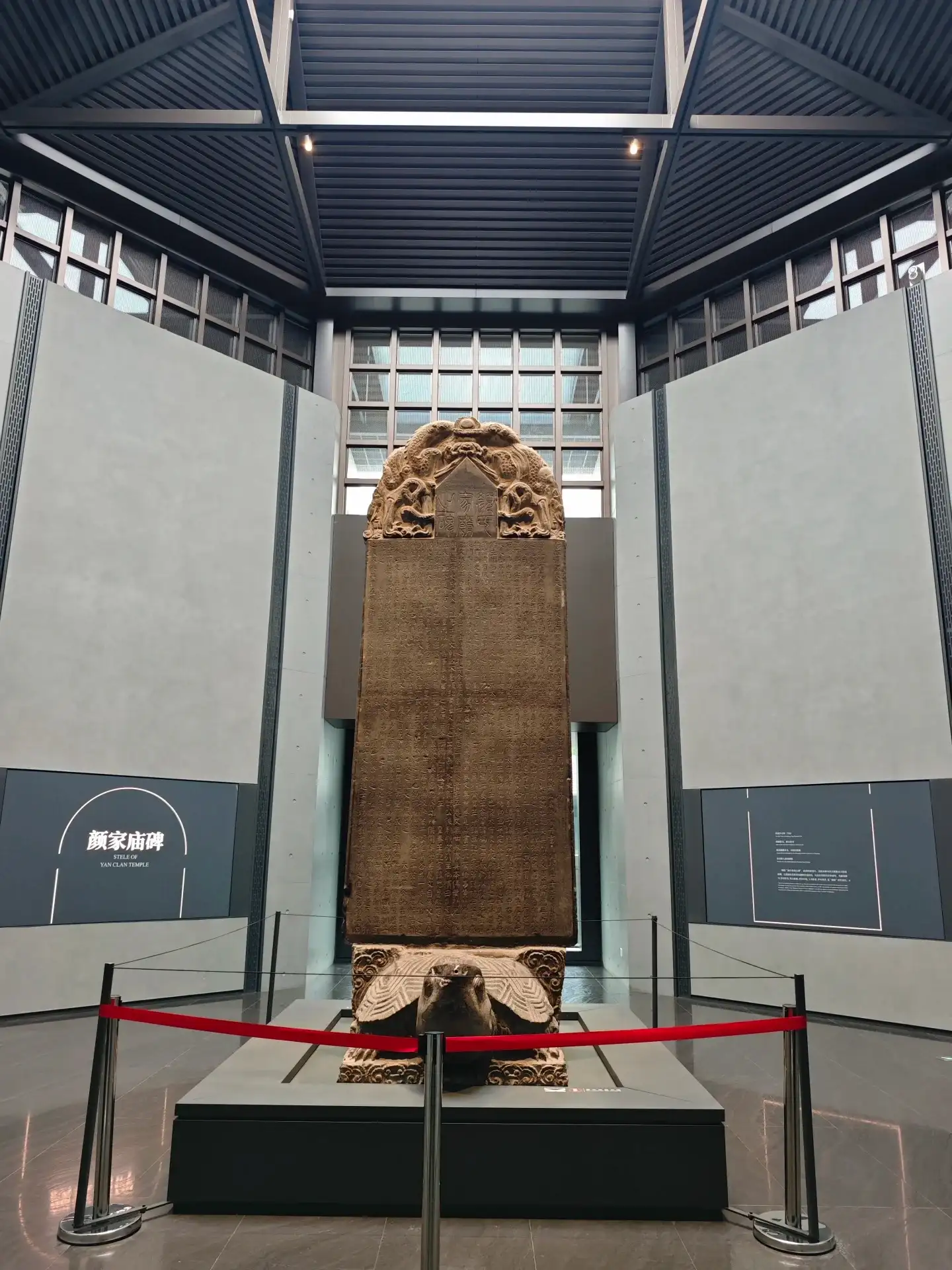
Travel Diary
Move from the stele’s overall outline to a single carved stroke, then shift your focus between the stone scriptures, the decorative elements, and the exhibition space. Even if you’re unfamiliar with Chinese characters, you can still discern the rich layers of Xi’an Beilin through the arrangement, materials, and lighting.
Read the journal →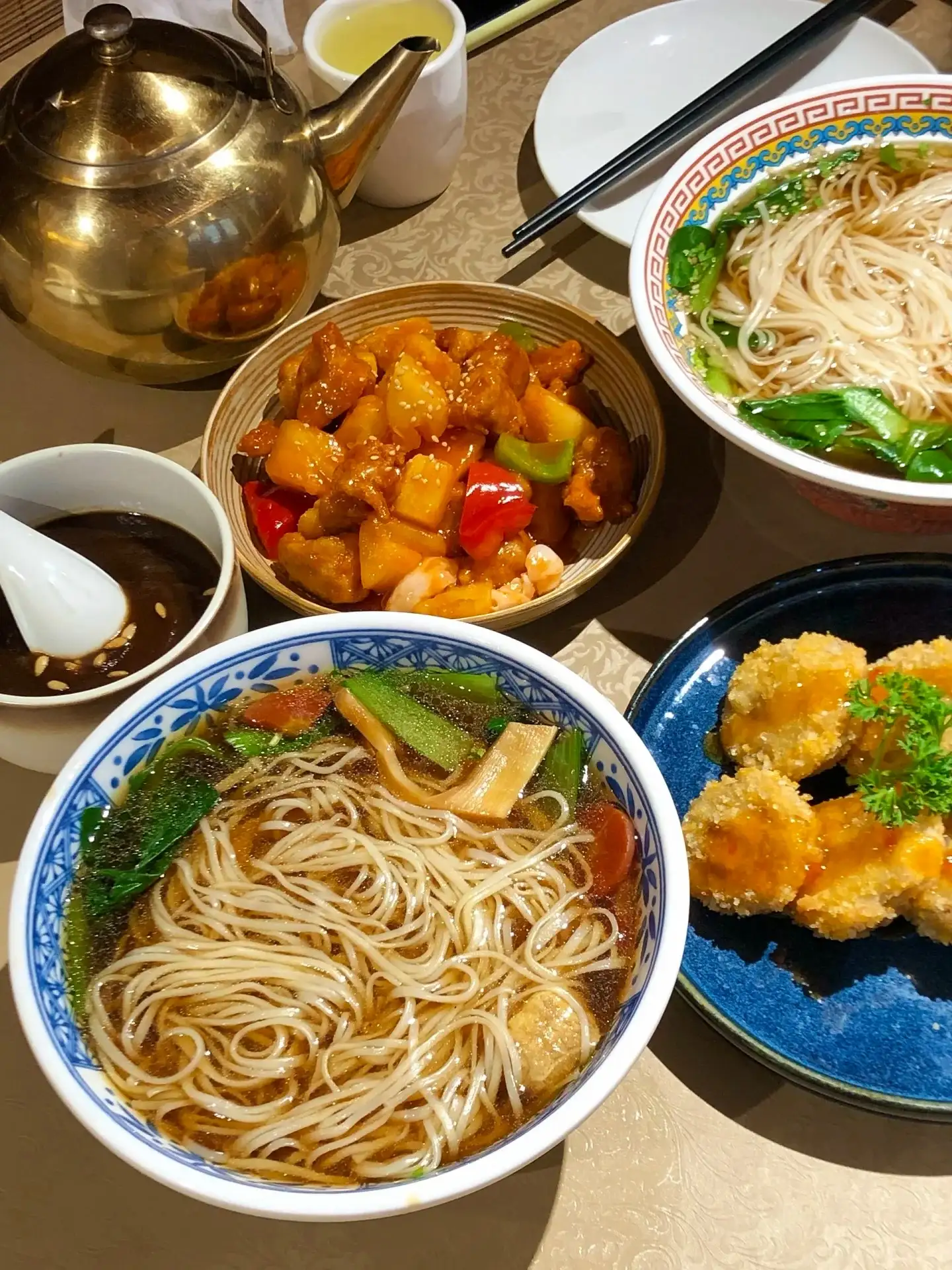
Travel Insights
From a genuine vegetarian dining journal to the history of scripture translation and daily life in monasteries—this journey integrates dietary needs, cultural exploration, and the etiquette of religious spaces into a single stay in Xi’an.
Read the journal →
Start with your interests, available time and the right combination of places.

Plan by region and interest, rather than choosing one season for the whole country.

Meet local life with curiosity, consideration and an open mind.
YOUR JOURNEY
Share the places and timing you have in mind, then discuss a suitable route with a guide or travel adviser. Services and availability need confirmation.
Contact a guide about this place
FROM INSPIRATION TO YOUR JOURNEY
A place you dream of. A journey shaped around you.
Plan my trip